Applying Work Lessons from the Field to Strengthen Team Collaboration

In today's fast-paced business environment, the lessons learned from fieldwork can significantly enhance team collaboration. Whether in construction, healthcare, or any industry requiring hands-on experience, applying these insights can lead to improved productivity, morale, and overall effectiveness. Understanding and integrating work lessons from the field not only fosters a collaborative culture but also aligns teams with shared goals and best practices. This article delves into how field experience shapes professional growth and offers actionable strategies to strengthen team collaboration.
The Importance of Field Experience in Professional Growth

Field experience is invaluable for personal and professional development. It provides practical knowledge that theoretical learning cannot replicate. When individuals engage directly in their work environment, they encounter real-life challenges that enhance their problem-solving skills and adaptability. This hands-on experience fosters a deeper understanding of industry nuances and builds resilience, which are critical traits for any team member.
Moreover, fieldwork cultivates interpersonal skills. Teams that regularly interact in real-world settings develop stronger communication and collaboration skills. Members learn to navigate differing opinions and work styles, which is essential for effective teamwork. By bringing these lessons back to the office, individuals can share insights that may lead to innovative solutions and improved processes.
Key Takeaways from Field Experience
Practical Problem-Solving: Fieldwork allows individuals to confront challenges directly, leading to innovative solutions.
Enhanced Communication: Regular interaction in real-world scenarios strengthens communication skills among team members.
Resilience Building: Handling unexpected situations in the field fosters adaptability and resilience in team dynamics.
How to Integrate Work Lessons from the Field into Team Collaboration
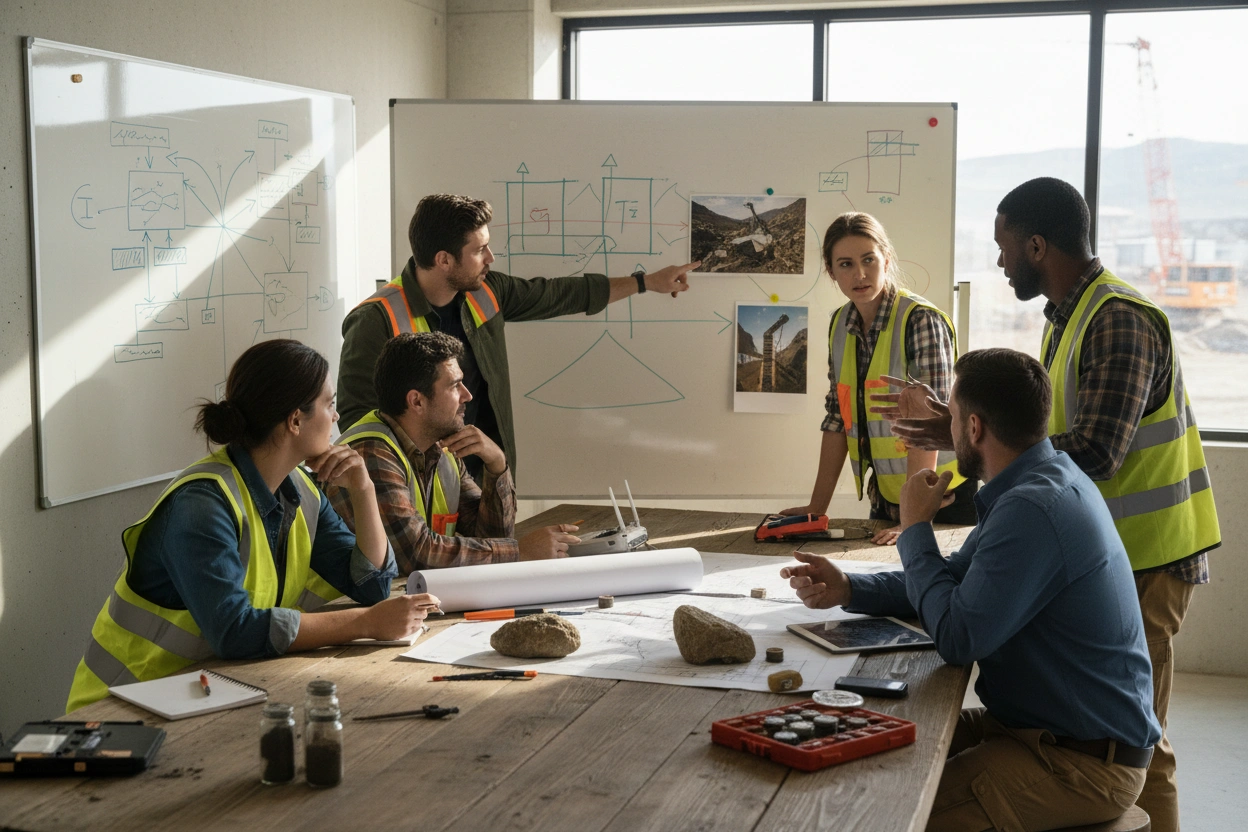
Integrating work lessons from the field into team collaboration requires a strategic approach. Organizations should create an environment where team members feel encouraged to share their experiences and insights. Here are several effective strategies to facilitate this integration:
1. Establish Regular Reflection Meetings
Scheduled reflection meetings provide a platform for team members to share their field experiences. These meetings should encourage open dialogue where individuals can discuss lessons learned, challenges faced, and successful strategies implemented.
Schedule bi-weekly or monthly reflection sessions.
Create a structured format that allows each team member to share their insights.
Use these sessions to brainstorm solutions to challenges highlighted during fieldwork.
2. Develop a Knowledge-Sharing Platform
A centralized knowledge-sharing platform can help document and disseminate fieldwork lessons. This platform can take the form of an internal wiki, shared drive, or collaboration tool where team members can contribute insights, case studies, and best practices.
Ensure the platform is easily accessible to all team members.
Encourage contributions by recognizing and rewarding those who share valuable insights.
Regularly update the content to reflect new learnings and eliminate outdated information.
3. Foster a Culture of Continuous Learning
Encouraging a culture of continuous learning within the organization can enhance team collaboration. This can be achieved through training programs, workshops, and mentorship opportunities that focus on applying field lessons to everyday tasks.
Implement training sessions that focus on specific fieldwork lessons relevant to the team's objectives.Pair experienced team members with newer employees to facilitate knowledge transfer.Promote attendance at industry conferences and workshops to broaden perspectives and bring back fresh ideas.
Fieldwork Best Practices for Team Collaboration
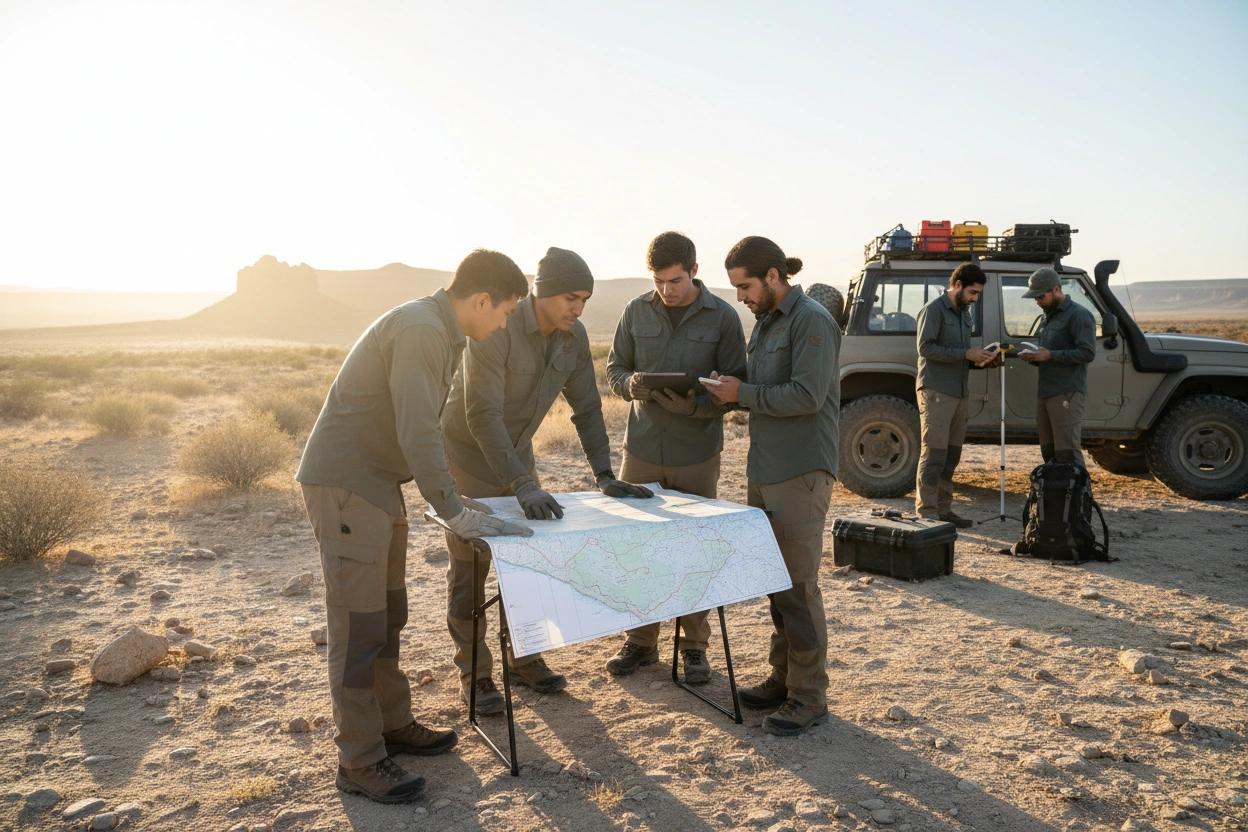
To maximize the benefits of fieldwork, it's essential to adopt certain best practices that align with collaborative efforts. These practices not only enhance individual performance but also contribute to overall team success.
1. Prioritize Safety and Well-Being
Safety should always be a top priority in any fieldwork setting. Teams that prioritize safety create a supportive environment that fosters collaboration. When team members feel safe, they are more likely to communicate openly and work together effectively.
Conduct regular safety training and drills.
Encourage team members to voice safety concerns without fear of repercussions.
Implement wellness programs that address both physical and mental health.
2. Embrace Diversity of Thought
Fieldwork often exposes team members to diverse perspectives and problem-solving approaches. Embracing this diversity can lead to more innovative solutions and improved collaboration.
Create diverse teams with varying skill sets and backgrounds.
Encourage brainstorming sessions where all ideas are valued, regardless of their source.
Acknowledge and celebrate the unique contributions of each team member.
3. Set Clear Goals and Expectations
Clear goals and expectations are essential for effective collaboration. When team members understand their roles and the team's objectives, they can work together more efficiently.
Establish SMART (Specific, Measurable, Achievable, Relevant, Time-bound) goals for the team.
Regularly review progress toward these goals and adjust strategies as necessary.
Foster accountability by encouraging team members to share their commitments and results.
Common Misconceptions About Fieldwork and Team Collaboration
Despite the clear advantages of integrating work lessons from the field into team collaboration, several misconceptions persist. Addressing these misunderstandings is crucial for fostering an environment conducive to collaboration.
Misconception 1: Field Experience is Only for Entry-Level Employees
Many believe that fieldwork is only relevant for entry-level employees or those in hands-on roles. However, field experience can benefit individuals at all levels, including management. Leaders who understand the challenges faced by their teams can make more informed decisions and foster a supportive culture.
Misconception 2: Sharing Lessons is Time-Consuming
Some team members may view sharing lessons from the field as an interruption to their workflow. However, sharing insights can streamline processes and prevent repeated mistakes, ultimately saving time in the long run.
Misconception 3: Collaboration is Only About Team Meetings
Collaboration extends beyond formal meetings. Informal interactions, mentorship, and peer-to-peer support are vital components of collaboration that can be cultivated through shared field experiences.
Actionable Steps to Enhance Team Collaboration Through Fieldwork
To effectively leverage work lessons from the field, organizations should implement the following actionable steps:
Encourage Open Communication: Create an environment where team members feel comfortable sharing their field experiences without judgment.
Utilize Technology: Implement tools that facilitate collaboration and information sharing, such as project management software and communication platforms.
Celebrate Team Successes: Recognize and celebrate achievements that stem from collaborative efforts based on fieldwork lessons. This reinforces the value of teamwork.
Solicit Feedback: Regularly solicit feedback from team members about how fieldwork experiences can be better integrated into collaborative efforts.
Lead by Example: Leaders should model collaborative behavior and share their own field experiences to encourage others to do the same.
The Intersection of Field Experience and Team Collaboration
Applying work lessons from the field is not merely an exercise in sharing experiences; it is a strategic approach to enhancing team collaboration. By understanding how fieldwork shapes professional growth and implementing best practices, organizations can create a culture that values collaboration and continuous improvement.
At Bigfoot Staffing, we recognize the importance of these lessons and offer tailored solutions to help teams thrive. By leveraging our expertise, teams can harness the power of field experiences to foster collaboration and drive success.
If you’re ready to enhance your team’s collaboration through the application of work lessons from the field, contact Bigfoot Staffing today. Our dedicated professionals are here to help you integrate these valuable insights into your organizational culture.


Comments