Boost Professional Growth with Work Lessons from the Field
- Jeremy Nelson
- 5 days ago
- 6 min read

In today’s rapidly evolving job market, the importance of fieldwork cannot be overstated. Work lessons from the field provide invaluable insights that shape not only individual careers but also the dynamics of entire industries. Field experience is a unique teacher, offering practical knowledge that formal education often lacks. In this article, we will explore how hands-on experiences contribute to professional growth, delve into fieldwork best practices, and provide actionable insights for applying these lessons in various work environments.
How Field Experience Shapes Professional Growth

Field experience is not merely a supplementary aspect of career development; it is a cornerstone of professional growth. Engaging directly in the work environment allows individuals to develop a skill set that is often more relevant and immediately applicable than theoretical knowledge acquired in a classroom. Here are some key ways field experience contributes to professional growth:
Practical Skill Development
One of the most significant benefits of field experience is the development of practical skills. When individuals work in real-world situations, they learn to navigate challenges that cannot be simulated in a classroom setting. This hands-on experience fosters problem-solving skills, adaptability, and technical proficiency that are crucial in today’s job market.
Real-Time Problem Solving:Fieldwork exposes individuals to unexpected challenges, requiring them to think on their feet. This ability to address issues as they arise is invaluable in any professional setting.
Technical Skills Acquisition:Many fields require specific technical skills that can only be acquired through hands-on experience. For instance, construction workers learn to use machinery and tools effectively, while healthcare professionals practice patient care techniques in clinical settings.
Interpersonal Skills Development:Working alongside colleagues and clients enhances communication skills, teamwork, and emotional intelligence. These interpersonal skills are essential for career advancement and workplace harmony.
Networking Opportunities
Fieldwork also serves as a platform for networking, which can significantly impact career trajectories. Building relationships in the workplace can lead to mentorship, collaboration, and job opportunities that would not be accessible otherwise.
Mentorship Development:Experienced professionals often take on the role of mentors, guiding newcomers through the intricacies of the field. This mentorship can provide insights into career paths and industry standards.
Collaboration Opportunities:Engaging in fieldwork allows for collaboration with professionals from various backgrounds. This exposure fosters a broader understanding of the industry and opens doors to innovative ideas and partnerships.
Job Referrals:Many job openings are filled through referrals. Building a network in the field increases the likelihood of being recommended for positions, giving individuals a competitive edge.
Fieldwork Best Practices
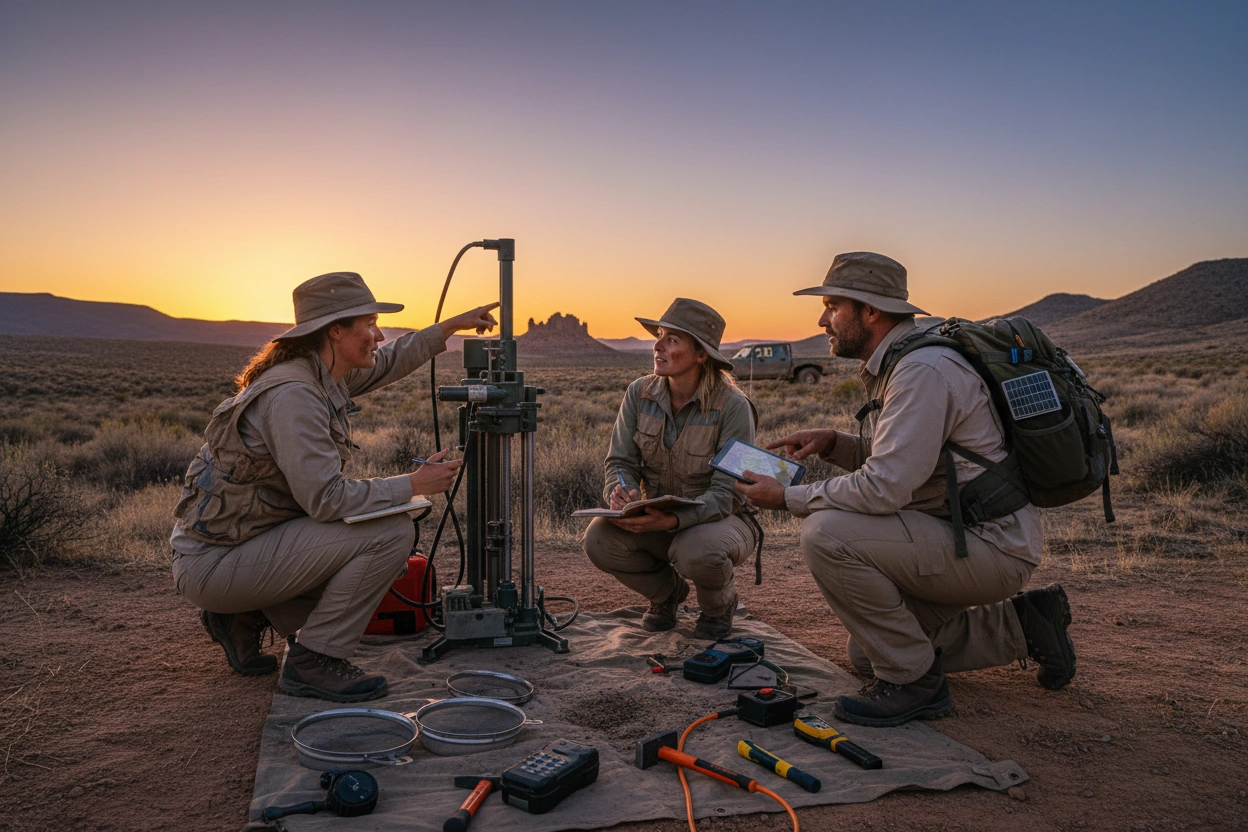
While field experience is vital for professional growth, it is equally important to approach it with a strategic mindset. Here are some best practices to maximize the benefits of fieldwork:
Setting Clear Goals
Before embarking on fieldwork, it is crucial to establish clear, achievable goals. This helps in focusing efforts and measuring progress effectively.
Identify Your Objectives:Determine what skills you wish to develop or what experiences you want to gain from your fieldwork.
Create a Timeline:Set a realistic timeline for achieving your goals, which will help keep you accountable.
Evaluate Progress:Regularly assess your progress towards your goals and adjust them as necessary.
Seeking Feedback
Feedback is an essential component of growth. Actively seeking input from supervisors and peers can provide insights into your strengths and areas for improvement.
Request Regular Check-Ins:Schedule regular meetings with supervisors to discuss your performance and gather constructive feedback.
Peer Reviews:Engage with colleagues to exchange feedback on each other's work. This collaborative approach can lead to deeper insights.
Self-Reflection:Take time to reflect on your experiences and identify lessons learned. This practice enhances self-awareness and promotes continuous improvement.
Embracing Challenges
Fieldwork will inevitably present challenges. Embracing these challenges rather than shying away from them can lead to significant personal and professional growth.
Adopt a Growth Mindset:View challenges as opportunities for learning rather than obstacles. This mindset fosters resilience and adaptability.
Take Calculated Risks:Don’t be afraid to step outside your comfort zone. Taking risks can lead to innovative solutions and personal breakthroughs.
Learn from Mistakes:Mistakes are part of the learning process. Analyze what went wrong, extract lessons, and apply them moving forward.
The Role of Continuous Learning in Fieldwork
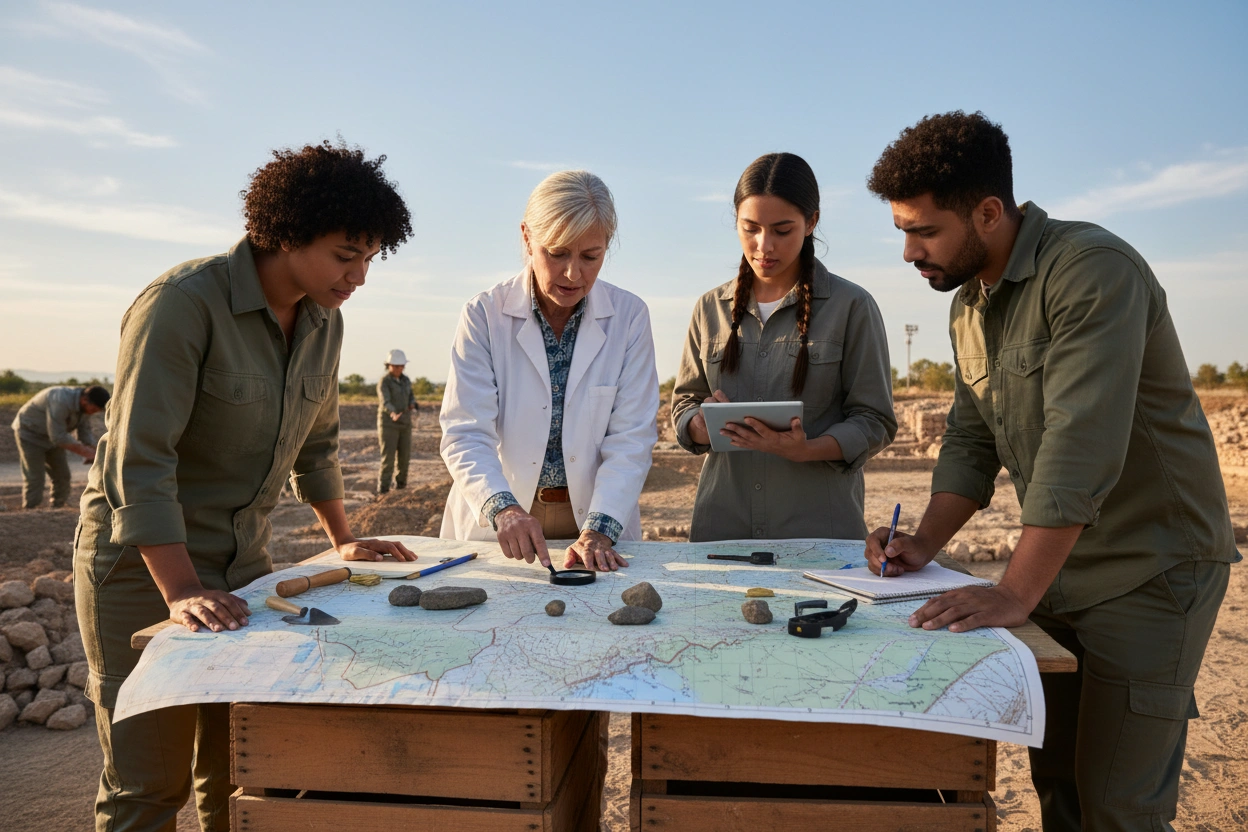
Continuous learning is essential in a world where industries evolve rapidly. Fieldwork provides opportunities for ongoing education through real-time experiences and challenges.
Staying Updated with Industry Trends
Being aware of current trends is crucial for maintaining relevance in any field. Fieldwork often provides insights into the latest industry developments that may not be covered in traditional educational settings.
Attend Workshops and Seminars:Participate in industry-related events to stay updated on new practices and technologies.
Engage in Professional Communities:Join professional organizations related to your field to network and share knowledge with peers.
Utilize Online Resources:Leverage online platforms and courses to enhance your skills and knowledge base continuously.
Leveraging Technology for Learning
Incorporating technology into fieldwork can enhance learning and efficiency. Many industries are leveraging new tools to streamline processes and improve outcomes.
Utilize Mobile Applications:Many fields have specialized apps that can assist with project management, data collection, and communication.
Adopt Virtual Reality Training:Some industries are using VR for training purposes, allowing workers to experience scenarios in a controlled environment.
Embrace Data Analytics:Understanding how to interpret data can lead to better decision-making and improved performance in the field.
Common Misconceptions About Fieldwork
Despite its importance, there are several misconceptions surrounding fieldwork that can hinder professional growth. Addressing these myths can help individuals better appreciate the value of hands-on experience.
Myth 1: Fieldwork is Only for Entry-Level Positions
Many believe that fieldwork is only relevant for those just starting their careers. In reality, fieldwork is beneficial at all levels, including seasoned professionals looking to refresh their skills or gain new perspectives.
Myth 2: Field Experience is Not Necessary for Success
Another common misconception is that formal education alone guarantees success. While education is important, field experience provides practical knowledge that is essential for navigating the complexities of the workplace.
Myth 3: All Fieldwork is the Same
Not all fieldwork is created equal. Different fields have unique challenges and learning opportunities. Understanding the specific nuances of your industry can enhance the learning experience and foster growth.
Actionable Tips for Implementing Work Lessons from the Field
To effectively apply work lessons from the field, individuals can take several actionable steps:
Create a Fieldwork Journal:Document experiences, challenges faced, and lessons learned to reflect on progress and growth over time.
Participate in Cross-Functional Teams:Engage in projects that involve multiple disciplines to gain a broader perspective on your industry.
Mentor Others:Teaching others what you have learned reinforces your own knowledge and skills while fostering a supportive work environment.
Enhancing Your Career Path with Field Lessons
The lessons learned from field experiences are not just about immediate job performance; they have long-lasting implications for career trajectory. By applying insights gained from fieldwork, individuals can enhance their employability and open doors to advanced opportunities.
Building a Personal Brand
Field experiences can significantly contribute to building a personal brand. Demonstrating practical skills and knowledge can distinguish you from other candidates in a competitive job market.
Showcase Your Skills:Use platforms like LinkedIn to highlight your field experiences and skills acquired.
Network Strategically:Attend industry events to connect with professionals who can help elevate your career.
Share Your Insights:Write articles or create content that reflects your experiences and knowledge, establishing yourself as a thought leader in your field.
Pursuing Advanced Opportunities
Fieldwork can lead to advanced roles and responsibilities. By demonstrating expertise and a commitment to learning, individuals can position themselves for promotions and leadership roles.
Seek Leadership Roles:Express interest in leadership opportunities within your organization to gain valuable experience.
Pursue Further Education:Consider advanced certifications or degrees that complement your field experience and enhance your qualifications.
Stay Open to New Opportunities:Be proactive in seeking new challenges and roles that align with your career goals.
The Intersection of Practical Experience and Professional Development
Work lessons from the field are crucial for professional growth and development. Understanding the best practices of fieldwork and embracing continuous learning are essential for maximizing these experiences. As individuals engage with real-world challenges, they not only hone their skills but also build networks that can propel their careers forward.
At Bigfoot Staffing, we recognize the importance of field experience in shaping successful professionals. Our commitment to connecting talented individuals with meaningful opportunities allows us to support your professional journey. By leveraging the lessons learned from the field, you can enhance your skills and navigate your career path more effectively.
If you are ready to apply what you've learned about work lessons from the field and explore new opportunities, contact Bigfoot Staffing today. Together, we can help you take the next step in your professional growth journey.


Comments