Boost Your Industrial Career: Work Lessons from the Field That Matter
- Jeremy Nelson
- 5 days ago
- 5 min read

In the ever-evolving landscape of industrial careers, gaining practical experience is essential for professional development. Understanding the value of work lessons from the field can significantly enhance one's career trajectory. While academic qualifications provide a solid foundation, it is the hands-on experiences that truly shape skills, perspectives, and industry knowledge. This article delves into how field experience can foster professional growth and outlines key lessons learned from real-world applications.
How Field Experience Shapes Professional Growth
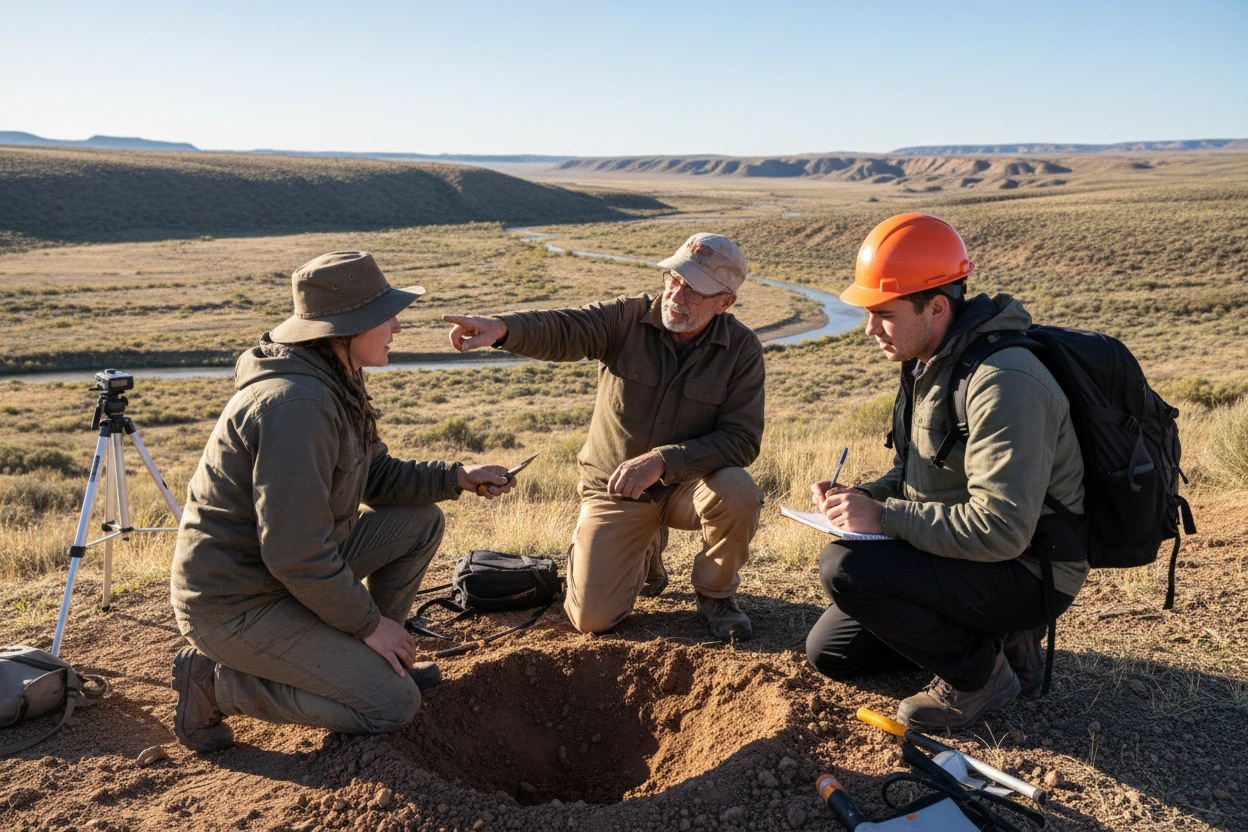
Field experience is often the crucible in which theoretical knowledge is tested against practical challenges. Engaging directly in the work environment allows professionals to acquire skills that are rarely taught in classrooms. The lessons learned from the field not only contribute to personal growth but also enhance overall workplace efficiency. Below are several critical aspects of how fieldwork influences professional development.
Practical Skills Acquisition
One of the most significant benefits of field experience is the acquisition of practical skills. These skills are often specific to the industry and can only be developed through hands-on work. For instance, a technician may learn how to troubleshoot a malfunctioning machine on-site, gaining insights that textbooks simply cannot provide.
Understanding equipment operation in real-time
Developing problem-solving capabilities under pressure
Enhancing teamwork and communication skills
Fieldwork best practices dictate that professionals embrace every opportunity to learn from their environment. This approach not only solidifies existing knowledge but also allows individuals to adapt to new technologies and processes swiftly.
Building Professional Relationships
Another critical lesson from the field is the importance of networking and relationship-building. Working closely with peers, supervisors, and clients fosters a collaborative environment that can lead to mentorship opportunities and professional growth.
Engaging with experienced professionals can provide valuable insights and guidance.
Building rapport with clients enhances customer service skills and can lead to repeat business.
Participating in team projects cultivates collaboration and conflict resolution skills.
Establishing a robust professional network is invaluable. It can open doors to new opportunities and provide a support system throughout one's career.
Essential Work Lessons from the Field

The field is rife with lessons that can empower professionals to excel in their careers. Below are key insights that individuals can glean from their experiences.
1. Embrace Adaptability
The industrial environment is often unpredictable, with changes in technology, regulations, and market demands. Learning to adapt is crucial for success.
Be open to new methods and technologies.
Develop a flexible mindset to navigate unexpected challenges.
Seek feedback regularly to improve and adjust accordingly.
Adaptability not only enhances individual performance but also contributes to the resilience of the team and organization as a whole.
2. Prioritize Safety
Safety is paramount in industrial settings. Learning to prioritize safety can save lives and reduce costs associated with workplace injuries.
Always adhere to safety protocols and procedures.
Participate in safety training and drills.
Encourage a culture of safety among colleagues.
Emphasizing safety not only protects individuals but also fosters a responsible workplace culture that values the well-being of all employees.
3. Continuous Learning and Development
The commitment to continuous learning is a vital lesson from the field. Industries are constantly evolving, and professionals must stay informed about the latest trends, technologies, and best practices.
Attend workshops and training sessions regularly.
Subscribe to industry publications for the latest insights.
Pursue certifications that enhance your skill set.
By prioritizing ongoing education, individuals can maintain relevance in their field and position themselves for advancement.
4. Understand the Bigger Picture
Field experience offers a unique perspective on how different roles within an organization contribute to its overall success. Understanding the bigger picture can enhance collaboration and improve decision-making.
Take time to learn about other departments and their functions.
Engage in cross-functional projects to gain broader insights.
Align personal goals with organizational objectives.
This holistic understanding can lead to better teamwork and a more cohesive work environment.
5. Learn from Mistakes
Mistakes are inevitable in any profession. Learning to analyze and grow from these experiences is essential for career development.
Reflect on errors to understand what went wrong.
Share lessons learned with colleagues to foster a culture of improvement.
View challenges as opportunities for growth rather than setbacks.
Embracing a mindset that values learning from mistakes can lead to greater resilience and improved performance.
Common Misconceptions About Field Experience

Despite the numerous benefits of field experience, several misconceptions persist that may hinder professional growth. Addressing these misconceptions can help individuals maximize their fieldwork opportunities.
Misconception 1: Fieldwork is Only for Entry-Level Positions
Many believe that fieldwork is only relevant for those at the beginning of their careers. In reality, professionals at all levels can benefit from hands-on experience. Mid-career professionals can gain new perspectives and reinvigorate their skills through fieldwork.
Misconception 2: Field Experience is Not as Valuable as Formal Education
While formal education is essential, it is often the practical application of knowledge that leads to true expertise. Field experience complements academic learning and provides a more comprehensive skill set.
Misconception 3: Learning Stops After Initial Training
Continuous learning is a hallmark of successful professionals. Field experience should be viewed as an ongoing educational opportunity, where every project or task can impart valuable lessons.
Actionable Tips for Maximizing Field Experience
To fully leverage the benefits of field experience, professionals should adopt specific strategies that enhance their learning and growth. Here are some actionable tips to consider:
Set Clear Goals
Establish specific, measurable goals for what you want to achieve during your field experience. This could include skills to acquire or knowledge to gain.
Seek Feedback
Regularly ask for feedback from supervisors and colleagues. Constructive criticism can help identify areas for improvement and reinforce strengths.
Document Your Experiences
Keep a detailed journal of your field experiences, noting challenges faced, lessons learned, and skills acquired. This documentation can be a valuable resource for future reference.
Engage with Peers
Collaborate with colleagues to share insights and strategies. Group discussions can lead to deeper understanding and new approaches to problem-solving.
Reflect on Your Experiences
Take time to reflect on your field experiences. Consider how they align with your career goals and what adjustments you might need to make to stay on track.
The Role of Bigfoot Staffing in Your Career Journey
As you navigate the complexities of your industrial career, remember that work lessons from the field can provide a roadmap for success. Understanding the value of field experience and applying these lessons can significantly enhance your career trajectory.
At Bigfoot Staffing, we recognize the importance of connecting skilled professionals with meaningful work opportunities that allow for growth and development. Our team is dedicated to helping you leverage your field experiences to advance your career in the industrial sector.
Contact Bigfoot Staffing today to explore how we can assist you in applying the valuable lessons learned from the field to achieve your career goals. By working together, we can ensure that you are well-equipped to thrive in the dynamic industrial landscape.


Comments