Field Experience Insights: How Work Lessons Guide Team Collaboration

In today's rapidly changing work environment, the ability to collaborate effectively is crucial for organizational success. Field experience offers invaluable insights that can significantly enhance team dynamics and productivity. Work lessons from the field not only shape professional growth but also foster a culture of collaboration that can lead to exceptional outcomes. This article delves into how field experiences inform teamwork and collaboration, providing practical strategies and best practices that can be implemented in various professional settings.
The Importance of Field Experience in Professional Development

Field experience serves as a foundational element in professional growth, providing firsthand exposure to real-world challenges and solutions. Engaging directly in fieldwork allows individuals to develop critical skills that are often overlooked in traditional training environments. By applying theoretical knowledge in practical situations, employees gain a deeper understanding of their roles and the impact of their contributions on team success.
One of the key benefits of field experience is the opportunity for individuals to learn from failures and successes alike. Mistakes made in the field often lead to profound insights that can inform future practices. For instance, a construction manager who encounters unexpected delays due to weather can develop contingency planning skills that not only benefit their current project but also improve their team's overall efficiency in future endeavors. This iterative learning process is essential for nurturing adaptive leaders who can thrive in dynamic environments.
Developing Critical Soft Skills
Field experiences play a pivotal role in honing essential soft skills, which are increasingly recognized as vital for effective collaboration. These skills include communication, problem-solving, and emotional intelligence. Engaging directly with clients, stakeholders, or team members on-site fosters an environment where individuals can practice and refine these skills in real-time.
Communication: Clear and effective communication is the cornerstone of successful collaboration. Fieldwork often requires immediate feedback and updates, teaching team members to articulate their thoughts and convey information succinctly.
Problem-solving: Encountering unexpected challenges in the field necessitates quick thinking and innovative solutions. This hands-on experience equips team members with the ability to approach problems with a creative mindset.
Emotional intelligence: Navigating interpersonal dynamics in field settings enhances individuals' awareness of their own emotions and those of others. This skill is crucial for fostering a collaborative team atmosphere, where empathy and understanding lead to stronger relationships.
Work Lessons from the Field: Key Insights for Team Collaboration
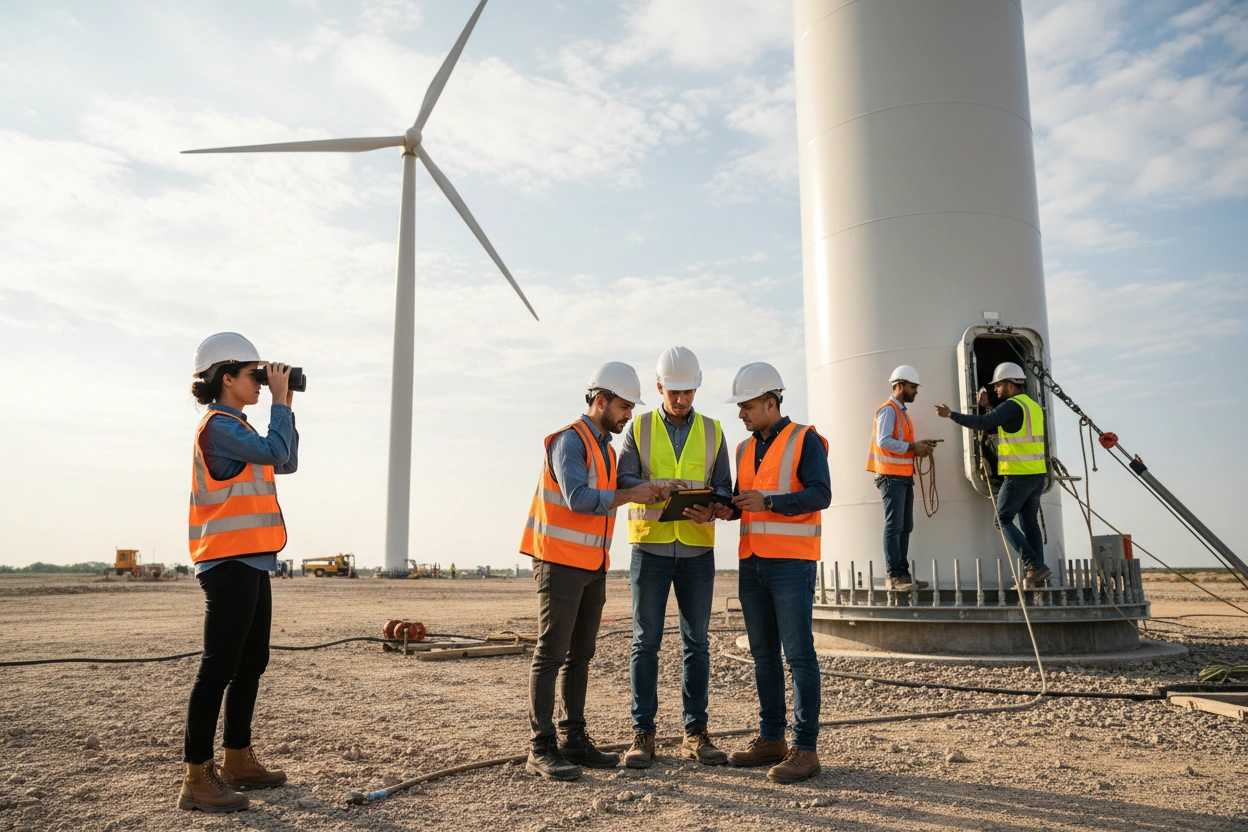
The lessons learned from field experiences can serve as powerful tools for enhancing team collaboration. By focusing on specific work lessons from the field, organizations can cultivate a culture of continuous improvement and adaptability. Below are essential insights drawn from fieldwork that can be applied to improve teamwork.
1. Embrace Diversity of Thought
Fieldwork often brings together individuals from diverse backgrounds and areas of expertise. This diversity can lead to innovative solutions and improved problem-solving capabilities. Encouraging team members to share their unique perspectives can foster creativity and lead to more effective collaboration.
Encourage open dialogue: Create an environment where team members feel comfortable sharing their ideas without fear of judgment. Regular brainstorming sessions can facilitate this exchange of thoughts.
Leverage team strengths: Understand the unique skills each team member brings to the table. Assign roles based on individual strengths to maximize the team's potential.
2. Foster a Culture of Accountability
Field experiences teach individuals the importance of accountability. When team members understand the consequences of their actions in real-time situations, they are more likely to take ownership of their responsibilities. This sense of accountability can significantly enhance team collaboration.
Set clear expectations: Clearly define roles and responsibilities to ensure everyone understands their contributions to the team. This clarity helps prevent misunderstandings and promotes accountability.
Recognize achievements: Celebrate individual and team accomplishments, reinforcing the value of accountability and encouraging continued commitment to team goals.
3. Implement Continuous Learning
Fieldwork is inherently dynamic, requiring teams to adapt and learn continuously. Organizations that prioritize continuous learning can create an environment where team members are encouraged to grow and improve collaboratively.
Conduct regular debriefs: After field projects, hold debriefing sessions to discuss what worked well and what could be improved. This practice allows teams to learn from their experiences collectively.
Invest in training opportunities: Provide ongoing professional development and training programs that align with field experiences. This investment not only enhances individual skills but also strengthens overall team performance.
4. Build Strong Relationships
The relationships formed in the field can significantly impact team collaboration. Trust and camaraderie are essential for fostering a collaborative environment where team members feel supported and valued.
Engage in team-building activities: Organize events or exercises that promote bonding among team members. These activities can help establish trust and improve collaboration.
Encourage mentorship: Pair experienced team members with newcomers to facilitate knowledge sharing and relationship building. This mentorship can enhance team cohesion and foster a culture of support.
Fieldwork Best Practices for Effective Collaboration
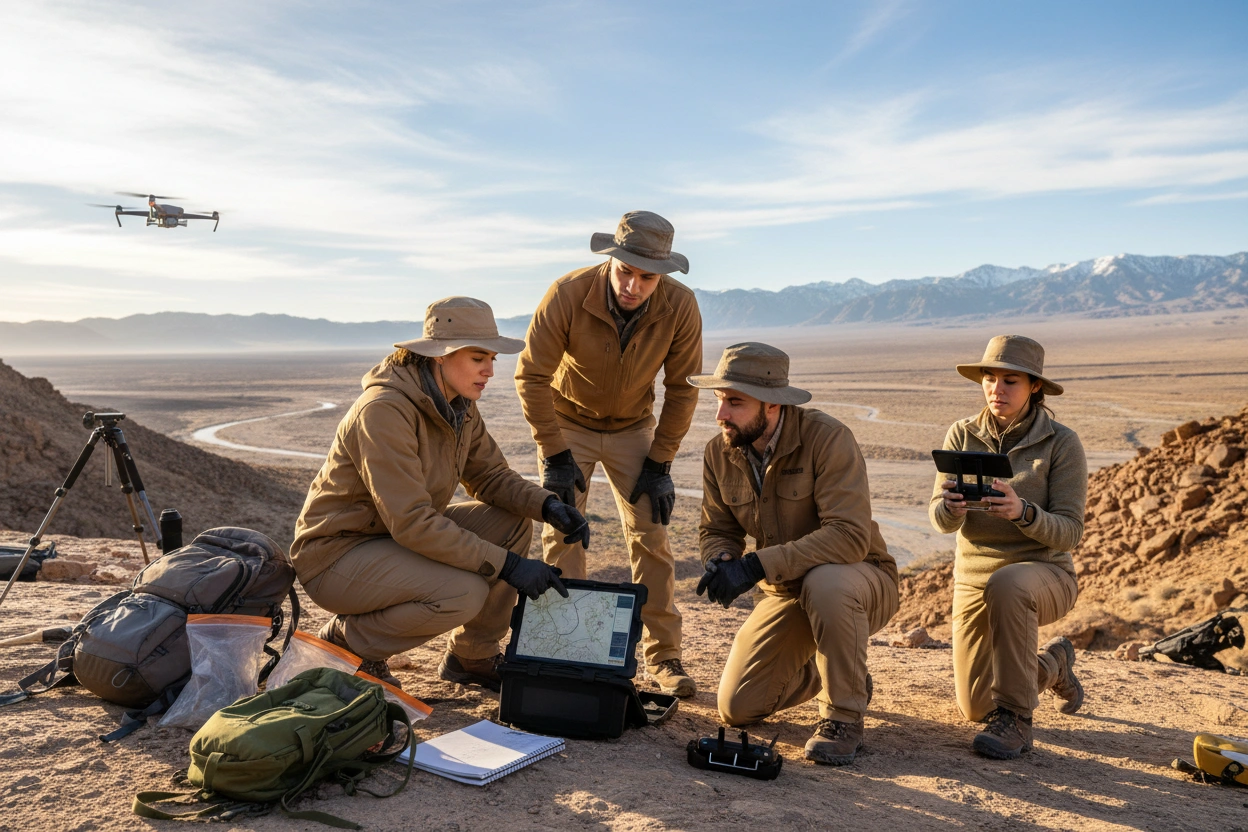
To fully harness the work lessons from the field, organizations must implement best practices that facilitate effective collaboration. Below are essential best practices derived from field experiences that can improve teamwork and collaboration.
1. Prioritize Communication
Effective communication is paramount in fieldwork and should be prioritized in all collaborative efforts. Establishing clear channels of communication can prevent misunderstandings and enhance team synergy.
Utilize collaborative tools: Invest in communication platforms that allow for real-time updates and information sharing. Tools like Slack or Microsoft Teams can facilitate seamless communication among team members.
Encourage feedback loops: Foster an environment where team members feel comfortable providing and receiving feedback. Regular check-ins can help address issues promptly and keep everyone aligned.
2. Promote Flexibility and Adaptability
Fieldwork often requires teams to pivot quickly in response to changing circumstances. Cultivating a culture of flexibility and adaptability can enhance collaboration and ensure teams remain resilient.
Encourage innovative thinking: Empower team members to propose creative solutions when faced with challenges. This encouragement fosters a sense of ownership and collaboration.
Be open to change: Embrace changes in project scope or direction as opportunities for growth rather than setbacks. This mindset can lead to innovative approaches and improved outcomes.
3. Leverage Technology
The integration of technology into fieldwork can streamline processes and enhance collaboration. Utilizing the right tools can significantly improve team efficiency and communication.
Implement project management software: Use tools like Asana or Trello to manage tasks, deadlines, and responsibilities. These platforms help keep everyone organized and informed.
Utilize data analytics: Leverage data-driven insights to make informed decisions and optimize team performance. Understanding metrics can lead to continuous improvement in collaborative efforts.
Common Misconceptions About Field Experience and Team Collaboration
Despite the numerous benefits of field experience, there are common misconceptions that can hinder effective collaboration. Addressing these misconceptions can help organizations better utilize the lessons learned from the field.
Misconception 1: Field Experience is Only Relevant for Specific Roles
Many believe that field experience is only valuable for certain roles within an organization. However, insights gained from fieldwork can benefit all team members, regardless of their position.
Broaden perspectives: Encourage all employees to engage in field experiences, as this exposure can enhance their understanding of the organization's overall operations and goals.
Foster cross-functional collaboration: Promote collaboration among different departments to share field experiences and insights. This approach can lead to innovative solutions and improved teamwork.
Misconception 2: Fieldwork is Solely About Technical Skills
While technical skills are essential, fieldwork also emphasizes the importance of soft skills, such as communication and teamwork. Organizations that focus solely on technical competencies may overlook valuable opportunities for collaboration.
Balance skill development: Ensure that both technical and soft skills are prioritized in training and development programs. This balance can enhance overall team performance.
Encourage interpersonal interactions: Create opportunities for team members to interact and collaborate outside of technical tasks. These interactions can strengthen relationships and foster a collaborative culture.
Cultivating a Collaborative Culture Through Field Experience
Organizations must actively cultivate a collaborative culture that embraces work lessons from the field. By prioritizing team collaboration, organizations can enhance productivity, employee satisfaction, and overall success.
Steps to Foster a Collaborative Culture
Communicate the vision: Clearly articulate the organization's commitment to collaboration and the value of field experiences in achieving this goal.
Lead by example: Leadership should model collaborative behaviors and practices, demonstrating the importance of teamwork and open communication.
Recognize and reward collaboration: Establish recognition programs that celebrate collaborative efforts and achievements, reinforcing the importance of teamwork in the organizational culture.
Leveraging Work Lessons from the Field for Organizational Success
The insights gained from field experiences are invaluable assets that can significantly impact team collaboration and overall organizational success. By understanding and applying work lessons from the field, organizations can cultivate a culture of collaboration that drives innovation and enhances performance.
The Role of Bigfoot Staffing in Enhancing Team Collaboration
Bigfoot Staffing understands the importance of leveraging field experiences to foster effective collaboration within teams. By providing staffing solutions tailored to the unique needs of organizations, Bigfoot Staffing ensures that teams are equipped with individuals who not only possess the necessary skills but also bring valuable field insights to the table.
Incorporating work lessons from the field into team dynamics can lead to improved collaboration, increased productivity, and a stronger organizational culture. Bigfoot Staffing can assist organizations in finding the right talent that aligns with their collaborative goals and values.
To explore how Bigfoot Staffing can help your organization implement the lessons learned from field experiences, contact Bigfoot Staffing today. By leveraging the insights gained from fieldwork, your team can thrive in a culture of collaboration, driving success and innovation in your organization.


Comments