Field Insights: How Work Lessons from the Field Improve Team Collaboration

In the rapidly evolving landscape of professional environments, understanding the nuances of team dynamics is critical for success. Work lessons from the field offer a wealth of knowledge that can significantly enhance collaboration among team members. By drawing insights from real-world experiences, organizations can foster a culture of continuous improvement, adaptability, and effective communication. This article delves into how field experience shapes professional growth, the importance of fieldwork best practices, and actionable strategies for leveraging these lessons to improve teamwork.
The Importance of Field Experience in Professional Growth

Field experience serves as a cornerstone for developing essential skills that enhance professional growth. It provides individuals with practical knowledge that cannot be replicated in a classroom setting. Engaging directly in various work scenarios equips professionals with the ability to solve problems, make informed decisions, and manage resources effectively.
Real-World Application of Theoretical Knowledge
Field experience allows professionals to apply theoretical concepts in real-world situations. This practical application reinforces learning and helps individuals understand the complexities of their roles. For instance, a project manager who has worked on-site will better grasp the challenges of resource allocation and team dynamics than one who has only studied project management in theory.
Understanding client needs through direct interaction
Adapting strategies based on real-time feedback
Developing a hands-on approach to problem-solving
Building Soft Skills Through Direct Interaction
In addition to technical skills, fieldwork enhances soft skills such as communication, teamwork, and leadership. Professionals who have spent time in the field often develop a heightened sense of empathy and adaptability. They learn to navigate interpersonal relationships effectively, which is crucial for fostering a collaborative environment.
Enhanced communication skills through regular team interactions
Improved conflict resolution abilities gained from on-site challenges
Greater emotional intelligence cultivated through diverse experiences
Fieldwork Best Practices for Enhancing Team Collaboration
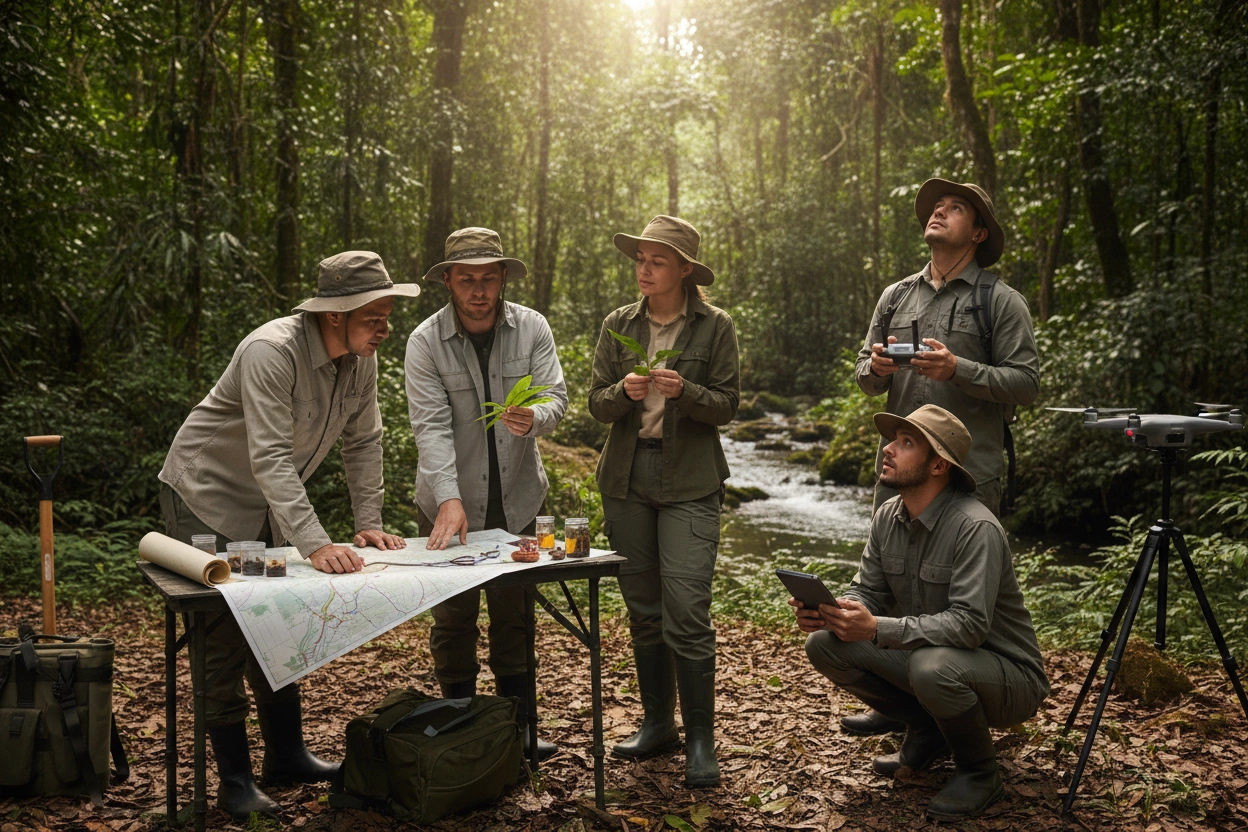
Implementing fieldwork best practices can significantly improve team collaboration. These practices not only streamline processes but also create an inclusive atmosphere where every team member feels valued and heard. Here are some effective strategies to consider.
Establishing Clear Communication Channels
Effective communication is the backbone of any collaborative effort. Establishing clear channels for communication ensures that all team members are on the same page. This can be achieved through:
Regular check-ins and meetings to discuss progress and challenges
Utilizing collaboration tools that facilitate real-time updates and feedback
Creating a shared platform for resources and documentation
Encouraging a Culture of Feedback
A feedback-rich environment fosters growth and improvement. Encouraging team members to share their insights and suggestions can lead to innovative solutions and enhanced team dynamics. To implement this effectively:
Schedule regular feedback sessions to review team performance
Create anonymous channels for team members to provide honest feedback
Recognize and reward contributions that lead to collaborative success
Implementing Cross-Training Opportunities
Cross-training allows team members to gain insights into each other's roles, leading to a more cohesive team. By understanding the responsibilities and challenges faced by their colleagues, team members can collaborate more effectively. Benefits include:
Increased empathy and understanding among team members
Enhanced problem-solving capabilities as individuals bring diverse perspectives
Greater flexibility in resource allocation during peak times
Common Misconceptions About Work Lessons from the Field
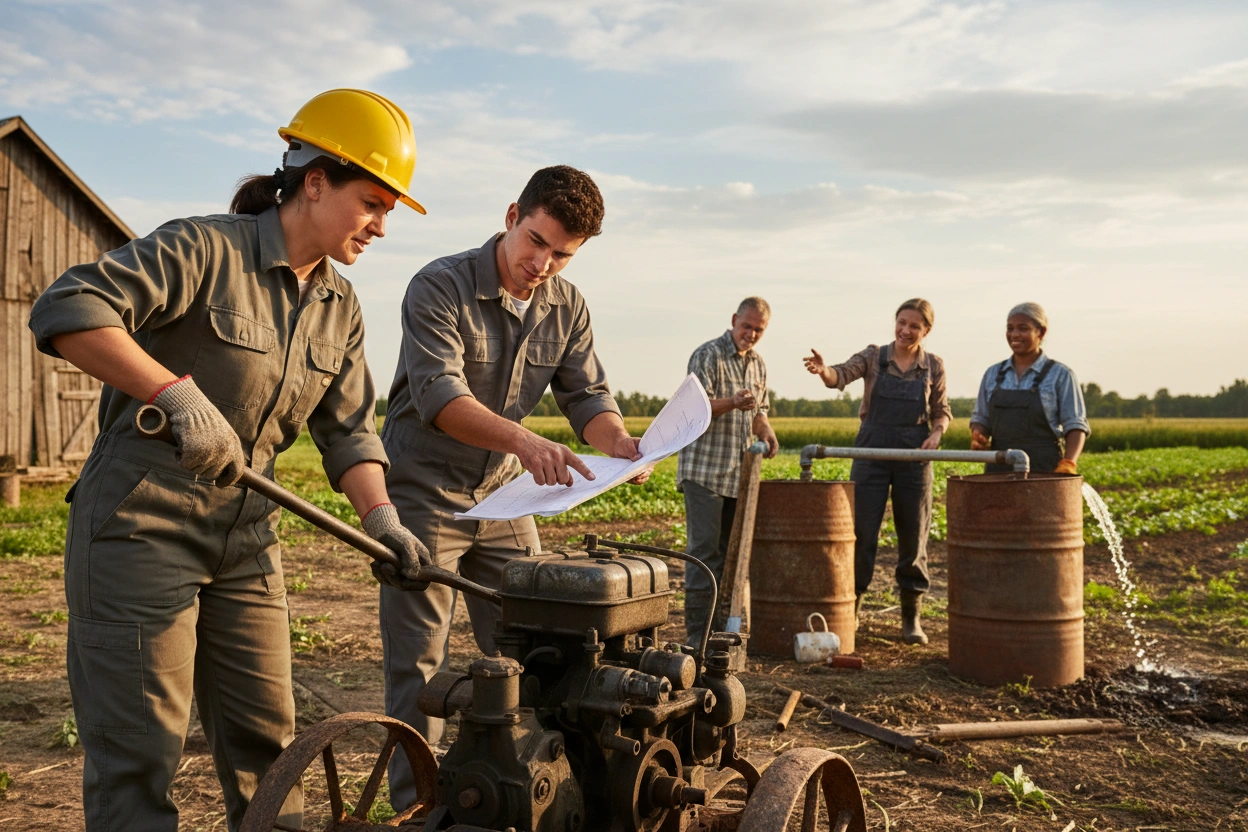
Despite the clear benefits of learning from field experiences, several misconceptions persist. Addressing these misconceptions is essential for organizations looking to maximize the value of their fieldwork insights.
Fieldwork is Only for Entry-Level Employees
One prevalent misconception is that fieldwork is primarily beneficial for entry-level employees. In reality, professionals at all levels can gain valuable insights from hands-on experiences. Senior leaders, in particular, can benefit from understanding the challenges faced by their teams on the ground. This understanding enables them to make informed strategic decisions that align with the workforce's realities.
Learning Stops After Initial Training
Another common misconception is that learning is a one-time event that occurs during initial training. Continuous learning is vital for adapting to changing environments. Field experiences should be viewed as ongoing opportunities for professional development, where lessons learned can continuously inform and enhance team collaboration.
The Focus is Solely on Technical Skills
While technical skills are undeniably important, field experiences also emphasize the development of soft skills. Effective collaboration requires emotional intelligence, communication, and leadership abilities, which can be honed through direct interaction with team members in various settings.
Actionable Insights for Leveraging Work Lessons from the Field
To truly capitalize on the lessons learned from field experiences, organizations must implement actionable strategies that integrate these insights into their collaborative practices. Here are some key approaches to consider.
Foster an Open Learning Environment
Creating a culture that values continuous learning encourages team members to share their field experiences and insights. This can be achieved through:
Organizing workshops where team members share lessons learned
Encouraging storytelling sessions that highlight successful strategies
Providing resources for ongoing professional development
Utilize Technology to Enhance Collaboration
Leveraging technology can streamline communication and collaboration efforts. Tools such as project management software, instant messaging platforms, and video conferencing can facilitate efficient teamwork. Implementing these technologies can:
Improve accessibility to information and resources
Enhance real-time collaboration among team members
Support remote work arrangements without sacrificing productivity
Measure and Evaluate Team Performance
Regularly assessing team performance against established benchmarks allows organizations to identify areas for improvement. This evaluation process should include:
Setting clear objectives and key performance indicators (KPIs) for teams
Conducting post-project reviews to analyze successes and challenges
Utilizing feedback to inform future strategies and practices
The Role of Leadership in Applying Work Lessons from the Field
Leadership plays a crucial role in fostering a culture that values work lessons from the field. Leaders must model the behaviors they wish to see in their teams and actively promote collaboration and continuous learning.
Leading by Example
Leaders should demonstrate their commitment to learning from field experiences by sharing their insights and lessons learned. This can inspire team members to adopt a similar mindset and encourage open dialogue about challenges and successes.
Supporting Professional Development
Investing in professional development opportunities for team members reinforces the importance of continuous learning. Leaders can support this by:
Providing access to training programs focused on fieldwork best practices
Encouraging participation in industry conferences and workshops
Offering mentorship programs that connect less experienced employees with seasoned professionals
Cultivating a Collaborative Culture
A collaborative culture is essential for applying work lessons from the field effectively. This culture should prioritize inclusivity, open communication, and mutual respect among team members.
Encouraging Diversity of Thought
Diverse teams bring unique perspectives that can lead to innovative solutions. Encouraging team members from different backgrounds to contribute their ideas fosters a culture of inclusivity. This can be achieved through:
Establishing diverse hiring practices that prioritize varied experiences
Creating forums for team members to share their insights and suggestions
Recognizing and celebrating the contributions of all team members
Building Trust Within the Team
Trust is the foundation of effective collaboration. Team members must feel comfortable sharing their thoughts and taking risks. Leaders can build trust by:
Being transparent about decision-making processes
Acknowledging and addressing conflicts promptly
Encouraging team bonding activities to strengthen relationships
Harnessing Field Insights for Lasting Change
The insights gained from work lessons in the field can lead to transformative changes within organizations. By fostering a culture of collaboration, continuous learning, and open communication, organizations can create an environment where team members feel empowered to contribute their best.
Implementing Change through Actionable Strategies
To harness the full potential of field insights, organizations must implement actionable strategies that promote collaboration. This includes:
Regularly revisiting and updating fieldwork best practices
Encouraging team members to share their experiences and insights
Creating a feedback loop that informs ongoing improvements
The Future of Work Lessons from the Field
As the nature of work continues to evolve, the importance of applying lessons learned from the field will only increase. Organizations that prioritize these insights will be better positioned to navigate challenges and foster a culture of collaboration that drives success.
The Impact of Work Lessons from the Field on Team Collaboration
Understanding how work lessons from the field contribute to team collaboration is essential for organizations aiming for success. By integrating these lessons into daily practices, teams can enhance their dynamics, improve communication, and drive productivity. Bigfoot Staffing recognizes the importance of these insights and is committed to helping organizations implement effective strategies to harness field knowledge for improved team collaboration.
As you reflect on the work lessons from the field discussed in this article, consider how Bigfoot Staffing can assist your organization in applying these insights. By fostering an environment of collaboration and continuous learning, you can empower your teams to excel.
Visit Bigfoot Staffing to explore how we can support your workforce in leveraging fieldwork best practices for enhanced collaboration and success.



Comments