Fieldwork Insights: How Work Lessons Shape Industrial Job Success

Fieldwork serves as a crucial foundation for professionals in various industrial sectors, providing them with hands-on experience that translates into valuable work lessons. Understanding these lessons from the field can significantly shape one's career trajectory, enhancing not only individual skills but also contributing to overall organizational success. This article delves into how field experience informs professional growth, highlights fieldwork best practices, and offers actionable insights for both current and aspiring professionals in the industrial sector.
The Importance of Field Experience in Professional Growth

Field experience is often the bridge between theoretical knowledge and practical application. It allows individuals to engage directly with the challenges and intricacies of their industry, fostering a deeper understanding that cannot be replicated in a classroom setting. This experiential learning is vital for developing critical skills, including problem-solving, teamwork, and adaptability.
Real-World Application of Theoretical Knowledge
One of the primary benefits of fieldwork is the opportunity it provides to apply theoretical concepts learned in educational settings. For instance, a recent engineering graduate may have a solid understanding of design principles but will truly grasp their application only after working on live projects. This real-world exposure helps to solidify learning and enhances retention. Additionally, professionals often encounter unexpected challenges that require innovative thinking, further reinforcing their problem-solving capabilities.
Development of Soft Skills
In addition to technical expertise, fieldwork is instrumental in cultivating soft skills that are crucial for career success. Communication, leadership, and interpersonal skills are often honed in the field through collaboration with colleagues and clients. For example, a construction manager must effectively communicate with diverse teams to ensure project timelines are met while maintaining safety standards. These soft skills not only enhance individual performance but also contribute to team cohesion and organizational success.
Work Lessons from the Field: Key Takeaways

The lessons learned in the field are invaluable for personal and professional development. Here are some essential work lessons that emerge from field experience:
Adaptability is KeyFieldwork often presents unforeseen challenges that require quick thinking and flexibility. Professionals learn to adjust their strategies and approaches to meet evolving demands.
Collaboration Enhances OutcomesSuccessful projects are rarely the result of individual efforts. Fieldwork emphasizes the importance of teamwork and collaboration, highlighting how shared expertise can lead to better results.
Attention to Detail MattersIn industries such as construction or manufacturing, overlooking small details can lead to significant setbacks. Field experience teaches professionals to prioritize thoroughness and diligence.
Continuous Learning is EssentialThe industrial landscape is constantly evolving, and professionals must stay abreast of new technologies and practices. Fieldwork encourages a mindset of lifelong learning and adaptation.
Safety is Non-NegotiableFieldwork reinforces the importance of safety protocols and practices. Understanding the risks involved in various tasks helps professionals prioritize safety in all operations.
Common Misconceptions about Fieldwork Experience
Despite the clear benefits, several misconceptions about fieldwork persist. One common belief is that field experience is only valuable for entry-level positions. In reality, all levels of professionals can benefit from field exposure. Senior managers, for example, can gain fresh insights into operational challenges by spending time on the ground, fostering a deeper connection with their teams and enhancing decision-making.
Another misconception is that fieldwork is purely physical. While many industrial roles involve manual labor, fieldwork also encompasses strategic planning, problem-solving, and customer interaction. This multifaceted nature of fieldwork enriches the learning experience and broadens skill sets.
Fieldwork Best Practices for Maximizing Learning
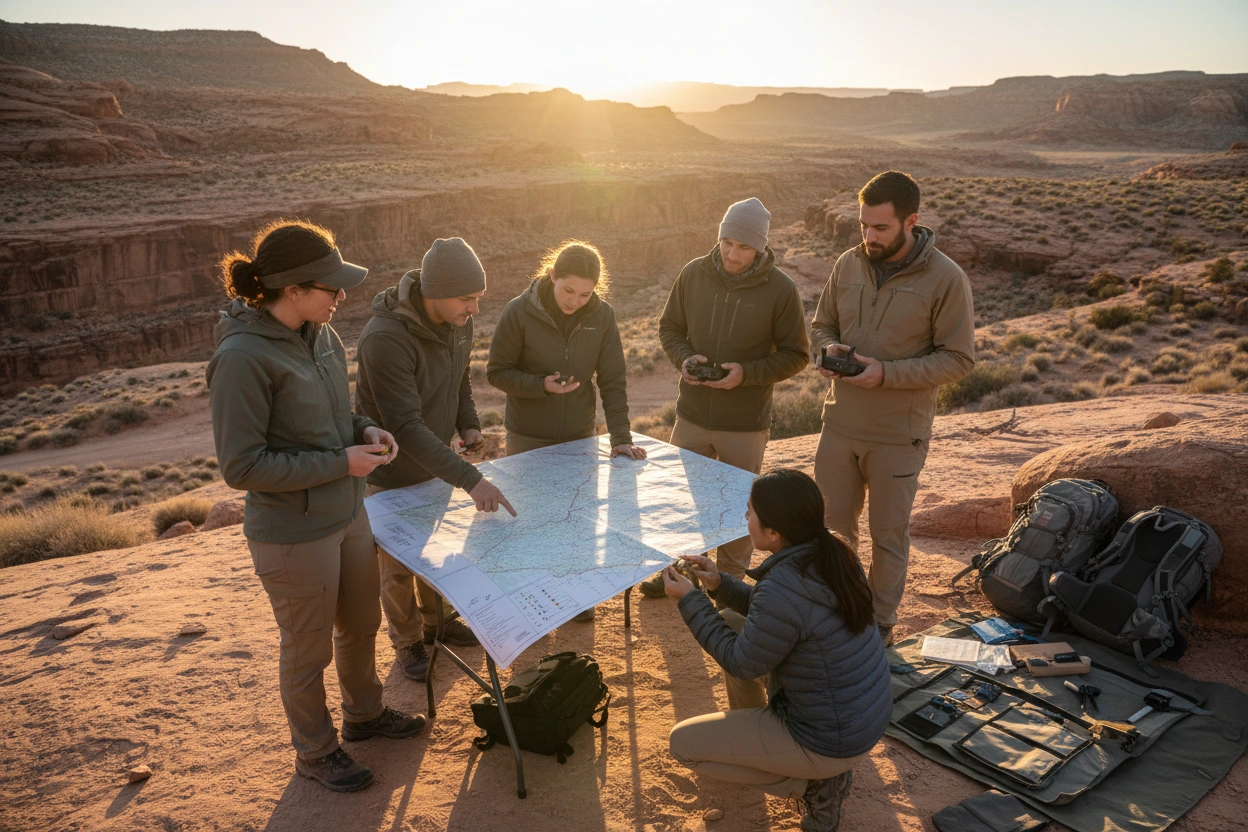
To fully harness the benefits of field experience, professionals should adopt certain best practices. Here are some fieldwork best practices to consider:
Embrace a Growth Mindset
A growth mindset encourages individuals to view challenges as opportunities for development. Professionals should approach field experiences with curiosity and a willingness to learn. This attitude not only enhances personal growth but also positively impacts team dynamics.
Seek Feedback Actively
Feedback is a crucial component of learning. Professionals should actively seek constructive criticism from peers and supervisors to identify areas for improvement. This proactive approach to feedback can accelerate skill development and foster a culture of continuous improvement within teams.
Document Experiences
Keeping a journal or log of field experiences can provide valuable insights over time. Professionals should document challenges faced, solutions implemented, and lessons learned. This practice not only aids personal reflection but also serves as a resource for future reference.
Network with Industry Peers
Building relationships with colleagues and industry peers can enhance learning opportunities. Networking allows professionals to share experiences, insights, and best practices, contributing to a broader understanding of industry trends and challenges.
Prioritize Safety Training
Safety should always be a top priority in fieldwork. Professionals should engage in regular safety training sessions and stay updated on safety protocols. This commitment to safety not only protects individuals but also fosters a culture of responsibility within organizations.
The Role of Mentorship in Field Learning
Mentorship plays a significant role in leveraging work lessons from the field. Experienced professionals can provide guidance, share insights, and help navigate challenges that arise during fieldwork. Here’s how mentorship can enhance field learning:
Knowledge Transfer
Mentors offer a wealth of knowledge gained from their own experiences. They can provide context to challenges faced in the field, offering practical solutions and strategies that may not be apparent to less experienced professionals.
Professional Networking
Mentorship often opens doors to networking opportunities. Mentors can introduce their mentees to industry contacts, enhancing professional visibility and providing additional resources for career advancement.
Emotional Support
Fieldwork can be demanding and stressful. Having a mentor provides emotional support and encouragement, helping professionals to navigate the ups and downs of their careers with resilience and confidence.
Skill Development
Mentors can identify specific skills that their mentees need to develop and provide targeted guidance on how to achieve those goals. This focused approach to skill development can significantly enhance a professional’s capabilities.
Creating a Culture of Continuous Improvement
Organizations that foster a culture of continuous improvement benefit from enhanced productivity and employee satisfaction. Here are several strategies for cultivating such a culture:
Encourage Open CommunicationEstablishing channels for open dialogue allows employees to share ideas, concerns, and feedback. This transparency fosters an environment where continuous improvement is prioritized.
Invest in Training and DevelopmentOrganizations should prioritize ongoing training and development opportunities for employees. This commitment not only enhances skills but also demonstrates a dedication to employee growth.
Recognize and Reward InnovationRecognizing and rewarding innovative ideas and solutions encourages employees to think creatively and contribute to continuous improvement efforts.
Implement Regular Review ProcessesConducting regular reviews of processes and practices helps organizations identify areas for improvement. This proactive approach ensures that teams remain agile and responsive to changing demands.
Solicit Employee InputInvolving employees in decision-making processes empowers them and fosters a sense of ownership. When employees feel valued, they are more likely to contribute to continuous improvement initiatives.
Work Lessons from the Field: A Path to Success
The lessons gleaned from fieldwork are instrumental in shaping successful careers in the industrial sector. By embracing adaptability, collaboration, attention to detail, continuous learning, and safety, professionals can enhance their effectiveness in their roles. Moreover, by leveraging mentorship and fostering a culture of continuous improvement, both individuals and organizations can thrive.
The Role of Bigfoot Staffing in Your Career Journey
In the context of the insights shared, it's essential to recognize how Bigfoot Staffing can support your professional journey. By connecting you with opportunities that emphasize field experience, Bigfoot Staffing helps you apply the valuable work lessons from the field in real-world scenarios. Whether you're seeking your first position or looking to advance your career, the right staffing partner can make a significant difference.
If you're ready to take the next step in your career and leverage the lessons learned from fieldwork, contact Bigfoot Staffing today. Their expertise in matching professionals with the right opportunities can set you on the path to success.



Comments