How to Apply Work Lessons from the Field for Effective Team Collaboration
- Jeremy Nelson
- Jul 31
- 6 min read

In an increasingly competitive and dynamic work environment, the ability to collaborate effectively is paramount for success. A wealth of knowledge can be gleaned from practical experiences in the field, where real-world challenges demand creative solutions and adaptive teamwork. This article delves into how work lessons from the field can be harnessed to enhance team collaboration and foster a more productive workplace culture.
Fieldwork offers unique insights that cannot be replicated in traditional office settings. Professionals who have immersed themselves in hands-on experiences often return with a perspective that enriches their teams. Understanding how to apply these lessons can lead to significant improvements in communication, problem-solving, and overall team dynamics.
How Field Experience Shapes Professional Growth
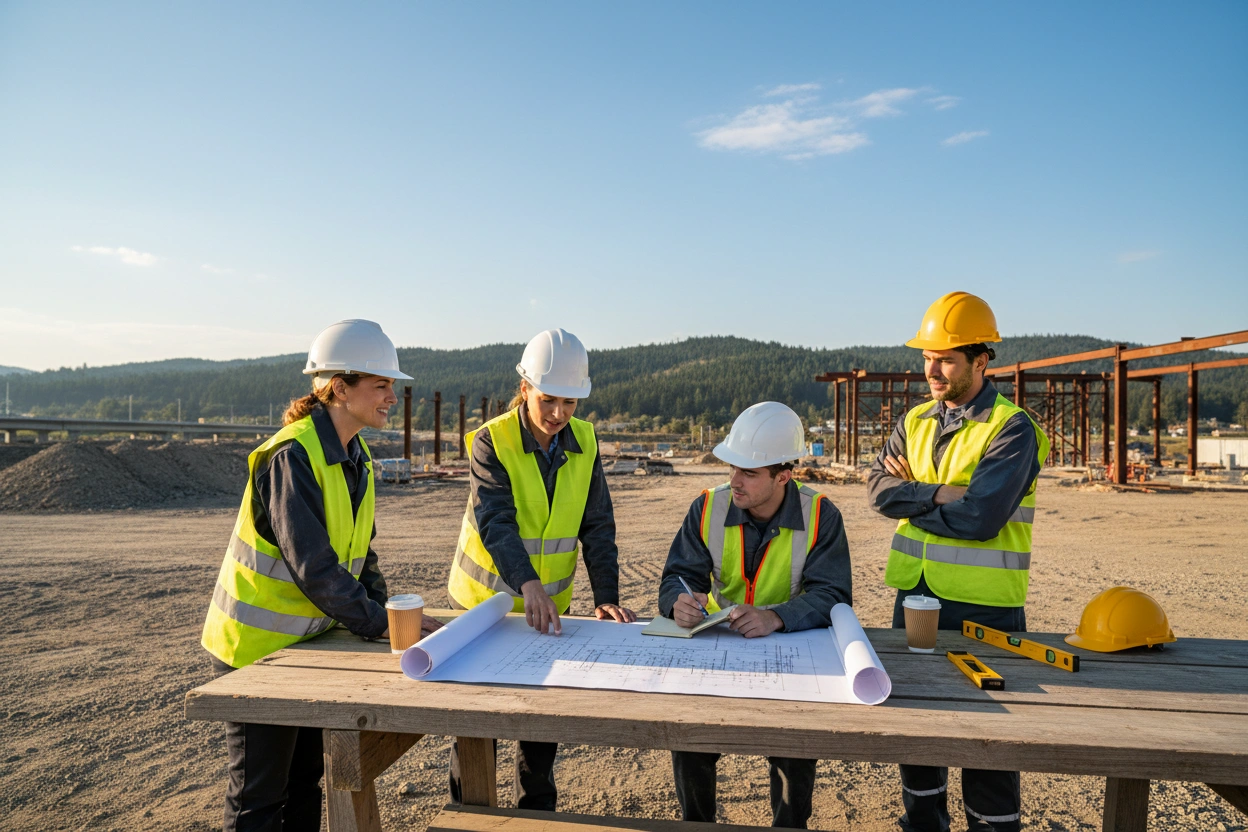
Field experience is a transformative aspect of professional development that shapes individuals in multiple ways. Here, we will explore the core benefits of fieldwork and how they contribute to personal and professional growth.
Real-World Problem Solving
One of the most significant advantages of field experience is the exposure to real-world challenges. Unlike theoretical knowledge, fieldwork requires individuals to think critically and devise solutions on the spot. This environment fosters a proactive mindset, which can be invaluable in team collaboration.
Adaptability: Professionals learn to adjust their strategies based on immediate feedback and unforeseen circumstances. This adaptability is crucial when working in diverse teams where flexibility can determine success.
Resourcefulness: Fieldwork often necessitates innovative thinking and the ability to utilize available resources effectively. Teams can benefit from members who have honed these skills, as they can inspire creative solutions to complex problems.
Risk Assessment: Engaging in fieldwork teaches individuals how to evaluate risks and make informed decisions. This skill translates well into collaborative settings, where team members must collectively assess potential pitfalls before proceeding with a project.
Enhanced Communication Skills
Effective communication is the backbone of any successful team. Field experiences often require individuals to interact with various stakeholders, from clients to team members, in high-pressure situations.
Active Listening: Fieldwork cultivates the ability to listen attentively and respond thoughtfully. Team members who practice active listening are more likely to foster a collaborative environment where everyone's ideas are valued.
Clarity in Messaging: Professionals learn to articulate their thoughts clearly and concisely, an essential skill when collaborating on projects. Clear communication reduces misunderstandings and keeps teams aligned toward common goals.
Non-Verbal Cues: Fieldwork often involves interpreting non-verbal signals, which can enhance a team's ability to gauge emotions and reactions. Understanding body language can improve interpersonal relationships within a team.
Building Trust and Relationships
The relationships formed during fieldwork can significantly influence team dynamics. Trust is a crucial element of effective collaboration, and field experiences often allow team members to develop a stronger bond.
Shared Experiences: Working together in challenging environments creates shared experiences that foster camaraderie. Teams that bond over these experiences are more likely to collaborate effectively.
Reliability: Fieldwork teaches individuals the importance of being dependable. When team members know they can count on each other, it enhances collaboration and leads to more successful outcomes.
Feedback Loops: Field experiences often involve iterative processes where feedback is essential. Learning to give and receive constructive feedback in the field can lead to a culture of continuous improvement within teams.
Strategies for Applying Work Lessons from the Field
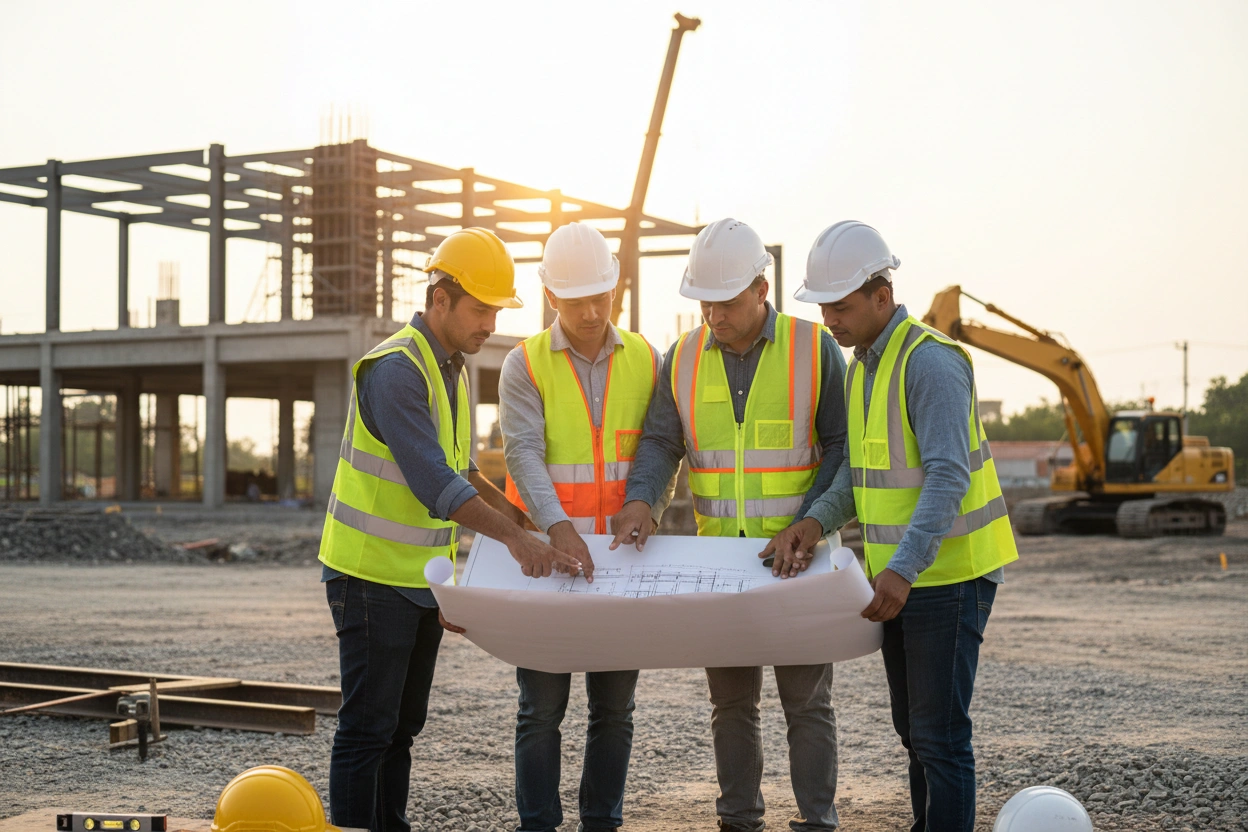
Understanding the significance of work lessons from the field is just the beginning. To translate these lessons into effective team collaboration, consider implementing the following strategies:
Foster an Open Environment
Creating an open environment encourages team members to share their field experiences and insights.
Encourage Storytelling: Invite team members to share their field experiences during meetings. Storytelling can spark discussions and generate new ideas for collaboration.
Implement Regular Check-Ins: Schedule regular team check-ins to discuss ongoing projects and challenges. This practice promotes transparency and allows team members to share relevant lessons from their fieldwork.
Create Safe Spaces: Establish a culture where team members feel comfortable expressing their thoughts without fear of judgment. This openness can lead to richer discussions and more innovative solutions.
Leverage Diverse Perspectives
Fieldwork often exposes individuals to various perspectives. Leveraging these diverse viewpoints can enhance team collaboration.
Cross-Functional Teams: Create teams with members from different departments to encourage the exchange of ideas. Diverse teams can approach problems from multiple angles, leading to more comprehensive solutions.
Rotate Roles: Allow team members to take on different roles within projects. This rotation can provide insights into each other's challenges and strengths, fostering empathy and collaboration.
Facilitate Brainstorming Sessions: Organize brainstorming sessions where team members can freely share ideas. Use techniques such as mind mapping to visualize connections between different perspectives.
Implement Practical Training
Providing practical training opportunities can help bridge the gap between fieldwork experiences and team collaboration.
Workshops: Host workshops that focus on skills learned in the field, such as problem-solving and communication. These sessions can help team members integrate these skills into their collaborative efforts.
Simulated Scenarios: Use role-playing and simulations to recreate fieldwork scenarios. This hands-on approach allows team members to practice applying lessons in a controlled environment.
Mentorship Programs: Establish mentorship programs where experienced fieldworkers can guide newer team members. This relationship can help disseminate valuable field lessons throughout the organization.
Measure and Reflect
To ensure that the application of work lessons from the field is effective, it is essential to measure outcomes and reflect on practices.
Set Clear Goals: Define specific goals for team collaboration and track progress over time. This clarity helps teams stay focused on achieving desired outcomes.
Gather Feedback: Regularly solicit feedback from team members regarding collaboration efforts. This input can provide insights into what is working and what needs improvement.
Conduct Reflection Sessions: Schedule reflection sessions at the end of projects to discuss what went well and what could be improved. These discussions can help teams learn from their experiences and apply those lessons to future collaborations.
Common Misconceptions and How to Avoid Them
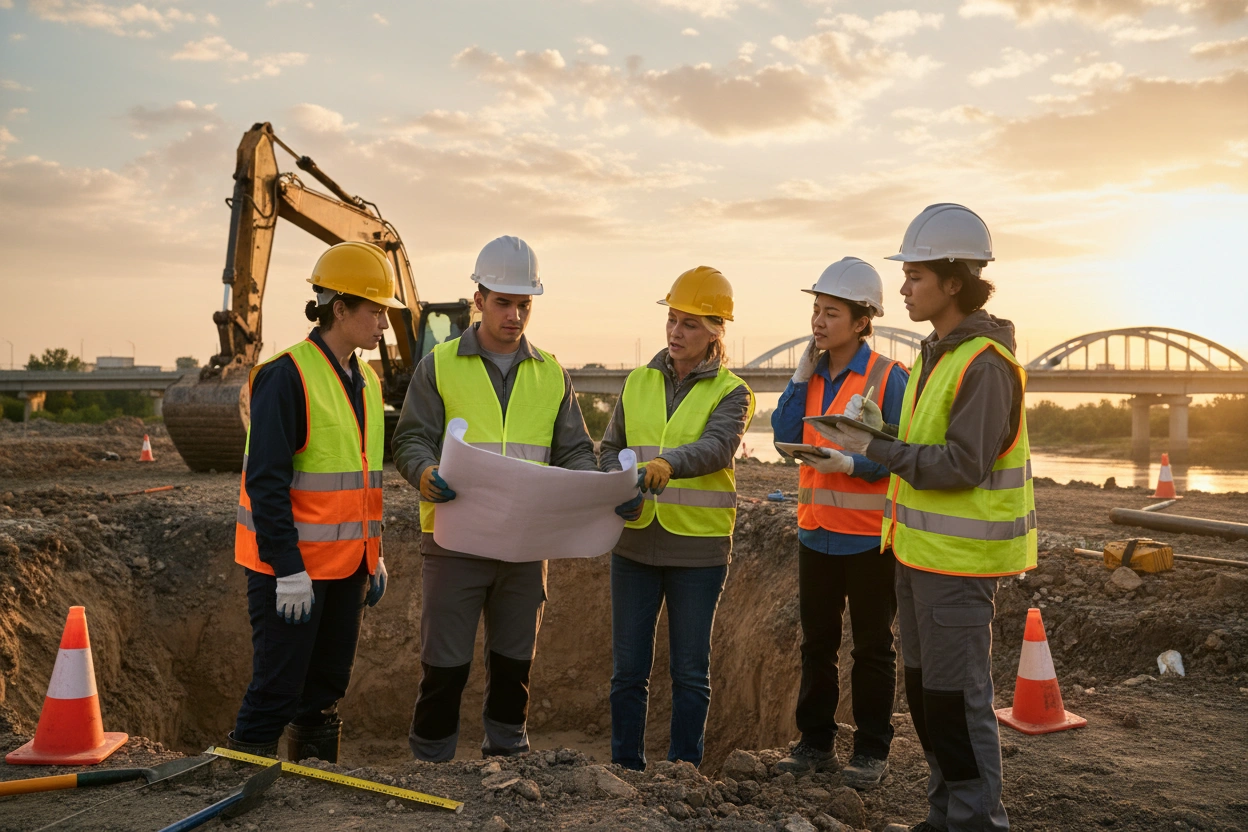
As teams strive to implement work lessons from the field, they may encounter misconceptions that hinder progress. Here are some common pitfalls and strategies to avoid them:
Misconception: Fieldwork is Only Relevant for Certain Roles
Many believe that fieldwork insights apply only to specific roles or industries. In reality, the lessons learned in the field can be beneficial across various sectors.
Broaden Perspectives: Encourage team members from all backgrounds to share their insights. Diverse experiences can provide valuable lessons that transcend industry boundaries.
Create Cross-Industry Teams: Form cross-industry teams to explore how fieldwork lessons can apply in different contexts. This approach can foster creativity and innovation.
Misconception: Collaboration is a One-Time Effort
Some teams view collaboration as a task to be completed rather than an ongoing process. Effective collaboration requires continuous effort and adaptation.
Emphasize Continuous Improvement: Reinforce the idea that collaboration is an evolving process. Regularly assess team dynamics and make adjustments as needed.
Encourage Lifelong Learning: Promote a culture of lifelong learning where team members are encouraged to seek new experiences and knowledge continually. This mindset can enhance collaboration over time.
Misconception: Communication is Solely the Leader's Responsibility
While leaders play a crucial role in facilitating communication, team collaboration is a shared responsibility.
Empower All Team Members: Encourage every team member to take ownership of communication. Provide training on effective communication techniques and create opportunities for all voices to be heard.
Use Collaborative Tools: Implement collaborative tools that streamline communication among team members. These tools can enhance transparency and keep everyone informed.
The Impact of Work Lessons from the Field on Team Collaboration
Applying work lessons from the field to team collaboration not only enhances individual performance but also contributes to a stronger team dynamic. By embracing adaptability, effective communication, and trust-building, teams can navigate challenges more efficiently and achieve greater success.
Moreover, organizations that prioritize these lessons create a culture of collaboration that attracts and retains top talent. Employees who feel valued and heard are more likely to engage fully, leading to higher productivity and job satisfaction.
The Role of Bigfoot Staffing in Enhancing Team Collaboration
At Bigfoot Staffing, we understand the importance of applying work lessons from the field to foster effective team collaboration. Our commitment to connecting businesses with skilled professionals ensures that teams are equipped with individuals who bring valuable field experiences to the table.
By leveraging our expertise in staffing solutions, organizations can build diverse teams that thrive on collaboration. We offer resources and support to help teams navigate challenges and implement best practices drawn from real-world experiences.
As you consider how to apply work lessons from the field within your organization, remember that the insights gained from practical experiences can significantly enhance team dynamics and collaboration.
Partner with Bigfoot Staffing for Effective Collaboration
If you are looking to enhance your team's collaboration and effectiveness by incorporating valuable work lessons from the field, consider partnering with Bigfoot Staffing. Our expertise in staffing solutions can help you find the right talent that aligns with your goals and enhances team dynamics.
Visit Bigfoot Staffing today to explore how we can support your organization's journey toward effective team collaboration and success.


Comments