How to Foster Effective Team Collaboration With Team Building

In today's fast-paced work environment, fostering effective team collaboration is not just beneficial; it is essential for success. Team building plays a pivotal role in enhancing communication, increasing productivity, and improving overall workplace morale. As remote work becomes the norm, traditional methods of team building need to evolve. This article will explore the significance of team building and present the top ten effective team building exercises specifically designed for remote teams, ensuring that everyone feels included and engaged regardless of their physical location.
Understanding the Importance of Team Building
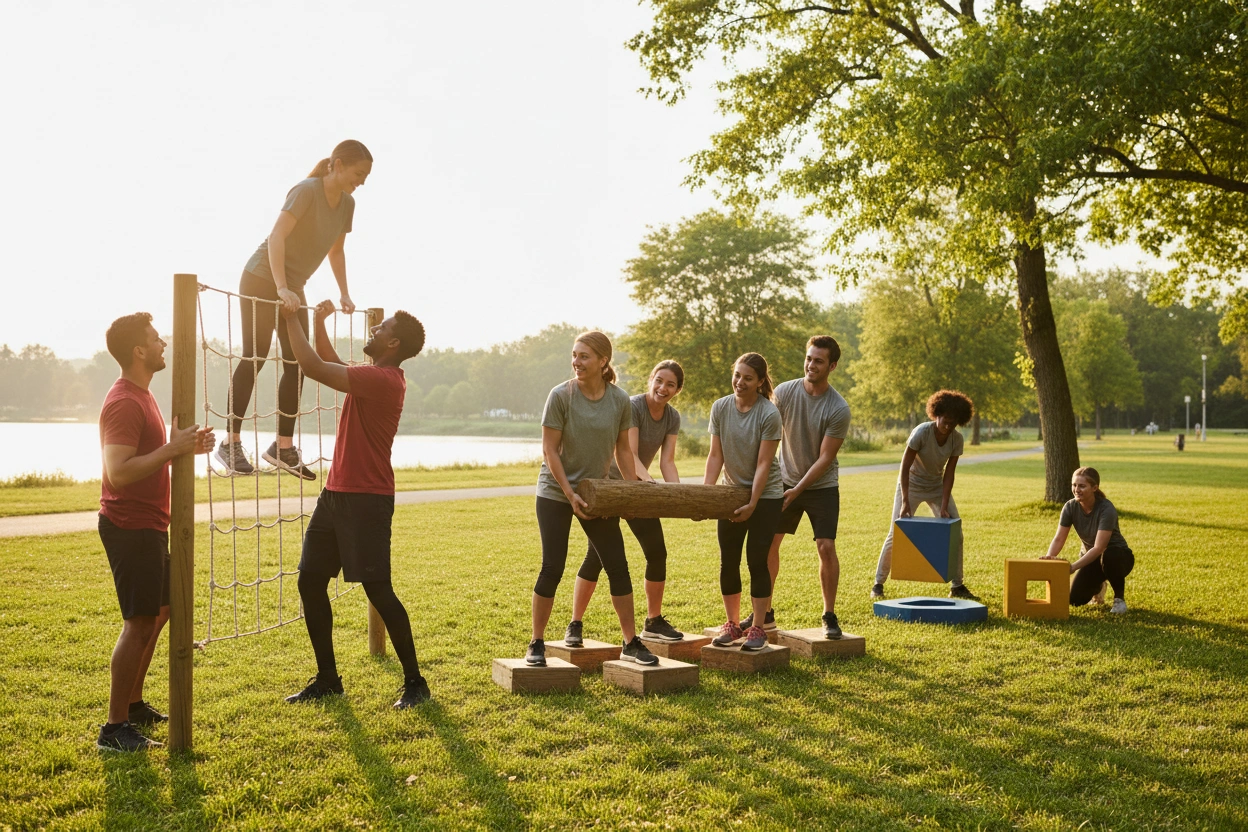
Enhancing Communication
Effective team collaboration begins with clear communication. Team building activities encourage open dialogue among team members, breaking down barriers that may exist in a remote setting. This is particularly important as remote teams may lack the non-verbal cues that in-person interactions provide. By engaging in team building exercises, employees can practice and enhance their communication skills, leading to more effective collaboration.
Building Trust and Relationships
Trust is the foundation of any successful team. Team building fosters relationships among team members, promoting a sense of belonging and camaraderie. This is especially crucial for remote teams, where members may not interact face-to-face. Engaging in team building exercises allows team members to learn more about each other, creating a supportive atmosphere where they feel comfortable sharing ideas and feedback.
Top 10 Effective Team Building Exercises for Remote Teams

1. Virtual Coffee Breaks
Encourage team members to take a break from work and connect over a casual coffee chat.
Set up a weekly virtual coffee break where team members can discuss non-work-related topics.
Use breakout rooms in video conferencing tools to facilitate smaller group discussions.
2. Online Team Trivia
Organize a trivia game using online platforms that allow for team participation.
Create categories related to the company, industry, or fun personal facts about team members.
This exercise not only fosters teamwork but also provides a fun and competitive atmosphere.
3. Collaborative Storytelling
Have team members contribute to a story, with each person adding a sentence or paragraph.
Use a shared document or a dedicated chat channel for this exercise.
This activity encourages creativity and helps team members learn to build on each other’s ideas.
4. Virtual Escape Rooms
Engage the team in a virtual escape room challenge, where they must work together to solve puzzles.
This exercise promotes problem-solving and teamwork under pressure.
Choose a platform that allows for interactive participation and teamwork.
5. Show and Tell
Allow team members to share something meaningful to them, such as a hobby or a personal project.
Schedule regular sessions for team members to present their interests, fostering personal connections.
This promotes openness and encourages team members to learn more about each other.
6. Online Workshops
Host workshops where team members can learn new skills together, such as cooking or painting.
This not only enhances team bonding but also provides opportunities for personal growth.
Choose topics that align with team interests to ensure engagement.
7. Team Challenges
Create friendly competitions that encourage teamwork, such as a fitness challenge or a cooking contest.
Use apps to track progress and celebrate achievements as a team.
This fosters a sense of achievement and camaraderie among team members.
8. Virtual Book Club
Start a book club where team members can read and discuss selected books together.
Choose books that encourage discussions about teamwork, leadership, or personal development.
This activity promotes intellectual engagement and shared learning experiences.
9. Monthly Recognition Meetings
Implement a monthly meeting where team members can recognize each other’s efforts and achievements.
Use this time to celebrate milestones and foster a culture of appreciation.
This reinforces positive behaviors and strengthens team morale.
10. Feedback Sessions
Schedule regular feedback sessions where team members can share thoughts on projects and processes.Encourage a culture of constructive criticism and open dialogue.This helps improve collaboration and ensures that everyone feels heard and valued.
Common Mistakes in Team Building and How to Avoid Them
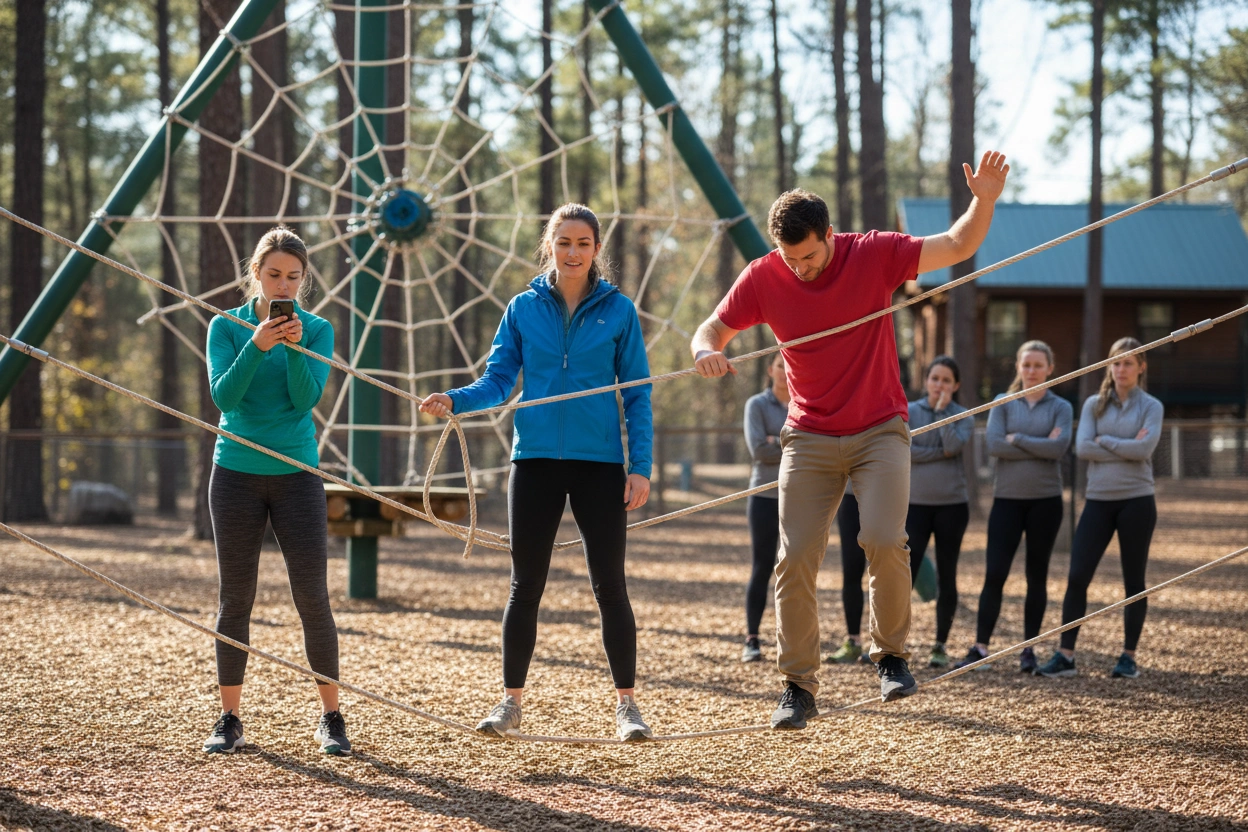
Lack of Inclusivity
One of the most common mistakes in team building is failing to ensure inclusivity. Remote teams often consist of individuals from diverse backgrounds, and team building activities should reflect that diversity. To avoid this pitfall, it is essential to choose activities that cater to different interests and comfort levels. Consider conducting surveys to understand team preferences and tailor exercises accordingly.
Overlooking Follow-Up
Another frequent oversight is the lack of follow-up after team building activities. It is crucial to assess the impact of these exercises on team dynamics and collaboration. Schedule follow-up discussions to gather feedback and determine what worked well and what could be improved. This not only shows team members that their input is valued but also helps refine future activities.
Not Setting Clear Objectives
Team building activities should have clear objectives to ensure they align with the team's goals. Failing to establish these objectives can lead to confusion and disengagement. Before conducting any team building exercise, clarify the desired outcomes and communicate them to the team. This will help create a focused and productive environment.
Conclusion: Fostering Collaboration Through Team Building
Effective team collaboration is crucial for the success of any organization, especially in a remote working environment. The exercises outlined in this article provide valuable opportunities for team members to connect, communicate, and collaborate effectively. By implementing these strategies, teams can build trust, enhance relationships, and foster a positive work culture.
At Bigfoot Staffing, we understand the importance of team building in creating cohesive remote teams. Our expertise in staffing solutions ensures that your organization can find the right talent to enhance collaboration and productivity. If you're looking to strengthen your team's dynamics and improve collaboration, contact Bigfoot Staffing today. Let's work together to create an environment where your team can thrive.



Comments