How Work Lessons from the Field Advance Skills Development

In the ever-evolving landscape of professional development, the lessons learned from fieldwork are invaluable. Work lessons from the field not only shape individual careers but also enhance organizational capabilities. Whether through hands-on experiences, real-time problem-solving, or direct interactions with clients and stakeholders, fieldwork provides unique insights that can significantly contribute to skill advancement.
This article delves into how field experience shapes professional growth, emphasizes fieldwork best practices, and outlines actionable insights that individuals and organizations can implement to maximize their learning experiences.
The Impact of Field Experience on Professional Growth
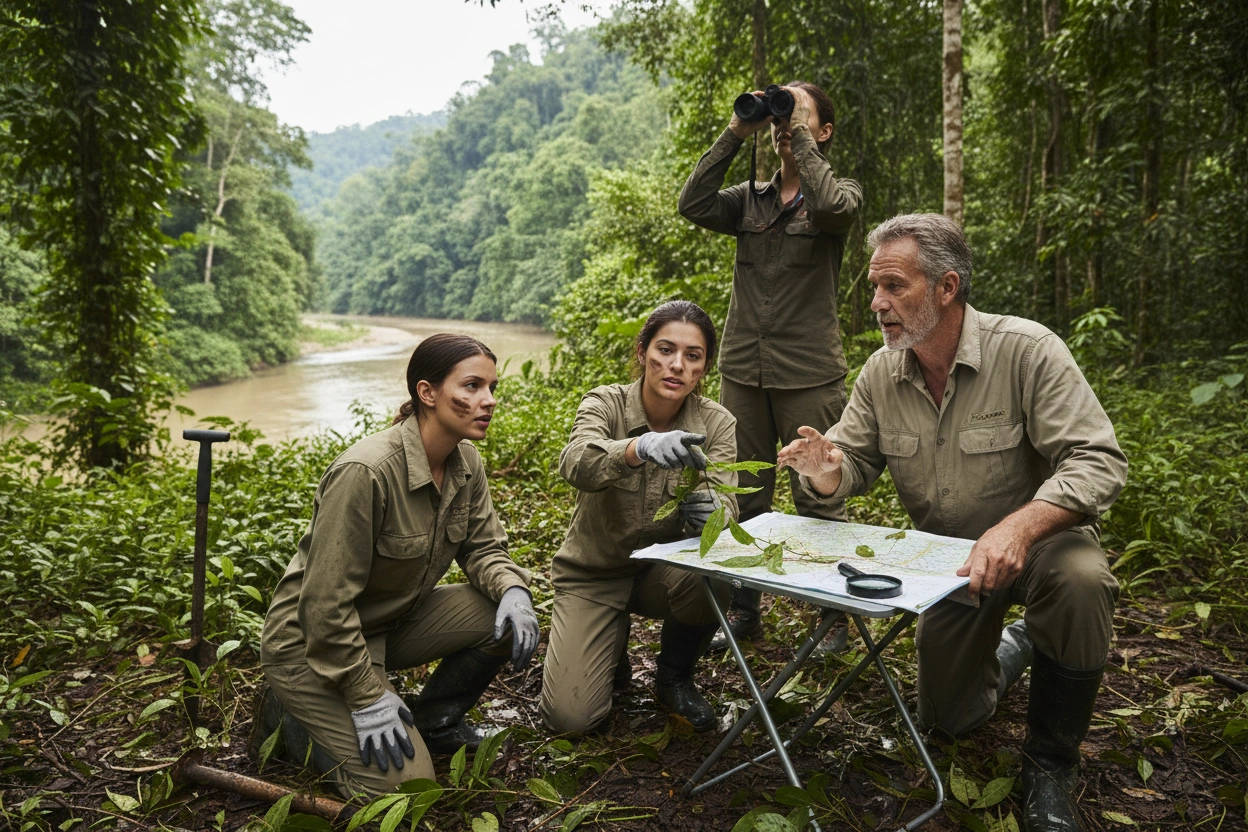
Field experience serves as a crucible for professional growth, allowing individuals to apply theoretical knowledge in practical settings. This real-world application is crucial for several reasons. Firstly, it fosters a deeper understanding of industry nuances, which cannot be replicated in a classroom environment. Secondly, fieldwork cultivates essential soft skills such as communication, teamwork, and adaptability, which are increasingly valued in today’s job market.
Real-World Application of Theoretical Knowledge
Engaging in fieldwork allows professionals to witness firsthand the complexities of their respective industries. For instance, a marketing professional might apply digital marketing theories by running campaigns in real-time, analyzing customer interactions, and adjusting strategies based on immediate feedback. This process not only solidifies their understanding of marketing principles but also equips them with practical skills that enhance their employability.
Observing market trends and consumer behavior in real time
Testing strategies and measuring outcomes
Adapting to unforeseen challenges and learning from mistakes
Development of Soft Skills
The challenges faced during fieldwork often require professionals to enhance their soft skills. These skills are essential for effective collaboration, negotiation, and conflict resolution. For example, a project manager overseeing a construction site must communicate effectively with various stakeholders, including clients, contractors, and team members. The ability to manage these relationships and facilitate open communication is crucial for project success and personal development.
Enhancing interpersonal communication skills
Building teamwork and collaboration abilities
Developing problem-solving techniques in high-pressure situations
Fieldwork Best Practices for Skill Advancement
To fully harness the benefits of field experience, individuals and organizations should adopt specific best practices. These practices not only improve the quality of fieldwork but also ensure that valuable lessons are effectively translated into skill development.
Establish Clear Objectives
Before embarking on any fieldwork, it is essential to set clear objectives. These objectives should outline what skills or knowledge are to be gained and how they will be measured. For example, if a team is conducting market research, they might aim to understand customer preferences through direct surveys and interviews. Establishing clear goals helps in focusing efforts and evaluating success.
Define specific learning outcomes
Align fieldwork tasks with career goals
Review objectives periodically for relevance
Foster a Learning Culture
Creating a culture that encourages learning from fieldwork experiences is vital. Organizations should promote an environment where team members feel safe to share their insights, successes, and failures. This culture can be fostered through regular debriefs after fieldwork assignments, where individuals can discuss what they learned and how they can improve.
Encourage open dialogue about experiences
Implement mentorship programs for knowledge sharing
Celebrate successes and analyze failures constructively
Utilize Feedback Mechanisms
Incorporating feedback mechanisms into fieldwork practices can significantly enhance skill development. Constructive feedback allows individuals to reflect on their performance, recognize areas for improvement, and reinforce successful strategies. For instance, after completing a project, team members could gather feedback from peers and supervisors to identify strengths and weaknesses.
Conduct post-project reviews with all stakeholders
Use surveys to gather anonymous feedback
Create action plans based on feedback received
Common Misconceptions About Fieldwork
While fieldwork is an essential component of professional development, several misconceptions can hinder its effectiveness. Addressing these misconceptions can help individuals and organizations maximize the benefits of their field experiences.
Fieldwork is Only for Entry-Level Positions
One common misconception is that fieldwork is primarily reserved for entry-level employees. In reality, professionals at all levels can benefit from field experiences. Senior leaders, for example, can gain valuable insights by spending time on the ground, interacting with customers, and understanding operational challenges. This exposure can inform strategic decision-making and foster a more holistic understanding of the business.
Fieldwork is Just About Technical Skills
Another misconception is that fieldwork solely focuses on developing technical skills. While technical proficiency is important, fieldwork also enhances soft skills, such as leadership and emotional intelligence. Professionals who engage in fieldwork often find themselves in situations that require them to motivate teams, negotiate with clients, and navigate complex interpersonal dynamics.
Experience Alone Guarantees Skill Development
Lastly, many believe that simply participating in fieldwork guarantees skill advancement. However, active engagement and reflection are crucial for translating experiences into skills. Professionals must take the time to analyze their field experiences, seek feedback, and apply lessons learned to future scenarios.
The Role of Mentorship in Fieldwork
Mentorship plays a critical role in transforming work lessons from the field into tangible skills. A mentor can provide guidance, share experiences, and offer constructive criticism that accelerates learning. This relationship is beneficial for both mentors and mentees, as it fosters a culture of continuous improvement and knowledge sharing.
Benefits of Mentorship During Fieldwork
Guidance and Support: Mentors can help navigate challenges faced during fieldwork, offering insights based on their experiences.
Networking Opportunities: Mentors often have extensive professional networks that can open doors for mentees, providing access to resources and opportunities.
Personalized Learning: Mentorship allows for tailored learning experiences that align with the mentee's specific goals and challenges.
How to Establish a Mentorship Relationship
To establish a successful mentorship relationship during fieldwork, consider the following steps:
Identify potential mentors within your organization or industry.
Approach them with a clear understanding of what you hope to achieve through mentorship.
Set regular check-in meetings to discuss progress, challenges, and learning opportunities.
Actionable Insights for Maximizing Field Experience
To maximize the benefits of fieldwork, individuals and organizations should consider implementing the following actionable strategies:
Embrace a Growth Mindset
Adopting a growth mindset encourages individuals to view challenges as opportunities for learning. This perspective fosters resilience and adaptability, which are critical for success in any field.
Approach obstacles with curiosity and a desire to learn
Reflect on experiences to identify areas for improvement
Celebrate small wins to build confidence
Leverage Technology for Fieldwork
Utilizing technology can enhance the efficiency and effectiveness of fieldwork. Tools such as project management software, data analytics platforms, and communication apps can streamline processes and improve collaboration.
Use project management tools to track progress and responsibilities
Employ data analytics to gain insights from field data
Utilize communication apps to facilitate real-time collaboration
Document and Share Experiences
Keeping a record of field experiences can be invaluable for personal and professional growth. Documenting lessons learned, challenges faced, and successful strategies can serve as a reference for future projects.
Maintain a fieldwork journal to capture insights and reflections
Share experiences with colleagues to promote collective learning
Create case studies based on successful fieldwork projects
The Intersection of Fieldwork Experience and Skill Development
In summary, the lessons learned from fieldwork are critical for advancing skills development. By engaging in real-world experiences, professionals can enhance their technical and soft skills, fostering growth that benefits both individuals and organizations.
Organizations like Bigfoot Staffing understand the importance of field experience and provide opportunities for professionals to engage in meaningful work that fosters growth. By connecting individuals with the right opportunities, Bigfoot Staffing enables them to apply work lessons from the field effectively.
As you consider how to advance your career through field experiences, remember that every lesson learned is a stepping stone to greater expertise. For those looking to enhance their skills through practical experiences, we invite you to explore the opportunities available through Bigfoot Staffing.
Visit Bigfoot Staffing to learn more about how we can help you apply your work lessons from the field to achieve your professional goals.



Comments