How Work Lessons from the Field Drive Skills Development in Industrial Jobs

In the ever-evolving landscape of industrial jobs, the importance of real-world experience cannot be overstated. Work lessons from the field provide invaluable insights that shape not only individual skills but also entire careers. These lessons come from direct engagement with tasks, tools, and teams in dynamic environments, fostering a learning culture that is often absent in traditional classroom settings. This article delves into how field experience shapes professional growth, the best practices in fieldwork, and actionable insights that professionals can leverage to enhance their skills.
The Impact of Field Experience on Professional Growth
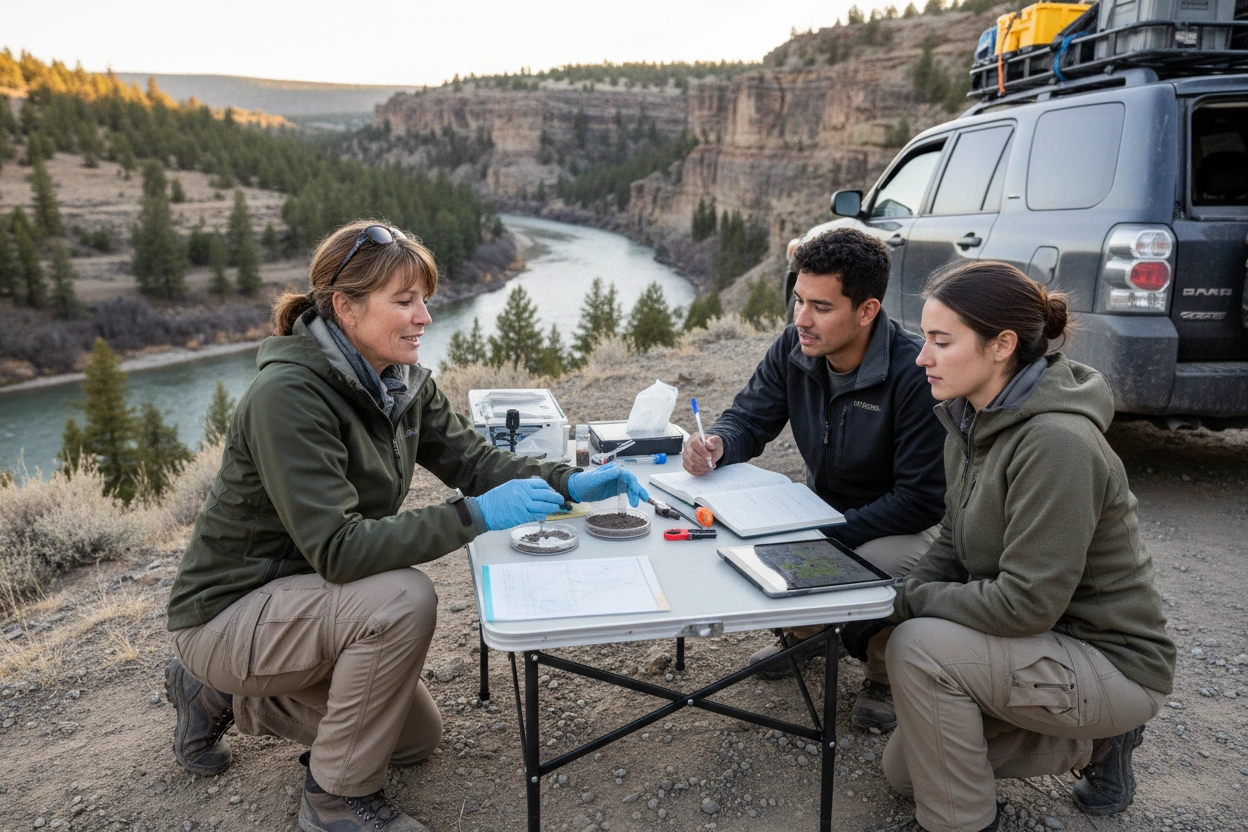
Field experience plays a crucial role in the development of practical skills and competencies that are essential in industrial jobs. This hands-on exposure allows workers to apply theoretical knowledge in real-world situations, bridging the gap between learning and doing. Understanding how field experience contributes to professional growth involves examining several key factors.
1. Practical Application of Knowledge
Theoretical knowledge gained through formal education is often abstract and can be difficult to translate into practice. Work lessons from the field enable individuals to see the direct application of their skills. For instance, an engineering student who has only studied mechanical systems in a classroom may struggle to visualize how these systems operate in a manufacturing environment. However, when exposed to fieldwork, they can observe machinery in action, troubleshoot problems, and understand the implications of their designs.
Field experience allows for the immediate application of knowledge.
Workers gain insights into the complexities of real-world operations.
The opportunity to troubleshoot and innovate fosters critical thinking skills.
2. Development of Soft Skills
In addition to technical skills, fieldwork cultivates essential soft skills that are vital in the industrial sector. Communication, teamwork, and problem-solving are often enhanced in a hands-on environment. Engaging with colleagues, clients, and stakeholders requires adaptability and interpersonal skills that are best developed through experience.
Team dynamics in fieldwork settings enhance collaboration skills.
Real-time communication challenges improve verbal and non-verbal skills.
Problem-solving in unpredictable environments fosters resilience and creativity.
3. Exposure to Industry Standards and Practices
Field experience immerses workers in industry standards and best practices, providing them with a comprehensive understanding of operational protocols. This exposure is instrumental in ensuring that employees are not only aware of but also compliant with safety regulations and quality standards, which are critical in industrial jobs.
Familiarity with safety protocols reduces workplace accidents.
Understanding quality control processes enhances product reliability.
Experience with industry standards prepares workers for certification and compliance assessments.
Fieldwork Best Practices for Skill Development
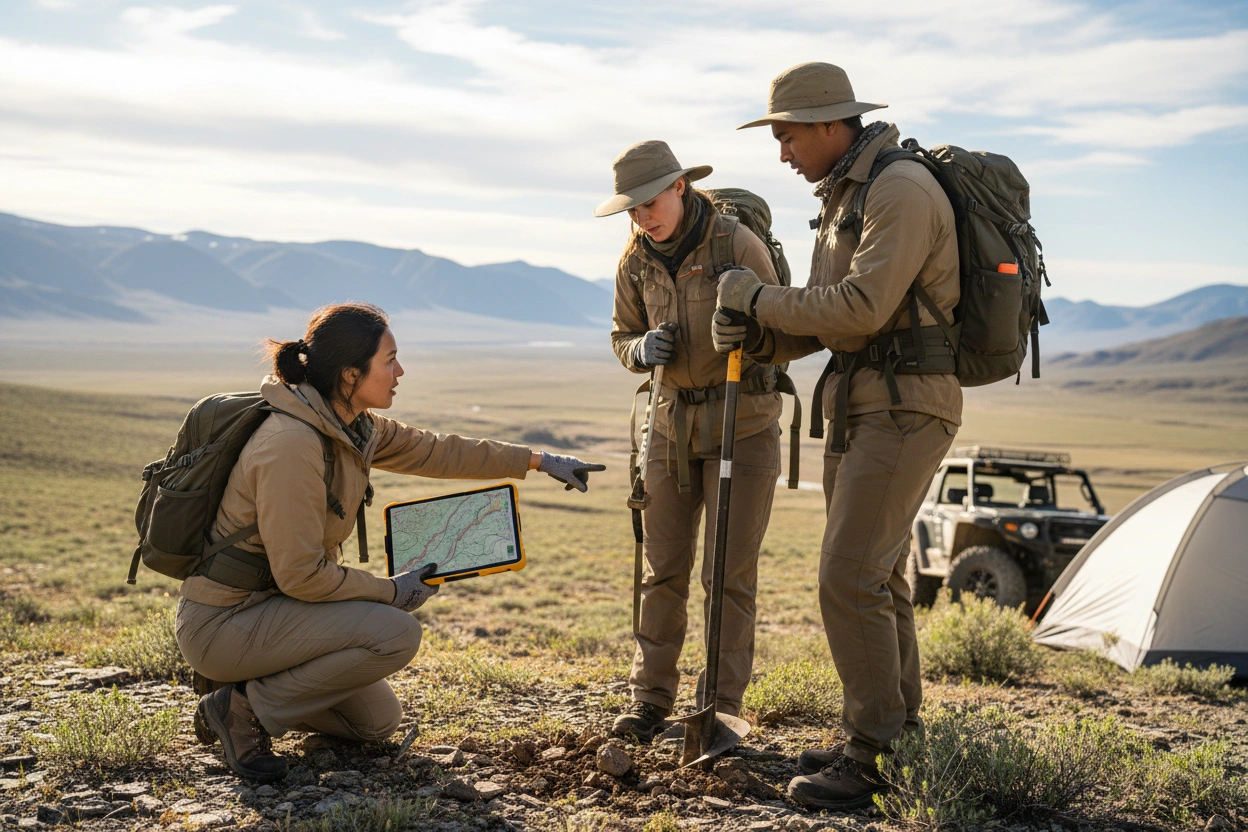
To maximize the benefits of field experience, it is essential to adopt best practices that enhance learning and development. These practices ensure that workers can leverage their time in the field effectively.
1. Continuous Learning and Adaptation
Workers should approach field experience with a mindset of continuous learning. This involves not only performing tasks but also reflecting on experiences and seeking feedback. Engaging in discussions with supervisors and peers can provide insights that facilitate improvement.
Keep a journal to document experiences and lessons learned.
Actively seek feedback from supervisors and team members.
Participate in debriefing sessions to discuss challenges and successes.
2. Emphasizing Safety and Compliance
Safety should always be a priority in any industrial setting. Understanding and adhering to safety protocols is not just a regulatory requirement but also a critical aspect of personal and team well-being. Workers should be trained to identify potential hazards and respond appropriately.
Attend safety training sessions regularly.
Stay updated on changes to safety regulations and practices.
Encourage a culture of safety by reporting hazards and sharing best practices.
3. Building a Supportive Network
Creating a robust network of colleagues and mentors can significantly enhance the learning experience. Networking allows individuals to share knowledge, resources, and opportunities, creating an environment conducive to growth.
Attend industry conferences and workshops to meet peers.
Join professional organizations related to your field.
Utilize online platforms to connect with industry experts.
Common Misconceptions about Field Experience

Despite the clear benefits of field experience, several misconceptions can hinder its perceived value in skill development. Addressing these misconceptions is crucial for fostering a culture that values practical learning.
1. Field Experience is Only for Entry-Level Workers
One common misconception is that field experience is only beneficial for entry-level workers. In reality, professionals at all levels can gain from hands-on experience. Senior workers can refine their skills, learn new technologies, and mentor newcomers, creating a continuous cycle of learning.
Field experience is valuable for career progression at any level.
Senior employees can enhance their leadership skills through mentorship.
Continuous learning keeps seasoned professionals relevant in their field.
2. The Classroom is Sufficient for Skill Development
Another misconception is that classroom education alone is sufficient for skill development. While theoretical knowledge is important, it often lacks the context provided by real-world applications. Field experience is essential for a well-rounded skill set.
Classroom learning does not account for practical challenges.
Real-world scenarios provide context that enhances understanding.
Skills learned in the classroom must be tested and refined in the field.
3. Mistakes in the Field are Detrimental
Many individuals fear making mistakes in the field, viewing them as failures. However, mistakes are often the most powerful learning opportunities. Embracing a mindset that views errors as chances for growth can significantly enhance skill development.
Mistakes can lead to valuable insights and innovative solutions.
Learning from errors fosters resilience and adaptability.
A supportive environment encourages risk-taking and experimentation.
Actionable Insights for Leveraging Field Experience
To effectively utilize work lessons from the field for skill development, individuals should implement actionable strategies that enhance their learning experiences. Here are some practical tips:
1. Set Clear Learning Objectives
Before entering the field, it is beneficial to establish specific learning objectives. Defining what skills or knowledge you aim to acquire can provide focus and direction during fieldwork.
Identify areas where you want to improve.
Set measurable goals to track your progress.
Revisit and adjust your objectives as needed.
2. Engage in Reflective Practice
Taking time to reflect on experiences in the field can lead to deeper learning. After completing a task or project, consider what went well, what could be improved, and how you can apply those lessons in the future.
Schedule regular reflection sessions after fieldwork.
Discuss insights with peers or mentors to gain different perspectives.
Document reflections to track personal growth over time.
3. Seek Mentorship and Guidance
Finding a mentor who has extensive field experience can provide invaluable support. Mentors can share their insights, guide you through challenges, and help you navigate your career path.
Look for mentors within your organization or industry.
Be open to feedback and willing to learn from their experiences.
Cultivate a relationship built on trust and mutual respect.
The Role of Bigfoot Staffing in Skill Development
In the context of work lessons from the field, Bigfoot Staffing plays a vital role in connecting individuals with opportunities that enhance their skills and professional growth. By partnering with experienced professionals and organizations, Bigfoot Staffing facilitates access to valuable field experiences that drive career development.
The Value of Field Experience in Industrial Jobs
Understanding the importance of work lessons from the field is essential for anyone pursuing a career in industrial jobs. Field experience not only shapes technical skills but also fosters personal and professional growth. By embracing fieldwork and applying best practices, individuals can enhance their skill sets and prepare for the challenges of the industry.
How Bigfoot Staffing Can Support Your Journey
Bigfoot Staffing is committed to helping individuals leverage their field experiences to cultivate essential skills. Whether you are just starting your career or looking to advance, Bigfoot Staffing can connect you with opportunities that align with your goals and enhance your professional journey.
To explore how Bigfoot Staffing can help you apply what you've learned about work lessons from the field, visit our website or contact Bigfoot Staffing today. Your next step towards skill development in the industrial sector is just a click away.



Comments