How Work Lessons from the Field Enhance Administrative Efficiency

In an increasingly complex business landscape, the importance of learning from real-world experiences cannot be overstated. Work lessons from the field serve as invaluable resources that inform decision-making, streamline processes, and ultimately enhance administrative efficiency. As professionals navigate the intricacies of their roles, the insights gained from fieldwork can illuminate best practices that contribute to a more productive workplace.
Understanding the relationship between fieldwork and administrative functions is crucial for organizations aiming to optimize their operations. This article delves into how field experience shapes professional growth, sharing fieldwork best practices that can be integrated into administrative processes. By harnessing these lessons, organizations can foster a culture of continuous improvement and adaptability.
How Field Experience Shapes Professional Growth

Field experience provides a unique perspective that theoretical training often lacks. When employees engage directly with the challenges and dynamics of their work environments, they develop skills that enhance their overall effectiveness. This section explores how exposure to real-world situations fosters professional growth.
Practical Problem-Solving Skills
Fieldwork immerses individuals in scenarios where they must think on their feet and make quick decisions. This hands-on experience cultivates practical problem-solving skills that are transferable to administrative tasks. Employees who have navigated complex situations in the field are often better equipped to handle unexpected challenges in the office.
Employees learn to analyze situations quickly and assess potential solutions.
They develop the ability to prioritize tasks based on urgency and impact.
Field experience encourages creative thinking, as individuals must often devise solutions with limited resources.
For example, a project manager who has spent time on-site overseeing construction may have a deeper understanding of resource allocation and timeline management. This knowledge can inform how they approach project scheduling in an administrative capacity, leading to more effective coordination and efficiency.
Enhanced Communication Abilities
Fieldwork necessitates clear and concise communication, as team members often need to relay information swiftly to ensure smooth operations. This emphasis on communication translates into improved interpersonal skills in administrative roles.
Employees learn to articulate their thoughts clearly and effectively.
They become adept at listening and responding to feedback, fostering collaboration.
Field experience often requires negotiation and conflict resolution skills, which are valuable in any organizational setting.
Consider a sales representative who spends time engaging with clients directly. The ability to read body language and respond to customer needs can enhance their communication skills in internal meetings, leading to more productive discussions and decision-making processes.
Implementing Fieldwork Best Practices in Administration
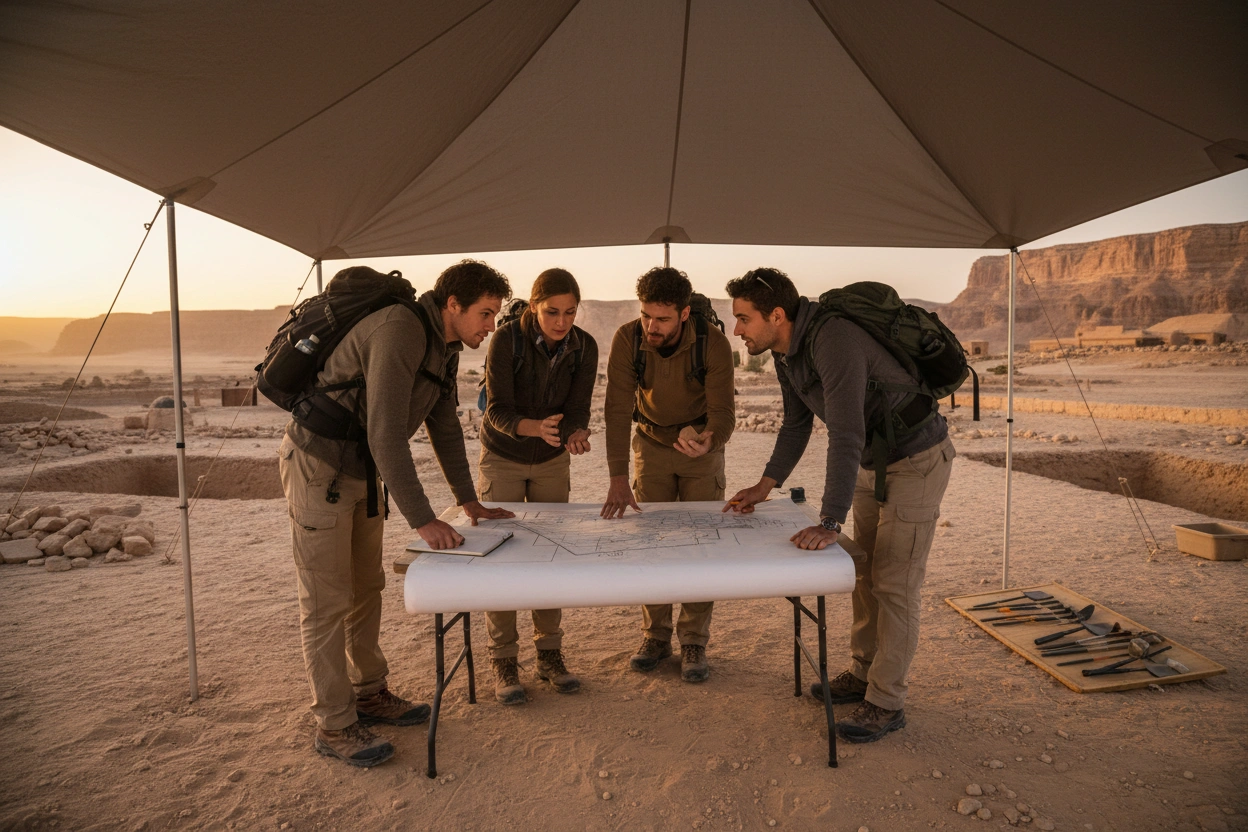
To leverage the insights gained from field experience, organizations must implement best practices that bridge the gap between fieldwork and administrative efficiency. This section outlines key strategies to integrate these lessons effectively.
1. Foster a Culture of Continuous Learning
Encouraging a culture of continuous learning is essential for integrating work lessons from the field into administrative functions. Organizations should prioritize ongoing training and development opportunities for employees at all levels.
Offer workshops and seminars that emphasize practical skills derived from field experiences.
Create mentorship programs that pair experienced fieldworkers with administrative staff to share insights.
Encourage employees to participate in cross-functional teams to gain diverse perspectives.
2. Utilize Technology for Enhanced Communication
Incorporating technology can streamline communication and collaboration between field and administrative teams. Utilizing tools that facilitate real-time updates can improve efficiency and reduce misunderstandings.
Implement project management software that allows for transparent tracking of tasks and timelines.
Use communication platforms that enable quick exchanges of information between field and office staff.
Consider mobile applications that facilitate data collection and reporting from the field.
3. Establish Feedback Loops
Creating mechanisms for feedback between field and administrative functions helps organizations adapt and refine their processes. Regular feedback loops can ensure that lessons learned in the field are effectively communicated and utilized.
Schedule regular debriefing sessions where field employees can share insights with administrative teams.
Encourage open lines of communication where staff can provide suggestions for improvement.
Utilize surveys to gather input from both field and administrative personnel on process effectiveness.
Common Misconceptions About Fieldwork and Administration
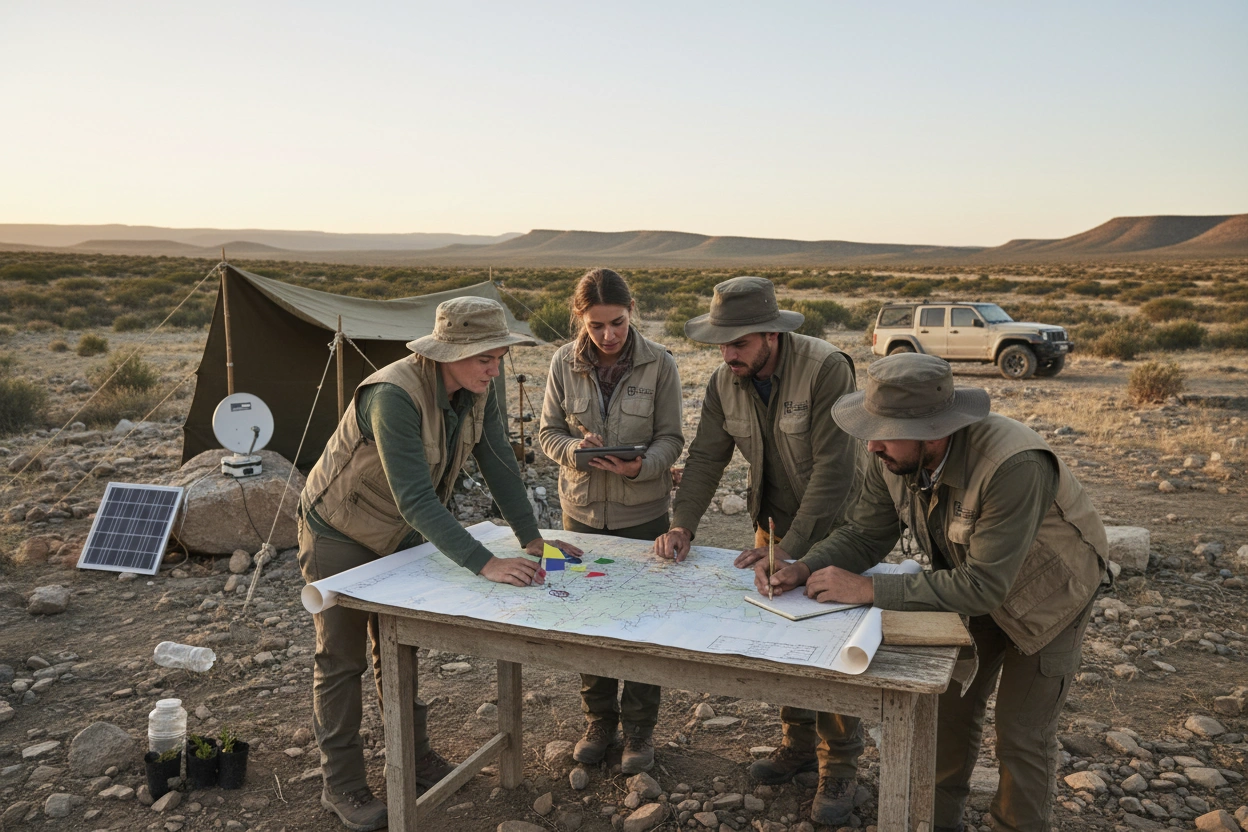
While the benefits of integrating fieldwork lessons into administrative processes are clear, several misconceptions may hinder organizations from fully embracing these insights. Addressing these misunderstandings can pave the way for more effective practices.
Misconception: Fieldwork Is Only Relevant for Operational Roles
One common misconception is that fieldwork experiences are only beneficial for those in operational roles. In reality, insights gained from fieldwork can inform various administrative functions, including human resources, finance, and project management.
Administrative roles benefit from understanding the challenges faced by field staff, enabling better resource allocation.
Employees in administrative roles can develop empathy and support for field teams, enhancing overall morale and collaboration.
Misconception: Field Experience Is Not Applicable to Remote Work
With the rise of remote work, some may believe that field experiences are less relevant. However, the principles learned from fieldwork—such as adaptability, problem-solving, and communication—remain applicable, regardless of work environment.
Remote teams can still benefit from the lessons learned in real-world situations, adapting them to virtual communication and collaboration.
Organizations can encourage remote employees to share their experiences and insights to foster a culture of learning.
Actionable Insights for Enhancing Administrative Efficiency
Organizations seeking to enhance administrative efficiency through work lessons from the field should consider implementing the following actionable insights:
Encourage Field Visits: Allow administrative staff to spend time in the field to gain firsthand experience of operations. This exposure can provide valuable insights that inform their work.
Document Best Practices: Create a repository of fieldwork best practices that can be referenced by administrative teams. This documentation can serve as a guide for decision-making and process improvement.
Promote Cross-Training: Implement cross-training programs where employees from different departments learn about each other's roles. This practice can enhance understanding and collaboration, leading to improved administrative efficiency.
Leverage Data Analytics: Use data analytics tools to track performance metrics and identify areas for improvement. Field data can provide insights that drive administrative decision-making.
Recognize and Reward: Acknowledge employees who actively apply work lessons from the field to their administrative roles. Recognition can motivate others to embrace similar practices.
The Intersection of Field Experience and Administrative Excellence
As organizations continue to navigate the complexities of the modern business landscape, the integration of work lessons from the field into administrative processes is paramount. By embracing fieldwork best practices, companies can enhance efficiency, foster a culture of continuous learning, and empower their workforce.
Bigfoot Staffing recognizes the value of field experience in shaping effective administrative teams. By supporting organizations in finding the right talent and fostering a collaborative work environment, Bigfoot Staffing helps bridge the gap between field and administrative operations.
To learn more about how work lessons from the field can enhance your organization's administrative efficiency, contact Bigfoot Staffing today. Let us help you apply these insights to improve your processes and drive success.



Comments