How Work Lessons from the Field Enhance Team Collaboration Techniques

In today's rapidly evolving workplace, the importance of effective team collaboration cannot be overstated. Organizations are increasingly recognizing that success hinges not only on individual talent but also on how well teams can work together. One of the most underappreciated sources of insight into effective collaboration is the wealth of knowledge derived from fieldwork. The work lessons from the field provide invaluable lessons that can shape professional growth, enhance team dynamics, and ultimately lead to better outcomes. This article delves into how these lessons can be harnessed to improve collaboration techniques within teams.
Understanding Work Lessons from the Field
What Constitutes Work Lessons from the Field?
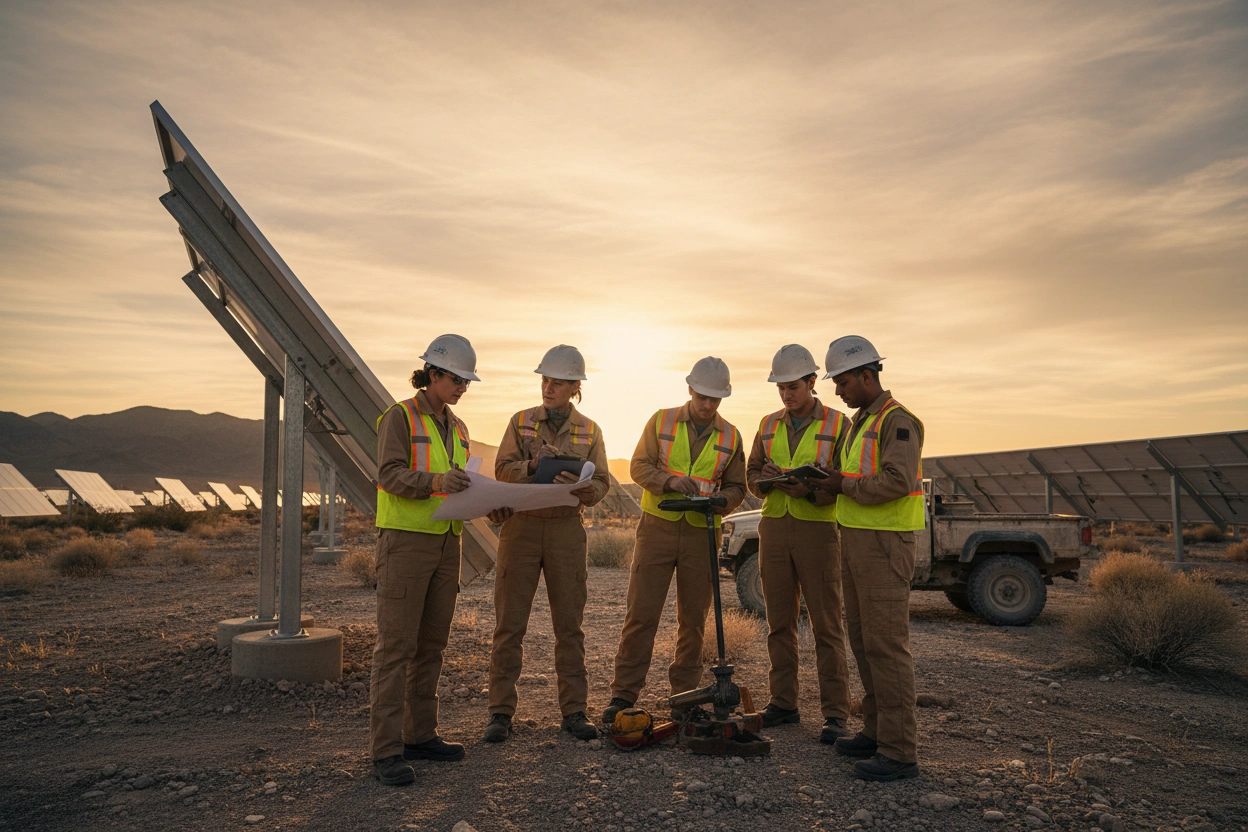
Work lessons from the field encompass the practical insights and experiences gained by professionals engaged in hands-on work outside traditional office environments. These lessons are often derived from real-world challenges and scenarios that require immediate problem-solving, adaptability, and teamwork. Unlike theoretical knowledge, fieldwork provides a unique perspective that can influence how teams collaborate and communicate.
The lessons learned in the field can cover a range of topics, including communication strategies, conflict resolution, decision-making processes, and the importance of flexibility. By observing and reflecting on these experiences, individuals can develop a more nuanced understanding of teamwork, which can be applied back in the office environment.
Why Field Experience is Crucial for Professional Growth
Field experience is often seen as a rite of passage in many industries. It allows professionals to encounter and overcome challenges that are not typically addressed in a classroom or through conventional training. This experience not only builds technical skills but also soft skills such as empathy, leadership, and communication.
For instance, a construction manager who spends significant time on-site will learn to navigate the complexities of team dynamics, deadlines, and resource allocation. These lessons are invaluable and can be directly applied to enhance collaboration techniques within a team. By understanding the real pressures and motivations that team members face, leaders can foster a more supportive and productive work environment.
How Field Experience Shapes Team Collaboration Techniques
Building Trust and Communication
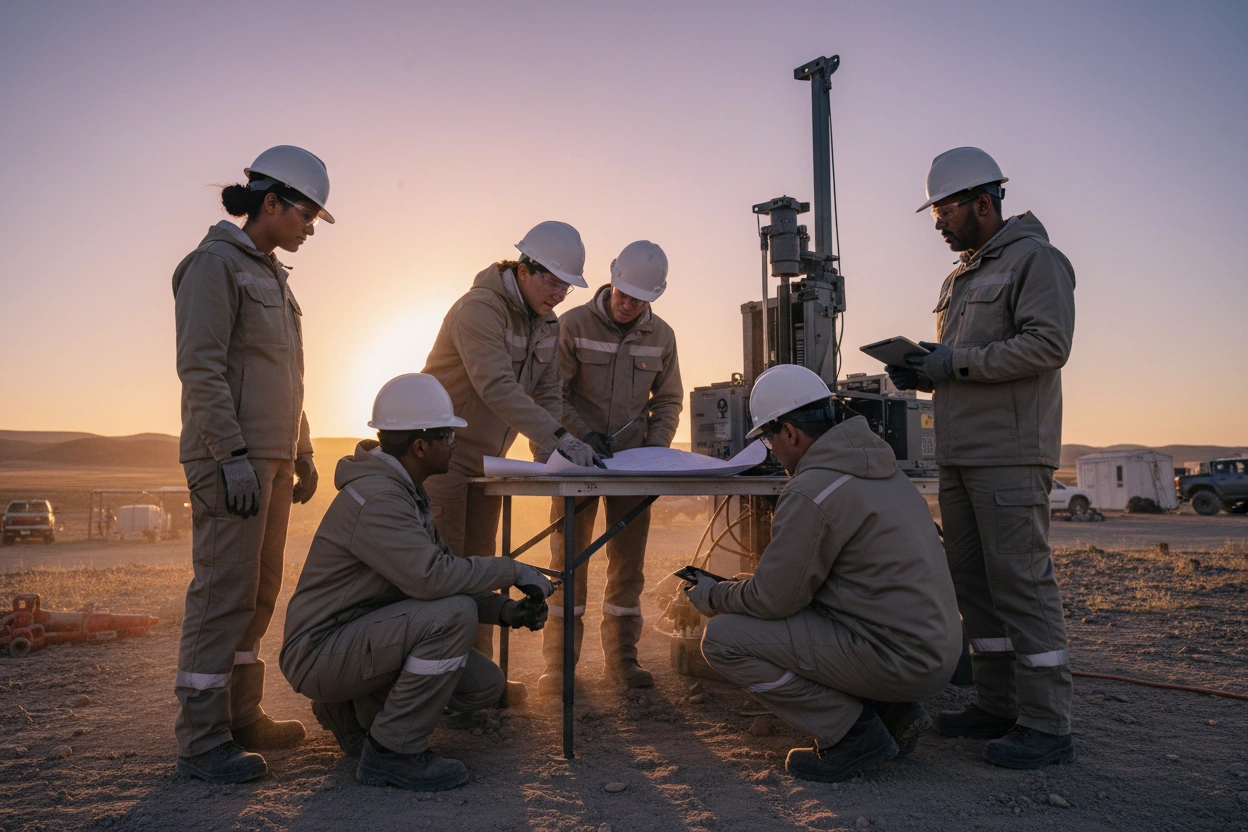
Effective communication is the cornerstone of any successful team. Work lessons from the field often highlight the importance of transparent communication channels. When team members engage in fieldwork, they learn to communicate clearly and concisely, often in high-pressure situations.
Establish Open Channels: Encourage team members to share their thoughts and concerns openly. This can be achieved through regular check-ins or team-building exercises.
Active Listening: Promote a culture of active listening where team members feel heard and valued. This can lead to increased trust and collaboration.
Feedback Loops: Implement structured feedback mechanisms that allow team members to provide input on processes and communication strategies.
Through these practices, teams can cultivate an environment where trust flourishes, leading to more effective collaboration.
Enhancing Problem-Solving Skills
Fieldwork often requires teams to think on their feet and devise creative solutions to unexpected challenges. This experience can enhance problem-solving skills in several ways:
Collaborative Brainstorming: Encourage team brainstorming sessions that draw from field experiences. This can lead to innovative solutions that are informed by real-world challenges.
Scenario Planning: Use field lessons to develop hypothetical scenarios for team training. This prepares team members to respond effectively to similar situations in the future.
Cross-Functional Teams: Form cross-functional teams that bring together individuals with diverse field experiences. This diversity can lead to more robust problem-solving approaches.
By incorporating these strategies, teams can leverage their collective field experiences to tackle challenges more effectively.
Promoting Flexibility and Adaptability
The unpredictable nature of fieldwork teaches professionals the value of flexibility and adaptability. Teams that embrace these qualities are often better equipped to handle change and uncertainty.
Embrace Change: Encourage team members to view change as an opportunity rather than a setback. This mindset can foster resilience and adaptability.
Agile Methodologies: Implement agile project management techniques that allow teams to pivot quickly based on new information or changing circumstances.
Continuous Learning: Promote a culture of continuous learning where team members are encouraged to seek out new knowledge and skills that can enhance their adaptability.
By fostering a culture of flexibility, teams can navigate challenges more smoothly and maintain productivity even in the face of adversity.
Fieldwork Best Practices for Team Collaboration
Implementing Effective Training Programs
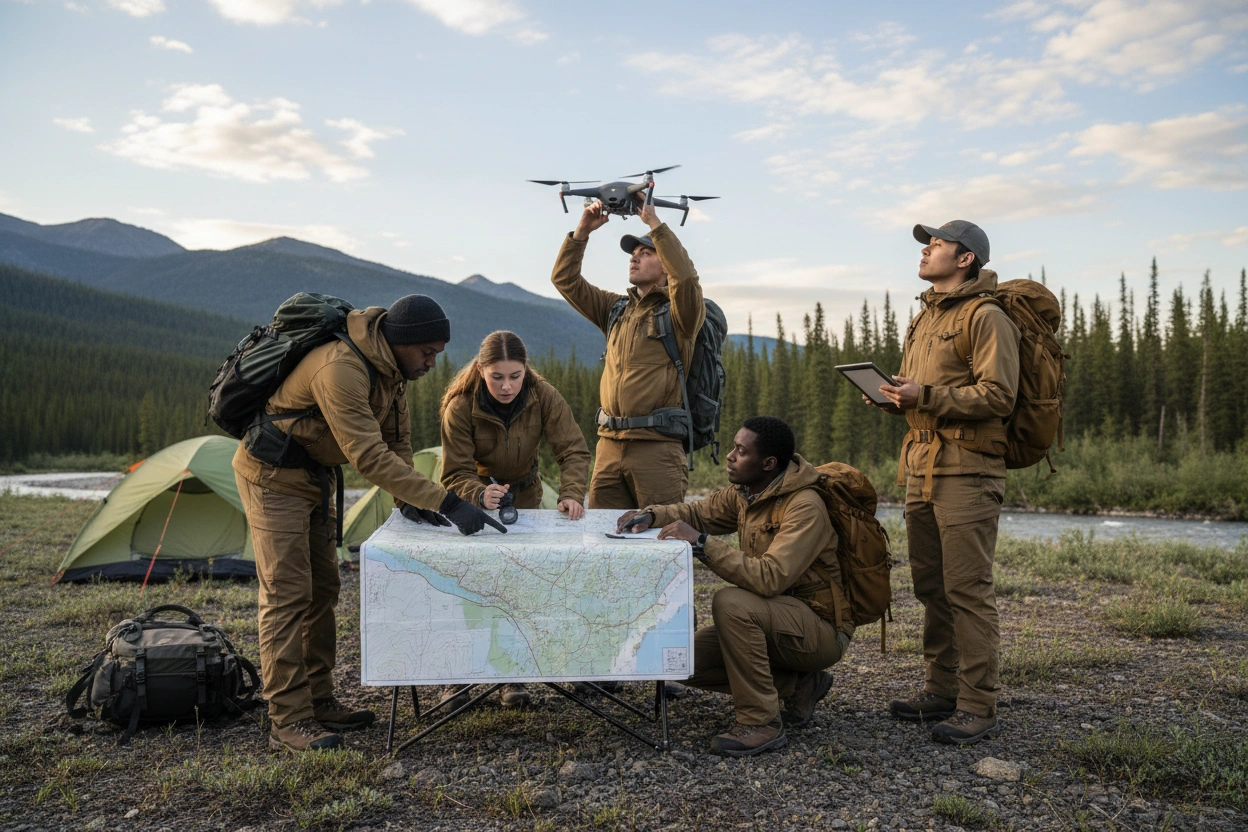
To capitalize on the lessons learned from fieldwork, organizations should develop training programs that reflect these insights.
Hands-On Workshops: Design workshops that simulate fieldwork scenarios, allowing team members to practice collaboration techniques in a controlled environment.
Mentorship Programs: Pair less experienced employees with mentors who have extensive field experience. This relationship can facilitate knowledge transfer and skill development.
Regular Reflection: Encourage teams to reflect on their field experiences regularly. This can be done through team meetings or dedicated reflection sessions.
By incorporating these best practices, organizations can create a more collaborative culture that benefits from the lessons learned in the field.
Fostering a Collaborative Culture
Creating a culture that prioritizes collaboration is essential for the effective application of work lessons from the field.
Value Team Input: Ensure that team members' contributions are recognized and valued. This can enhance morale and motivate individuals to collaborate more effectively.
Celebrate Successes: Acknowledge and celebrate team successes, no matter how small. This reinforces the importance of collaboration and encourages continued teamwork.
Provide Resources: Equip teams with the necessary tools and resources to collaborate effectively. This may include project management software, communication tools, or access to training materials.
A collaborative culture not only enhances team dynamics but also drives better outcomes for the organization.
Common Misconceptions about Fieldwork and Collaboration
Misconception: Fieldwork is Only for Technical Roles
A prevalent misconception is that fieldwork is only relevant for technical roles, such as engineers or construction workers. In reality, fieldwork lessons can apply across various sectors, including sales, customer service, and management. Any role that involves interaction with clients, customers, or stakeholders can benefit from insights gained in the field.
Misconception: Collaboration is Inherent
Another misconception is that collaboration comes naturally and does not require effort. While some individuals may be predisposed to collaborate effectively, most teams need to actively cultivate collaboration skills. This involves training, practice, and the implementation of strategies derived from work lessons in the field.
The Intersection of Work Lessons and Team Collaboration
As we have explored, work lessons from the field provide a rich source of knowledge that can significantly enhance team collaboration techniques. By understanding how field experiences shape professional growth, organizations can cultivate a more effective and collaborative workforce.
At Bigfoot Staffing, we recognize the importance of these insights and are committed to helping organizations apply these lessons to enhance their teams. Our staffing solutions are designed to connect businesses with professionals who possess the necessary field experience to drive collaboration and success.
If you are looking to improve your team's collaboration techniques through the application of work lessons from the field, contact Bigfoot Staffing today. We are here to help you build a stronger, more cohesive team that thrives in today's dynamic work environment.



Comments