How Work Lessons from the Field Inform Modern Recruitment Trends

Understanding the dynamics of recruitment in today's ever-evolving job market requires a keen awareness of the practical lessons learned from field experiences. As organizations strive to attract and retain top talent, the significance of "work lessons from the field" has gained unprecedented relevance. These lessons not only shape individual professional growth but also inform the recruitment strategies that organizations deploy to ensure they are hiring the right candidates.
In 2026, the landscape of recruitment is increasingly influenced by the practical insights gleaned from real-world experiences. This article delves into how fieldwork best practices inform modern recruitment trends, highlighting the importance of hands-on experience and its implications for hiring strategies.
The Importance of Field Experience in Recruitment

Field experience refers to the practical knowledge and skills that individuals acquire while working in real-world environments. This experience is invaluable in shaping not only the competencies of the workforce but also the strategies organizations use to recruit talent.
How Field Experience Shapes Professional Growth
Field experience plays a crucial role in the professional development of individuals. Here are several ways in which it contributes to growth:
Skill Development: Individuals who engage in fieldwork often acquire a diverse skill set that cannot be replicated in a classroom setting. For example, a construction worker may learn not just technical skills but also soft skills like teamwork and problem-solving through direct interaction with colleagues and clients.
Real-World Problem Solving: Field experiences expose individuals to real challenges that require immediate solutions. This hands-on approach fosters critical thinking and adaptability, qualities that are highly sought after in any recruitment process.
Networking Opportunities: Engaging in fieldwork allows professionals to build networks within their industry. These connections can be beneficial for both personal growth and organizational recruitment, as referrals often lead to higher-quality hires.
Cultural Understanding: Field experiences often involve diverse teams and clients, giving individuals a deeper understanding of cultural dynamics. This awareness is crucial for organizations aiming to build inclusive workplaces and attract a varied talent pool.
Feedback Mechanisms: Fieldwork often includes immediate feedback loops from supervisors and peers. This feedback is essential for continuous improvement and helps individuals refine their skills, making them more appealing candidates.
Integrating Fieldwork Insights into Recruitment Strategies
Organizations can leverage insights from field experiences to enhance their recruitment strategies significantly. Here are some effective approaches:
Behavioral Interviewing: By incorporating behavioral interview techniques, recruiters can assess candidates’ past experiences and how they have applied their field lessons to overcome challenges. This method allows organizations to gauge the practical application of skills rather than just theoretical knowledge.
Simulation-Based Assessments: Implementing assessment centers that simulate real-world scenarios allows employers to observe candidates in action. This approach can reveal how well candidates apply their field lessons in a controlled environment.
Competency-Based Job Descriptions: Crafting job descriptions that focus on the competencies gained through field experiences helps attract candidates who not only meet educational requirements but also possess practical skills.
Employee Value Proposition (EVP): Highlighting the organization’s commitment to valuing field experience within the EVP can attract candidates who understand the importance of real-world skills. This can include emphasizing growth opportunities that stem from hands-on work.
Mentorship Programs: Establishing mentorship programs that pair experienced field professionals with new hires can help transfer valuable lessons learned in the field, enhancing the onboarding process and overall employee satisfaction.
Common Misconceptions About Field Experience

While the benefits of field experience are clear, several misconceptions can hinder organizations from fully leveraging these insights.
Misconception 1: Field Experience is Only for Manual Labor Roles
One of the most pervasive myths is that field experience is relevant only to manual labor roles. In reality, professionals across various industries, including technology, healthcare, and finance, benefit from fieldwork. For instance, IT professionals can gain invaluable insights by working on-site with clients, understanding their needs and challenges firsthand.
Misconception 2: Formal Education is More Important
While formal education is essential, it often does not provide the same depth of understanding that fieldwork offers. Employers increasingly recognize that candidates with practical experience may outperform those with only theoretical knowledge. This shift has led to more organizations valuing experiential learning and practical skills in their recruitment criteria.
Misconception 3: Field Experience is Not Transferable
Another common misconception is that field experiences are too specific to be transferable across different roles. However, many skills acquired in one field can be adapted to another. For example, a project manager in construction can apply their organizational and leadership skills to a project management role in technology.
Best Practices for Harnessing Field Lessons in Recruitment
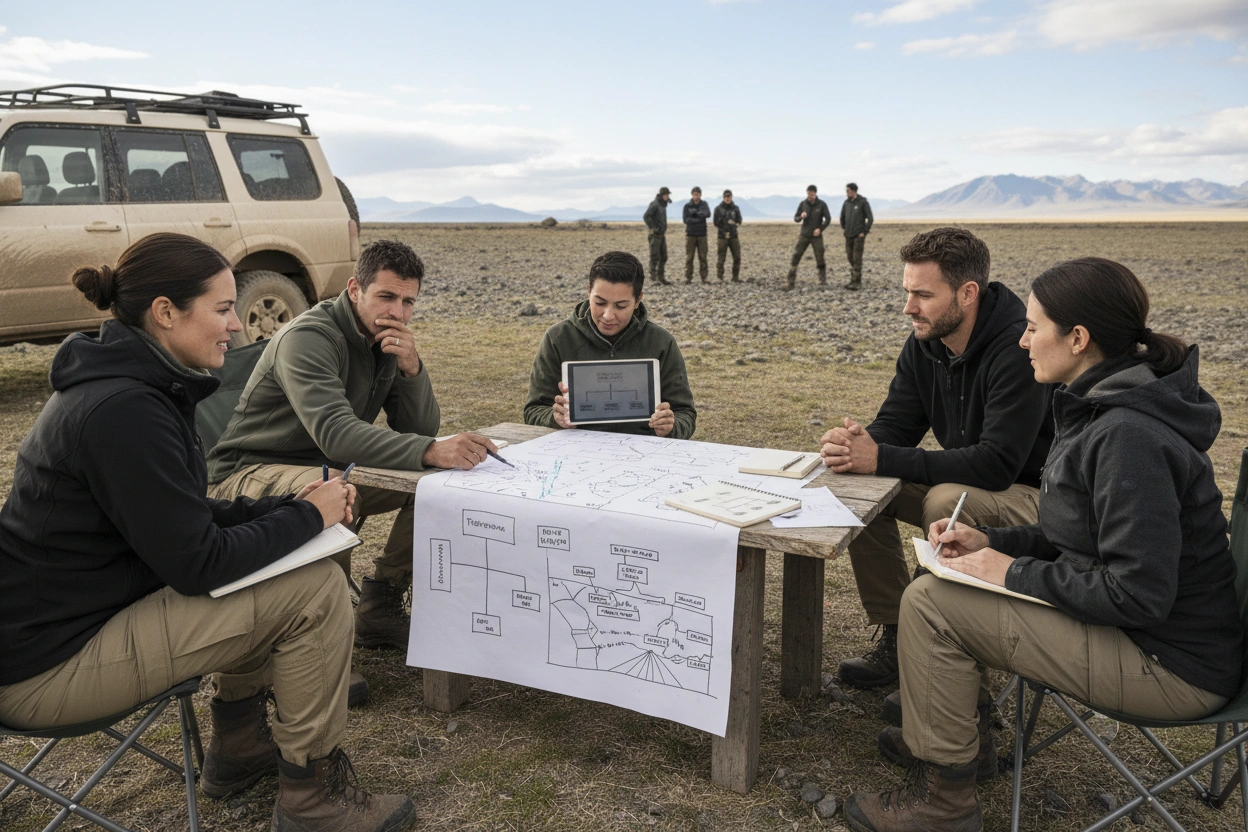
To effectively integrate work lessons from the field into recruitment strategies, organizations should adopt the following best practices:
Emphasize Soft Skills
While technical skills are essential, soft skills such as communication, teamwork, and adaptability often make the difference in hiring decisions. Recruiters should assess candidates for these skills, recognizing that they are often honed through field experiences.
Foster a Culture of Continuous Learning
Encouraging a culture of continuous learning and professional development helps organizations stay competitive. By promoting ongoing education and training, employers can attract candidates who value growth and development, further enriching the company culture.
Utilize Diverse Recruitment Channels
To reach a broader audience and tap into diverse talent pools, organizations should utilize various recruitment channels. Engaging in community outreach, attending industry conferences, and leveraging social media can help connect with potential candidates who possess valuable field experience.
Implement Robust Onboarding Processes
A well-structured onboarding process that incorporates lessons from field experiences can significantly impact employee retention. By providing new hires with opportunities to learn from seasoned professionals, organizations can enhance job satisfaction and performance.
Leverage Technology
Incorporating technology into the recruitment process can streamline operations and improve candidate engagement. Utilizing applicant tracking systems, video interviews, and AI-driven assessments can enhance the efficiency of recruitment efforts while allowing for a more personalized candidate experience.
The Evolving Role of Recruiters
As the recruitment landscape continues to evolve, recruiters must adapt to the changing needs of organizations and candidates alike. Here are some key shifts that are shaping the role of recruiters today:
Focus on Cultural Fit
In 2026, organizations are increasingly prioritizing cultural fit in their hiring processes. Recruiters are tasked with identifying candidates whose values align with the organization's mission and culture. This shift emphasizes the importance of understanding the lessons learned from the field, as these experiences often shape an individual's professional values.
Data-Driven Decision Making
Recruiters are leveraging data analytics to inform their hiring decisions. By analyzing trends in candidate performance and retention rates, organizations can refine their recruitment strategies to better align with the lessons learned from field experiences.
Emphasis on Employer Branding
A strong employer brand is essential for attracting top talent. Recruiters must communicate the organization's commitment to valuing field experiences and practical skills, thereby positioning the company as an employer of choice.
The Intersection of Practical Experience and Recruitment Strategies
The insights gained from work lessons in the field are invaluable in shaping recruitment trends. As organizations continue to adapt to the evolving job market, the emphasis on practical experience will remain a cornerstone of successful hiring strategies.
Bigfoot Staffing recognizes the importance of these work lessons from the field and is committed to helping organizations find candidates who not only possess the necessary qualifications but also bring valuable real-world insights to the table. By focusing on fieldwork best practices, Bigfoot Staffing can assist in building a workforce that thrives on practical experience and cultural alignment.
Embrace the Future of Recruitment with Bigfoot Staffing
In conclusion, understanding how work lessons from the field inform modern recruitment trends is essential for organizations aiming to stay competitive. By integrating fieldwork insights into hiring strategies, companies can attract and retain top talent while fostering a culture of continuous learning and professional growth.
To explore how Bigfoot Staffing can help your organization leverage these insights and enhance your recruitment efforts, contact Bigfoot Staffing today. Let us assist you in building a team that embodies the lessons learned from the field, driving your organization towards greater success.


Comments