Practical Team Collaboration Techniques Rooted in Work Lessons from the Field
- Jeremy Nelson
- 4 days ago
- 5 min read

In today's fast-paced work environment, the importance of effective team collaboration cannot be overstated. As organizations continue to adapt to technological advancements and shifting market demands, the lessons learned from fieldwork become invaluable. These work lessons from the field not only inform best practices but also shape professional growth and team dynamics. This article delves into practical collaboration techniques that draw from real-world experiences, providing actionable insights to enhance team performance.
Understanding the Value of Fieldwork Experience
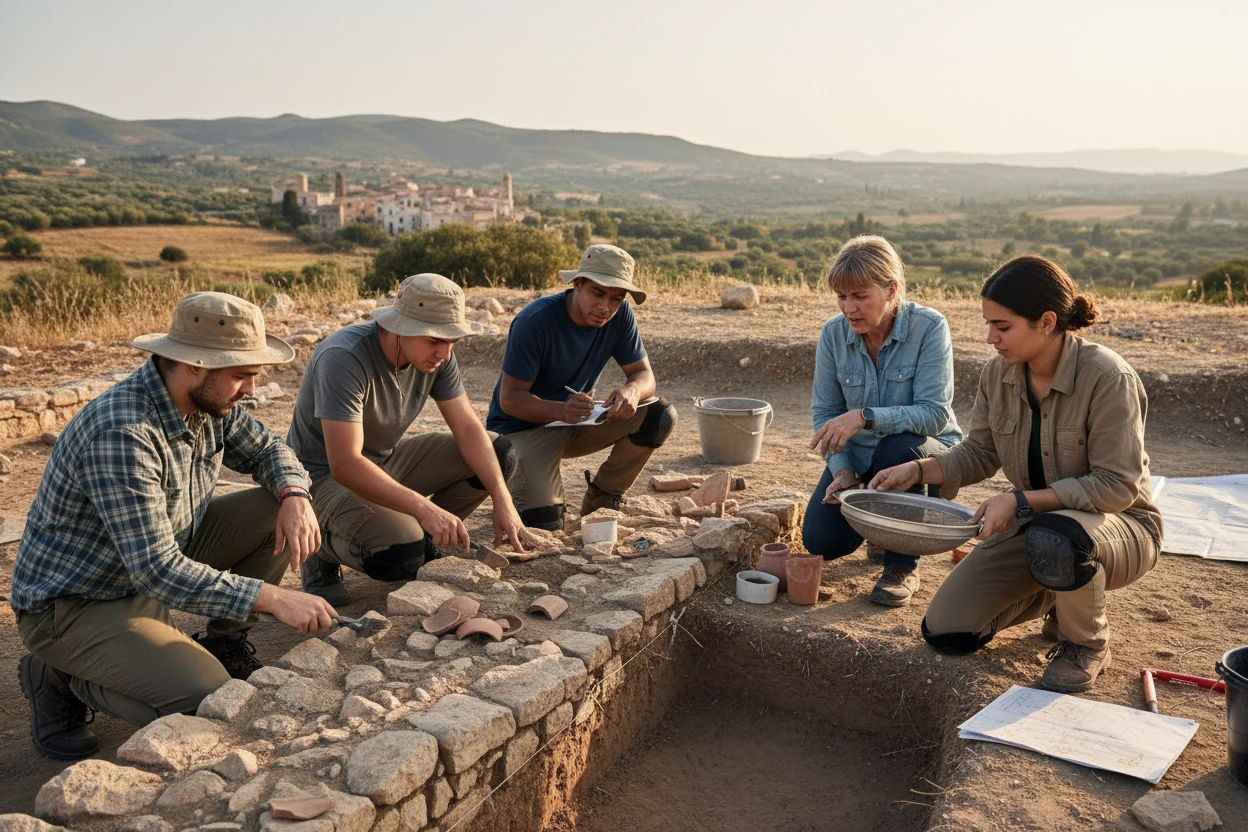
Fieldwork offers unique insights that are often overlooked in traditional office settings. Engaging directly with tasks, clients, and the environment allows team members to gain firsthand knowledge that is crucial for informed decision-making.
How Field Experience Enhances Problem-Solving Skills
Fieldwork provides team members with the opportunity to encounter and tackle real challenges. This hands-on experience sharpens problem-solving skills and fosters a proactive mindset. When team members work on-site, they learn to assess situations quickly and develop effective solutions. This ability to think on their feet translates into improved collaboration within teams, as members become more adaptable and resourceful.
Exposure to diverse scenarios enhances critical thinking.
Team members learn to communicate effectively under pressure.
Real-time feedback from peers and supervisors promotes continuous learning.
Building Stronger Team Bonds through Shared Experiences
Fieldwork encourages collaboration through shared experiences. When team members work together in challenging environments, they develop a sense of camaraderie that strengthens their relationships. This bond is essential for effective communication and collaboration, as team members are more likely to support one another and share insights.
Engaging in team-building activities fosters trust.
Working together in high-pressure situations cultivates resilience.
Shared successes lead to increased motivation and morale.
Practical Collaboration Techniques from Fieldwork
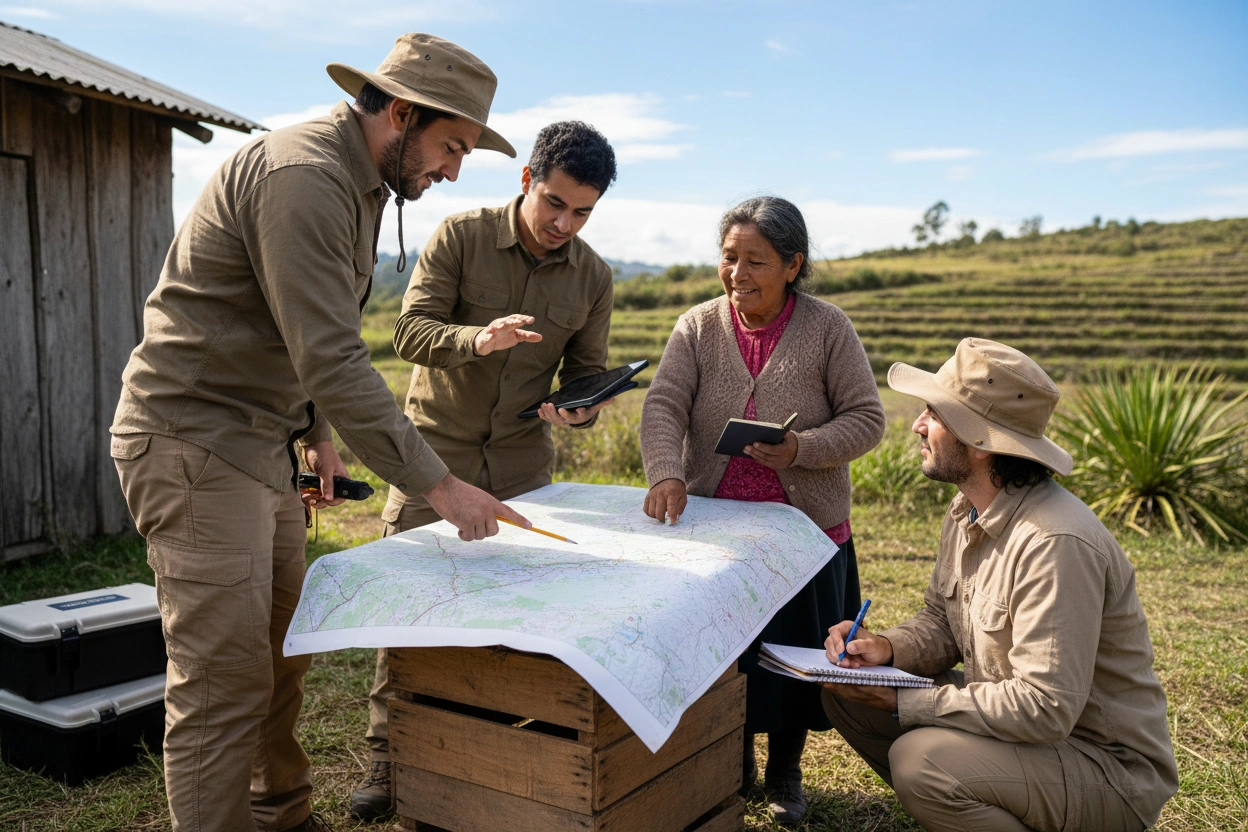
Implementing collaboration techniques that draw from fieldwork lessons can significantly enhance team dynamics. Here are several strategies that teams can adopt to improve their collaboration efforts.
1. Foster Open Communication
Clear communication is the cornerstone of effective teamwork. Teams should establish protocols that encourage open dialogue, enabling members to express their ideas, concerns, and feedback.
Create regular check-ins to facilitate discussions.
Utilize collaborative tools like Slack or Microsoft Teams for real-time communication.
Encourage team members to share their insights and experiences.
2. Emphasize Goal Alignment
Aligning team goals with organizational objectives is crucial for ensuring that everyone is working towards a common purpose. This alignment fosters collaboration and motivates team members to contribute their best efforts.
Set SMART goals (Specific, Measurable, Achievable, Relevant, Time-bound) for the team.
Regularly review progress and adjust goals as necessary.
Celebrate milestones to maintain motivation and engagement.
3. Leverage Technology for Collaboration
Incorporating technology into collaboration processes can streamline workflows and enhance team efficiency. Tools and platforms designed for collaboration can bridge geographical gaps and facilitate seamless communication.
Utilize project management tools like Trello or Asana for task tracking.
Implement video conferencing tools to maintain face-to-face interactions.
Share documents through cloud storage solutions like Google Drive for easy access.
4. Encourage Cross-Functional Collaboration
Promoting collaboration across different functions within an organization can lead to innovative solutions and diverse perspectives. This approach allows teams to leverage each other's strengths and expertise.
Organize cross-functional workshops to foster collaboration.
Create mixed teams for specific projects to encourage knowledge sharing.
Establish mentorship programs that pair employees from different departments.
5. Recognize and Reward Collaboration
Acknowledging collaborative efforts is essential for reinforcing positive behavior within teams. Recognition not only boosts morale but also encourages continued collaboration.
Implement a recognition program that celebrates teamwork.
Share success stories in company newsletters to highlight collaborative achievements.
Encourage peer-to-peer recognition to strengthen team bonds.
Common Misconceptions about Team Collaboration

While the importance of collaboration is widely acknowledged, several misconceptions can hinder effective teamwork. Understanding these myths can help teams navigate potential pitfalls.
Misconception 1: Collaboration is Only About Meetings
Many believe that collaboration is solely about attending meetings and discussing projects. However, effective collaboration extends beyond scheduled gatherings. It involves ongoing communication, shared responsibilities, and a culture of support.
Misconception 2: Only Certain Personalities Excel in Collaborative Settings
Another common misconception is that only extroverted or outgoing individuals can thrive in collaborative environments. In reality, collaboration can be effective with diverse personality types. Introverted team members can offer valuable insights and contribute to discussions in their own ways.
Misconception 3: Technology Alone Can Solve Collaboration Issues
While technology can enhance collaboration, it is not a panacea. Teams must also cultivate a culture of openness and trust to reap the benefits of collaborative tools. Technology should complement, not replace, interpersonal communication.
How Field Experience Shapes Professional Growth
Fieldwork not only enhances collaboration but also plays a crucial role in individual professional development. The skills acquired through field experiences are transferable and can lead to significant career advancement.
Developing Leadership Skills through Fieldwork
Field experiences often place individuals in leadership roles, even if informally. This exposure to leadership challenges fosters growth and prepares team members for future roles.
Team members learn to make decisions under pressure.
Fieldwork encourages individuals to take initiative and lead projects.
Overcoming obstacles in the field builds confidence and resilience.
Enhancing Adaptability and Flexibility
The dynamic nature of fieldwork necessitates adaptability. Team members learn to pivot quickly in response to changing circumstances, a skill that is invaluable in today’s ever-evolving work landscape.
Exposure to unexpected challenges cultivates resourcefulness.
Learning to adjust strategies based on real-time feedback enhances flexibility.
Team members become more comfortable with uncertainty and ambiguity.
Cultivating a Continuous Learning Mindset
Fieldwork instills a culture of continuous learning. Team members are encouraged to seek new knowledge, skills, and experiences, contributing to their personal and professional growth.
Regularly reflecting on field experiences promotes self-awareness.
Seeking feedback fosters a growth mindset.
Engaging in ongoing training and development opportunities enhances skills.
The Role of Bigfoot Staffing in Supporting Collaboration
As organizations strive to implement these practical collaboration techniques, partnering with the right staffing solutions can make a significant difference. Bigfoot Staffing specializes in connecting businesses with skilled professionals who bring valuable fieldwork experience to the table.
By leveraging the insights from work lessons from the field, Bigfoot Staffing can help organizations build teams that are not only capable of effective collaboration but also equipped with the skills needed to thrive in a competitive landscape.
Building Stronger Teams with Bigfoot Staffing
Bigfoot Staffing understands the nuances of team dynamics and the importance of field experience in shaping professional growth. By providing access to a diverse talent pool, they empower organizations to build teams that are adaptable, innovative, and collaborative.
Enhancing Collaboration through Expert Staffing Solutions
With a focus on matching the right candidates to specific organizational needs, Bigfoot Staffing ensures that teams are not only equipped with the right skills but also have the collaborative mindset necessary for success.
Embracing Work Lessons from the Field for Future Success
The insights gained from work lessons from the field serve as a powerful foundation for enhancing team collaboration. By implementing practical techniques rooted in real-world experiences, organizations can foster a culture of teamwork that drives performance and innovation.
For those looking to strengthen their teams and improve collaboration, consider reaching out to Bigfoot Staffing. By connecting with their expertise, you can ensure that your organization is equipped with the right talent to navigate the challenges of the modern work environment.
Contact Bigfoot Staffing today to explore how they can support your team in achieving collaborative success.


Comments