Skills Development in the Workplace: Key Work Lessons from the Field
- Jeremy Nelson
- 3 days ago
- 6 min read

In today's competitive job market, professional growth is not solely dictated by formal education or training programs. Instead, a significant portion of learning and skills development occurs through hands-on experiences, often referred to as fieldwork. The lessons learned from engaging directly with real-world challenges provide invaluable insights that can shape a professional's career trajectory. This article delves into the key work lessons from the field, illustrating how field experience fosters professional development, enhances skill sets, and contributes to overall workplace success.
How Field Experience Shapes Professional Growth

Field experience serves as a powerful catalyst for professional growth, offering a unique blend of practical knowledge and soft skills that cannot be acquired through traditional classroom settings. Engaging in fieldwork allows individuals to apply theoretical concepts to real-world situations, fostering deeper understanding and retention of knowledge. The dynamic nature of fieldwork also encourages adaptability, critical thinking, and problem-solving, essential traits in today's fast-paced work environments.
Practical Application of Theoretical Knowledge
One of the most significant benefits of field experience is the opportunity to apply theoretical knowledge in practical settings. This hands-on approach to learning enables professionals to see the direct impact of their decisions and actions. For example, a marketing graduate may learn about consumer behavior in a classroom but truly understand its nuances by participating in market research initiatives. This immersion allows for:
- Greater retention of information
- Enhanced problem-solving skills
- Real-time feedback on strategies
By working directly with clients, products, or projects, individuals can better grasp the complexities of their field, leading to improved performance and confidence in their abilities.
Development of Soft Skills
Fieldwork not only sharpens technical skills but also cultivates essential soft skills that are increasingly valued by employers. Skills such as communication, teamwork, and leadership are often honed through collaborative field experiences. Engaging with diverse teams and clients exposes professionals to various perspectives, enhancing their ability to work effectively in multicultural environments. Key soft skills developed include:
- Effective Communication: Articulating ideas clearly and persuasively is essential in field settings.
- Team Collaboration: Learning to work with others toward a common goal fosters camaraderie and improves project outcomes.
- Leadership: Taking initiative in fieldwork situations can develop leadership qualities that are crucial for career advancement.
These soft skills are often the differentiators between candidates in competitive job markets, making field experience a valuable asset.
Embracing Fieldwork Best Practices
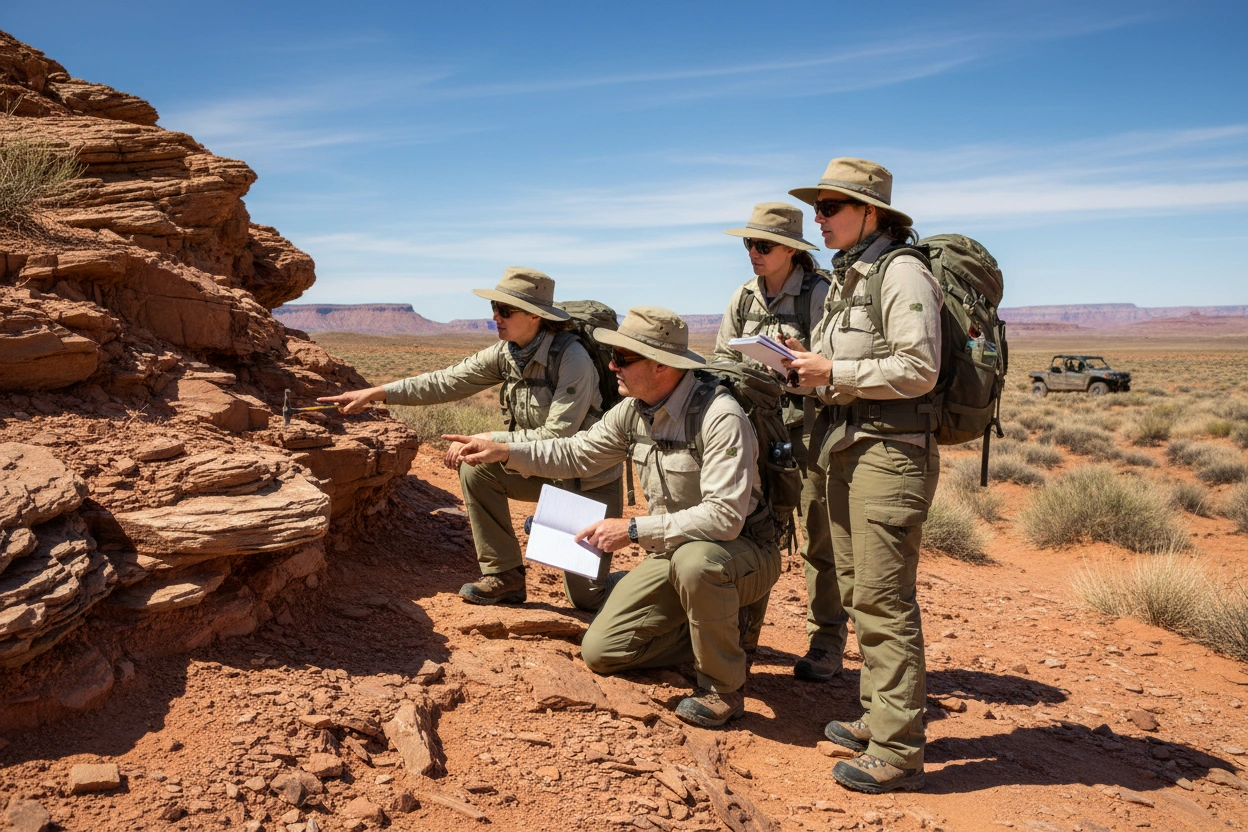
To maximize the benefits of field experience, professionals must embrace certain best practices that enhance learning and development. Implementing these strategies can significantly improve the outcomes of fieldwork engagements.
Setting Clear Goals
Before embarking on fieldwork, it is essential to establish clear, measurable objectives. These goals provide direction and focus, allowing individuals to assess their progress and success. Consider the following steps when setting goals for fieldwork:
- Identify specific skills or knowledge areas to develop.
- Set realistic timelines for achieving these goals.
- Regularly review and adjust goals based on ongoing experiences and feedback.
By maintaining a clear sense of purpose, professionals can ensure that their field experiences contribute meaningfully to their growth.
Seeking Feedback and Mentorship
Feedback is a crucial component of the learning process. Engaging with mentors and seeking constructive criticism can help professionals identify areas for improvement and refine their skills. Here are effective strategies for obtaining feedback:
- Regular Check-Ins: Schedule consistent meetings with supervisors or mentors to discuss progress and challenges.
- Peer Reviews: Collaborate with colleagues to provide mutual feedback on performance.
- Self-Reflection: Take time to assess personal experiences and identify lessons learned.
This feedback loop encourages continuous learning and adaptation, ensuring that individuals remain on the path to professional growth.
Networking and Relationship Building
Fieldwork often presents unique opportunities to build professional networks and relationships. Engaging with industry professionals, clients, and colleagues can lead to valuable connections that may benefit career advancement. Effective networking strategies include:
- Participating in Industry Events: Attend conferences, workshops, and seminars to meet key players in the field.
- Leveraging Social Media: Use platforms like LinkedIn to connect with professionals and share insights from field experiences.
- Joining Professional Organizations: Become a member of relevant associations to expand your network and access resources.
Building a robust professional network can provide support, mentorship, and potential job opportunities.
Common Misconceptions about Fieldwork
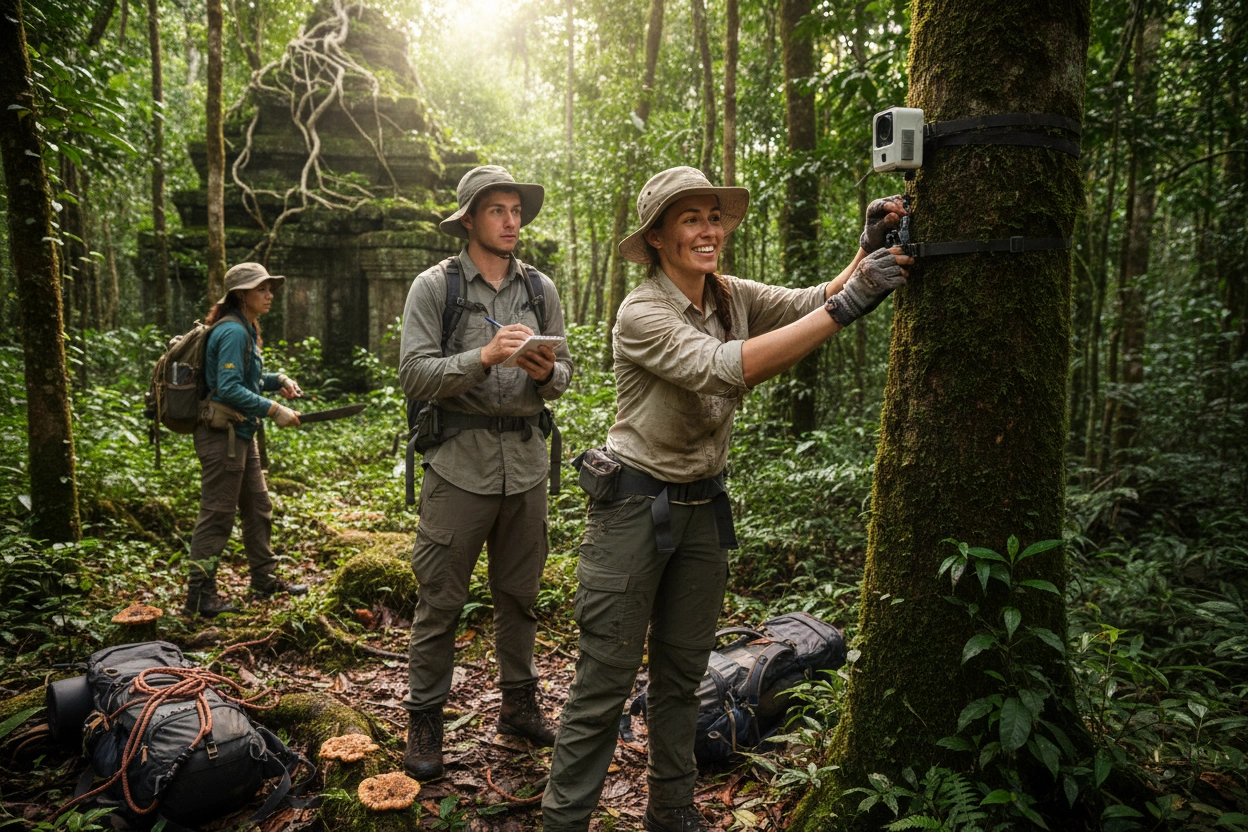
Despite the numerous benefits associated with fieldwork, several misconceptions can deter individuals from pursuing such experiences. Addressing these misunderstandings can empower professionals to embrace fieldwork as a vital component of their career development.
Fieldwork is Only for Entry-Level Positions
Many believe that fieldwork is primarily reserved for entry-level roles or internships. However, professionals at all stages of their careers can benefit from field experiences. Even seasoned employees can find value in engaging with new projects or industries, as it fosters continuous learning and adaptation.
Field Experience Lacks Structure
Another misconception is that fieldwork is unstructured and lacks guidance. In reality, many organizations implement structured fieldwork programs that provide clear objectives, mentorship, and support. Engaging in these structured programs can enhance the learning experience and ensure that individuals gain valuable skills.
Field Experience is Time-Consuming
While fieldwork may require a significant time investment, the long-term benefits often outweigh the short-term costs. The skills and insights gained through field experiences can lead to increased productivity, better job performance, and enhanced career prospects, ultimately justifying the time spent.
Actionable Insights for Maximizing Fieldwork Experience
To fully leverage fieldwork opportunities, professionals should adopt specific strategies that can enhance their learning and development. These actionable insights will empower individuals to make the most of their field experiences.
Embrace a Growth Mindset
A growth mindset is essential for maximizing fieldwork experiences. Embracing challenges, persisting through difficulties, and viewing failures as learning opportunities fosters resilience and adaptability. Consider the following approaches to cultivate a growth mindset:
- Stay Open to New Experiences: Be willing to step outside of your comfort zone and take on unfamiliar tasks.
- Learn from Mistakes: Reflect on failures and identify lessons that can be applied in future situations.
- Celebrate Progress: Acknowledge and appreciate small victories along the way to maintain motivation.
Document Your Experiences
Keeping a detailed record of fieldwork experiences can facilitate reflection and growth. Regularly documenting insights, challenges, and skills learned can serve as a valuable resource for future reference. Consider the following methods for documenting experiences:
- Maintain a Journal: Write about daily experiences, focusing on lessons learned and areas for improvement.
- Create a Portfolio: Compile evidence of completed projects, including reports, presentations, and feedback received.
- Share Insights: Discuss experiences with colleagues or mentors to reinforce learning and gain new perspectives.
Prioritize Lifelong Learning
Fieldwork is just one aspect of professional development. Committing to lifelong learning ensures that individuals remain competitive and adaptable in their fields. Strategies to prioritize lifelong learning include:
- Pursuing Additional Certifications: Seek relevant certifications that enhance skills and knowledge.
- Attending Workshops and Conferences: Stay updated on industry trends and best practices by participating in professional development events.
- Engaging in Online Learning: Utilize online courses and resources to acquire new skills at your own pace.
The Impact of Fieldwork on Career Success
Ultimately, the skills and lessons gained from fieldwork can significantly impact career success. By applying the insights and best practices discussed, individuals can position themselves as valuable assets in their organizations. The integration of fieldwork experiences into a professional portfolio not only enhances employability but also fosters personal growth and fulfillment.
Real-World Applications of Fieldwork Lessons
Fieldwork experiences can lead to practical applications in various industries. For instance, in the construction sector, hands-on experience allows workers to understand safety protocols, project management, and team dynamics, which are critical for successful project execution. Similarly, in healthcare, clinical placements provide invaluable patient interaction experiences that shape future practitioners' approaches to care.
The Role of Employers in Supporting Fieldwork
Employers play a crucial role in facilitating fieldwork experiences for their employees. Organizations that prioritize skills development through structured fieldwork initiatives not only enhance employee satisfaction but also improve overall productivity. Key strategies for employers include:
- Creating Internship and Apprenticeship Programs: Develop programs that provide hands-on experience for new entrants.
- Encouraging Job Rotation: Allow employees to experience different roles within the organization to broaden their skill sets.
- Providing Professional Development Resources: Invest in training and development opportunities that support fieldwork engagement.
The Intersection of Skills Development and Workforce Success
Understanding the work lessons from the field can profoundly impact skills development in the workplace. Professionals who actively seek field experiences are better equipped to navigate the complexities of their industries and achieve career success. Bigfoot Staffing recognizes the importance of these experiences in shaping future talent.
By fostering an environment that encourages fieldwork engagement and continuous learning, organizations can cultivate a workforce that is adaptable, skilled, and ready to tackle emerging challenges. The lessons learned from the field not only enrich individual careers but also contribute to the overall success of the organization.
For those looking to enhance their skills and embrace the work lessons from the field, Bigfoot Staffing is here to help. Whether you're seeking opportunities for field experience or looking to build a talented workforce, our team is dedicated to supporting your journey.
Contact Bigfoot Staffing today to explore how we can assist you in applying the valuable lessons learned from the field to elevate your career or strengthen your team.


Comments