Team Collaboration Techniques: Insights from Work Lessons in the Field
- Jeremy Nelson
- 8 hours ago
- 5 min read

In the dynamic landscape of modern workplaces, the lessons learned from fieldwork are invaluable for fostering collaboration and enhancing team performance. These practical insights not only shape individual professional growth but also influence how teams operate and achieve their goals. The experiences garnered in real-world settings offer unique perspectives that can transform theoretical knowledge into actionable strategies. In this article, we delve into the work lessons from the field that can significantly enhance team collaboration, offering a comprehensive guide to leveraging these insights effectively.
Understanding the Importance of Fieldwork in Professional Development
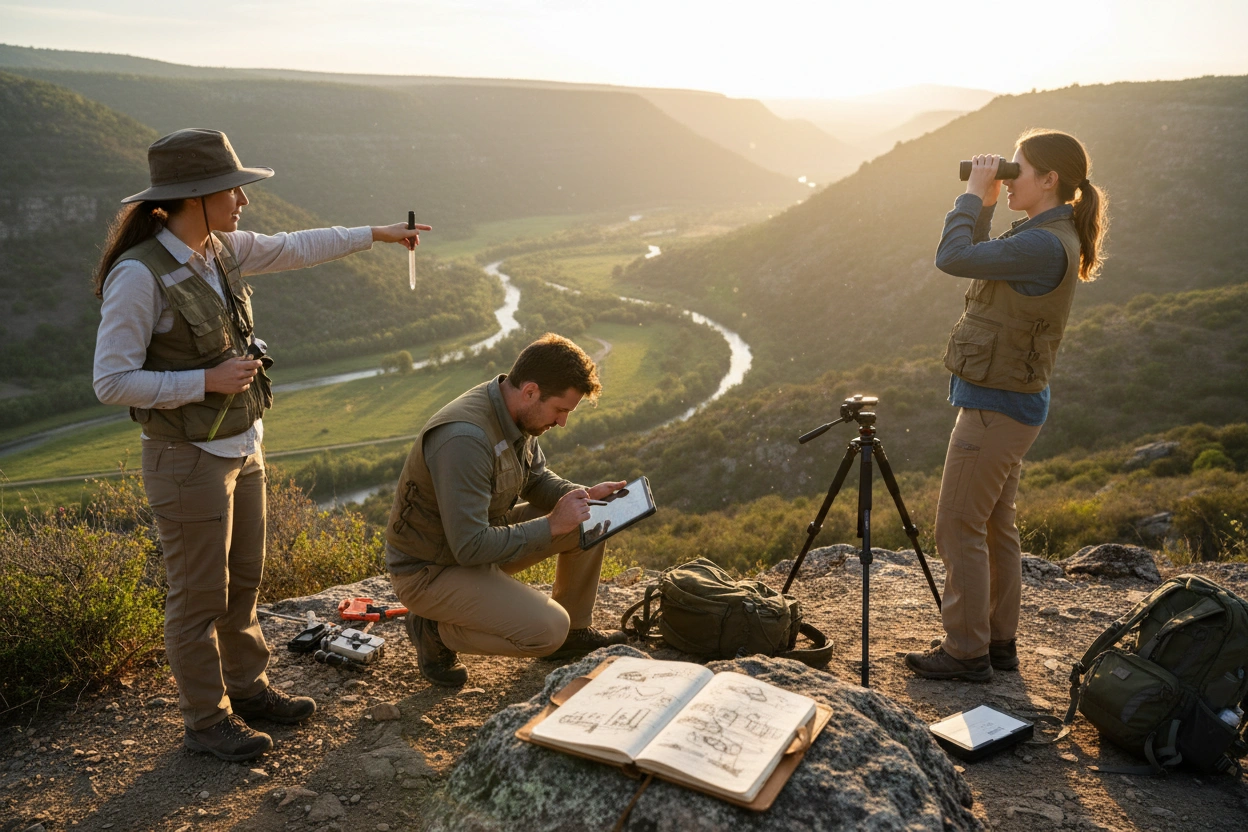
Fieldwork is often seen as a mere practical application of theoretical knowledge. However, its true value lies in the rich experiences and lessons it offers, which contribute to professional development. Engaging directly with tasks allows individuals to confront real-world challenges, fostering resilience and adaptability—two essential traits for effective teamwork.
The Role of Hands-On Experience
Hands-on experience equips team members with practical skills that are often overlooked in traditional training environments. For instance, consider a team of construction workers. By working on-site, they learn not only the technical aspects of their roles but also the importance of communication, coordination, and trust among team members. This direct engagement leads to a deeper understanding of each other's strengths and weaknesses, ultimately enhancing collaboration.
Fieldwork cultivates problem-solving skills as individuals encounter and address unexpected challenges.
It fosters empathy among team members, as they gain insights into each other's roles and responsibilities.
Team dynamics improve as members learn to rely on one another, building a strong sense of camaraderie.
Lessons in Communication and Collaboration
Fieldwork experiences highlight the critical nature of communication within a team. Misunderstandings can lead to costly mistakes, making clear and effective communication paramount. Teams that engage in fieldwork often develop communication protocols that streamline interactions and improve efficiency.
Establishing regular check-ins to discuss progress and challenges.
Utilizing collaborative tools that facilitate real-time communication.
Encouraging open dialogue where team members feel safe to share ideas and concerns.
By applying these communication techniques, teams can mitigate risks and enhance their collaborative efforts, leading to improved project outcomes.
Fieldwork Best Practices for Enhancing Team Collaboration
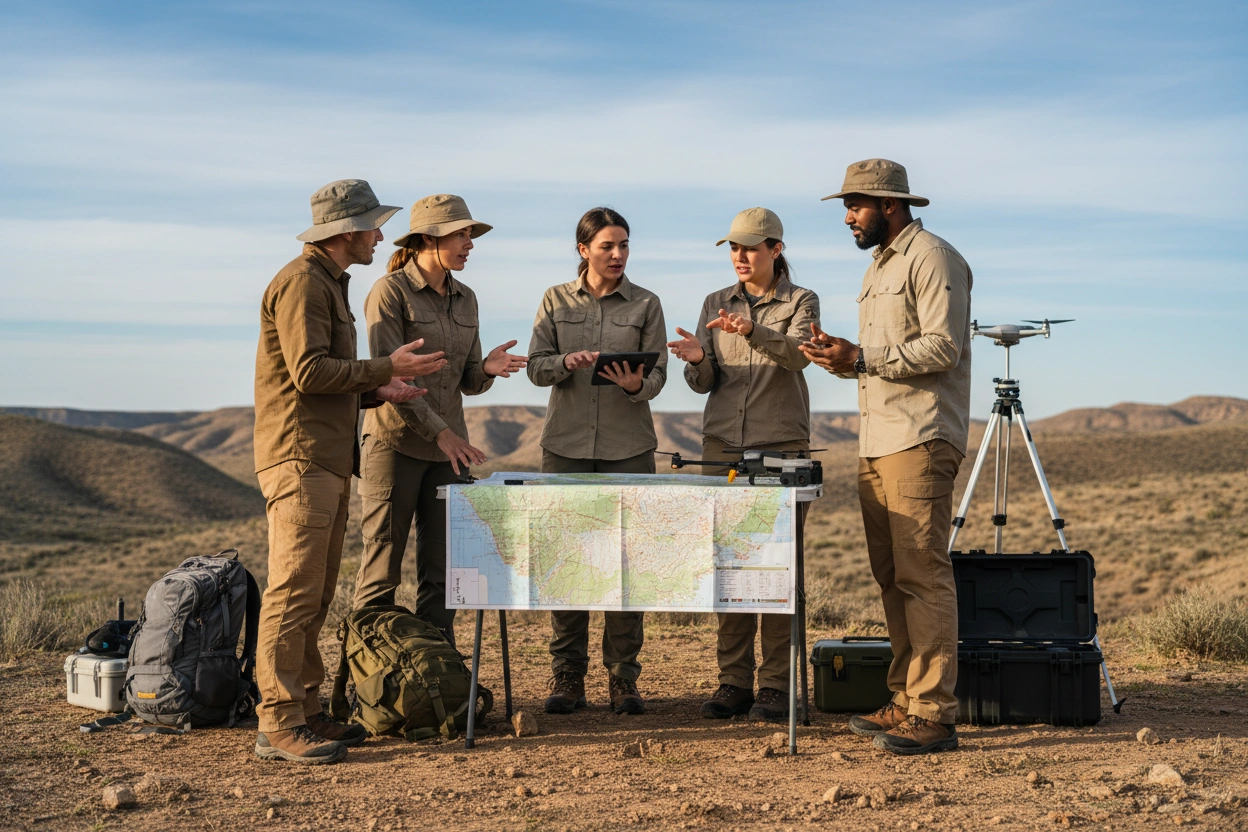
Implementing best practices derived from fieldwork experiences can significantly boost team collaboration. These strategies help bridge gaps in communication, improve workflow, and create a more cohesive team environment.
Emphasizing Team Roles and Responsibilities
Clearly defining roles and responsibilities is fundamental to successful collaboration. When team members understand their specific contributions, it minimizes overlap and confusion, allowing for smoother operations. Here are some best practices to consider:
Develop a detailed project outline that specifies each member's responsibilities.
Use visual aids, such as charts or diagrams, to illustrate team structure and individual roles.
Regularly revisit and adjust roles as projects evolve to ensure alignment with team goals.
Encouraging Continuous Feedback and Improvement
Fieldwork teaches teams the importance of feedback in fostering growth. Constructive criticism should be viewed as an opportunity for improvement rather than a personal attack. Establishing a culture of continuous feedback can lead to enhanced performance and collaboration.
Schedule regular feedback sessions where team members can share insights on processes and outcomes.
Create a system for anonymous feedback to encourage honesty and openness.
Recognize and celebrate improvements and successes to motivate team members.
By integrating a feedback loop into team practices, organizations can cultivate an environment where collaboration thrives.
Building Trust Through Shared Experiences
One of the most effective ways to enhance team collaboration is by building trust among team members. Shared experiences, particularly those gained through fieldwork, can strengthen bonds and create a supportive atmosphere. Here are ways to foster trust:
Engage in team-building activities that simulate real-world challenges.
Encourage shadowing opportunities where team members can learn from each other.
Organize social events to promote personal connections outside of work-related tasks.
Trust is the foundation of effective collaboration; when team members feel secure in their relationships, they are more likely to share ideas and take risks.
Overcoming Common Misconceptions about Fieldwork and Team Collaboration
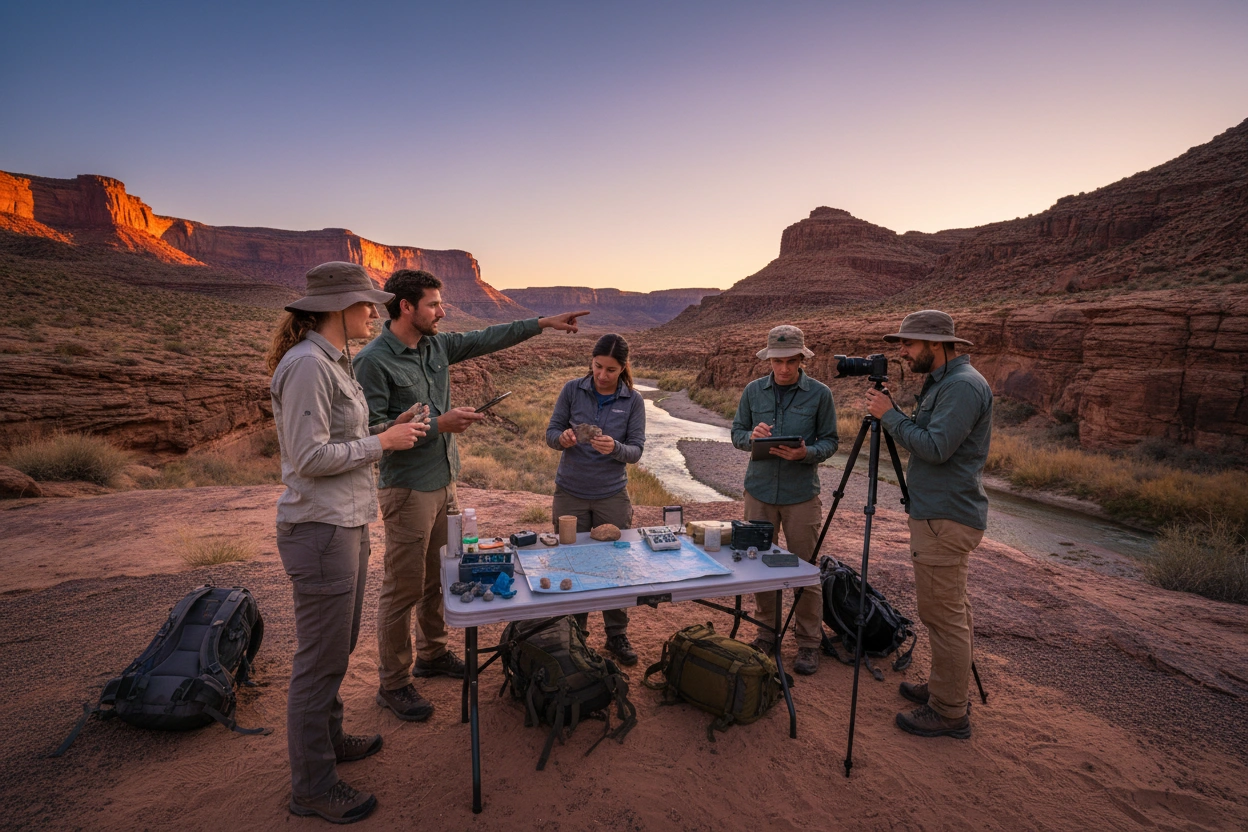
Despite the clear benefits of fieldwork, misconceptions can hinder its effectiveness in enhancing team collaboration. Addressing these misunderstandings is vital for organizations aiming to leverage field lessons.
Misconception: Fieldwork is Only for Entry-Level Employees
A common misconception is that fieldwork is primarily the domain of entry-level employees. In reality, professionals at all levels can benefit from engaging in field experiences. Senior leaders, for instance, can gain invaluable insights into the challenges faced by their teams, allowing them to make more informed decisions.
Encourage all team members to participate in fieldwork, regardless of their position.
Promote a culture where leaders are accessible and involved in day-to-day operations.
Highlight success stories from various levels of the organization to demonstrate the value of hands-on experience.
Misconception: Fieldwork is Time-Consuming and Distracting
Some organizations view fieldwork as a time-consuming distraction from core responsibilities. However, investing time in field experiences often leads to long-term efficiencies and improved team dynamics.
Develop a structured approach to fieldwork that aligns with project goals and timelines.
Integrate fieldwork into regular workflows to minimize disruption.
Measure the impact of field experiences on team performance to demonstrate their value.
By reframing the narrative around fieldwork, organizations can encourage more team members to embrace these valuable experiences.
Practical Steps to Implement Work Lessons from the Field
To truly harness the insights gained from fieldwork, organizations must take actionable steps to implement these lessons into their daily practices. Here are key steps to consider:
Conduct a needs assessmentto identify areas where fieldwork lessons can be applied.
Develop training programsthat incorporate fieldwork experiences into professional development.
Create a mentorship programpairing seasoned professionals with newer team members to share insights and experiences.
By systematically implementing these steps, organizations can create a culture that values continuous learning and collaboration.
The Intersection of Team Collaboration and Professional Growth
The insights gained from work lessons in the field not only enhance team collaboration but also contribute to individual professional growth. As team members learn from their experiences, they develop skills that are transferable across various roles and industries.
Fostering a Culture of Learning
Organizations that prioritize learning from field experiences create an environment where team members feel empowered to grow. This culture of learning can lead to higher job satisfaction and retention rates.
Encourage team members to share their fieldwork experiences in team meetings.
Provide opportunities for professional development based on lessons learned from the field.
Recognize and reward individuals who contribute to a culture of learning.
Aligning Team Goals with Organizational Objectives
To maximize the benefits of fieldwork lessons, it is crucial to align team goals with broader organizational objectives. This alignment ensures that the insights gained from field experiences contribute directly to the company's success.
Regularly communicate organizational goals to all team members.
Involve teams in the goal-setting process to foster ownership and accountability.
Use fieldwork insights to inform strategic decisions and initiatives.
By ensuring that team efforts are aligned with organizational objectives, companies can create a more cohesive and effective workforce.
Leveraging Bigfoot Staffing for Enhanced Team Collaboration
Understanding and applying work lessons from the field is essential for fostering effective team collaboration. At Bigfoot Staffing, we recognize the importance of these insights in building strong, cohesive teams that drive organizational success. Our expertise in staffing solutions can help you connect with professionals who possess the hands-on experience necessary to elevate your team's performance.
By leveraging our services, you can ensure that your team is equipped with individuals who not only understand the intricacies of their roles but also value collaboration and continuous learning.
To explore how Bigfoot Staffing can assist you in implementing these lessons and enhancing your team's collaboration, reach out today.
Contact Bigfoot Staffing
Unlock the potential of your team by contacting Bigfoot Staffing for tailored staffing solutions that align with your organizational needs. With our support, you can foster an environment where work lessons from the field translate into lasting success.


Comments