Boost Employee Engagement with Team Building for Healthy Workplaces

In today's rapidly evolving workplace environment, fostering employee engagement has become a critical priority for organizations aiming to enhance productivity and retain talent. One of the most effective strategies for achieving this is through team building. This approach not only cultivates stronger relationships among employees but also promotes a healthy work culture, encouraging collaboration and innovation. As we navigate through 2026, the significance of effective team collaboration cannot be overstated, especially in the context of remote work settings where employees may feel isolated.
Team building activities serve as a bridge, connecting team members and creating a sense of belonging. These exercises help break down communication barriers, foster trust, and improve overall workplace morale. In this article, we will delve into the top 10 effective team building exercises specifically tailored for remote teams, ensuring that employees remain engaged, motivated, and connected, regardless of their physical location.
Understanding the Importance of Team Building
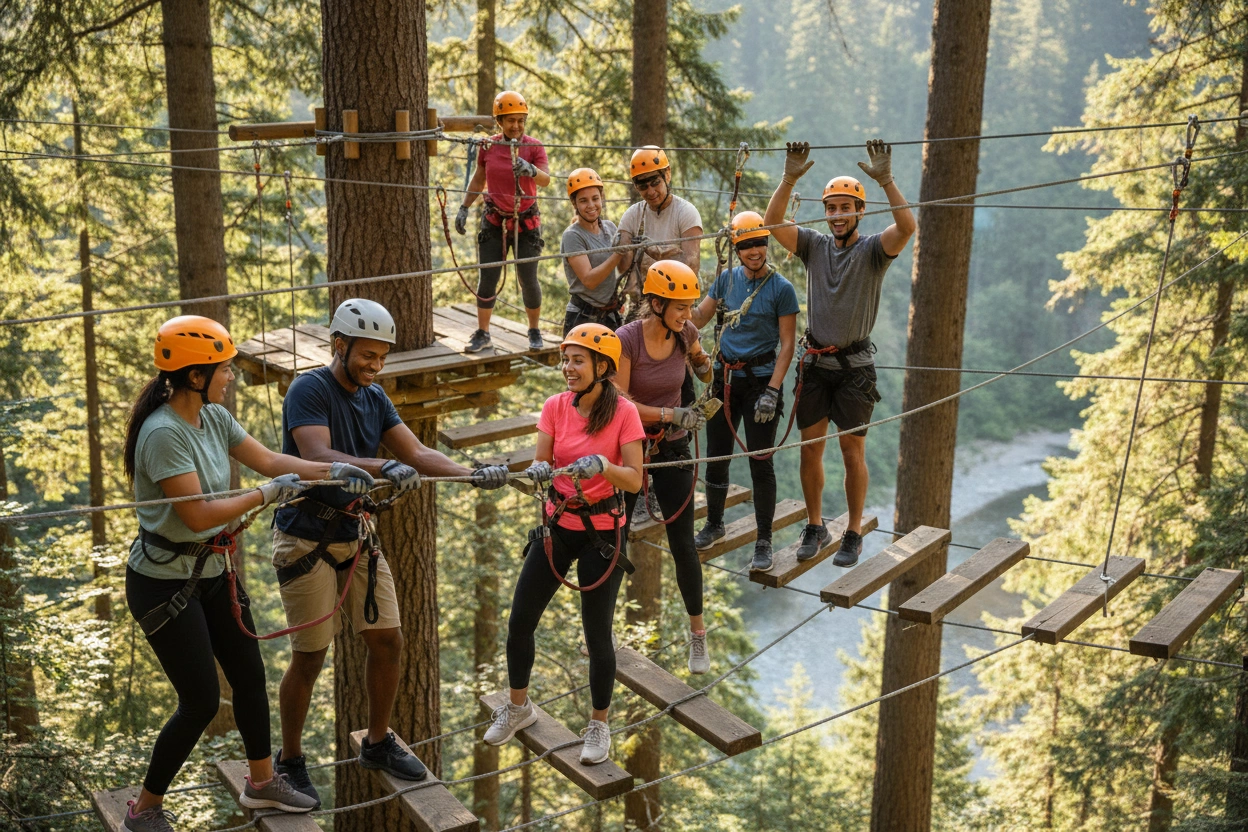
Team building is not merely an HR activity; it is an essential component of a healthy workplace strategy. The benefits of implementing team building exercises extend far beyond just having fun. Here are some core reasons why team building is vital for employee engagement:
Enhanced Communication
Effective communication is the backbone of any successful organization. Team building exercises provide a platform for team members to practice and improve their communication skills. When employees engage in activities designed to promote interaction, they become more comfortable sharing ideas, providing feedback, and collaborating on projects.
Increased Trust and Cohesion
Trust is a crucial element in any team dynamic. Team building activities help to foster relationships among employees, which in turn builds trust. When team members trust each other, they are more likely to share responsibilities, support one another, and work collaboratively towards common goals.
Improved Problem-Solving Skills
Many team building exercises are designed to challenge participants and require them to think critically. By working together to solve problems, team members learn to leverage each other's strengths and develop innovative solutions. This skill is not only essential for team dynamics but is also critical for the overall success of the organization.
Top 10 Effective Team Building Exercises for Remote Teams

As remote work continues to be a prevalent model for many organizations, it is essential to adapt team building exercises to suit this environment. Here are ten effective team building activities that can enhance engagement and collaboration among remote teams:
1. Virtual Escape Rooms
Virtual escape rooms are engaging and interactive, requiring team members to work together to solve puzzles and complete challenges within a set time limit. This activity promotes teamwork and enhances problem-solving skills in a fun and immersive environment.
2. Online Trivia Quizzes
Organizing online trivia quizzes can foster a sense of camaraderie among team members. By dividing the team into smaller groups, employees can compete against each other while learning interesting facts. This activity promotes healthy competition and encourages collaboration.
3. Remote Scavenger Hunts
A remote scavenger hunt encourages creativity and teamwork. Team members can create lists of items to find in their homes and share their findings via video calls. This exercise not only brings a fun element to the workday but also allows team members to learn more about each other's personalities.
4. Virtual Coffee Breaks
Scheduling regular virtual coffee breaks gives employees a chance to unwind and socialize without the pressure of work-related discussions. These informal gatherings can help strengthen relationships and promote open communication among team members.
5. Online Workshops or Classes
Hosting online workshops or classes related to personal interests or professional development can be a great way to engage employees. These sessions allow team members to share their expertise and learn from one another, fostering a culture of continuous improvement.
6. Collaborative Projects
Assigning collaborative projects that require input from multiple team members can enhance teamwork and accountability. By working together towards a common goal, employees can develop a sense of ownership and pride in their contributions.
7. Virtual Team Challenges
Creating friendly competition through virtual team challenges can boost motivation and morale. These challenges can range from fitness goals to creative contests, allowing team members to engage in healthy competition while promoting a sense of community.
8. Storytelling Sessions
Encouraging team members to share personal stories or experiences can foster deeper connections. Storytelling sessions can be conducted during team meetings or as standalone events, allowing employees to learn more about each other beyond their professional roles.
9. Recognition and Appreciation Activities
Implementing recognition programs where team members can acknowledge each other's contributions can significantly boost morale. Virtual shout-outs, appreciation boards, or award ceremonies can create a positive atmosphere that reinforces teamwork.
10. Team Book Club
Starting a team book club can provide an opportunity for employees to engage in discussions outside of work-related topics. Choosing books that promote personal development or industry-related themes can lead to meaningful conversations and shared insights.
Common Misconceptions About Team Building
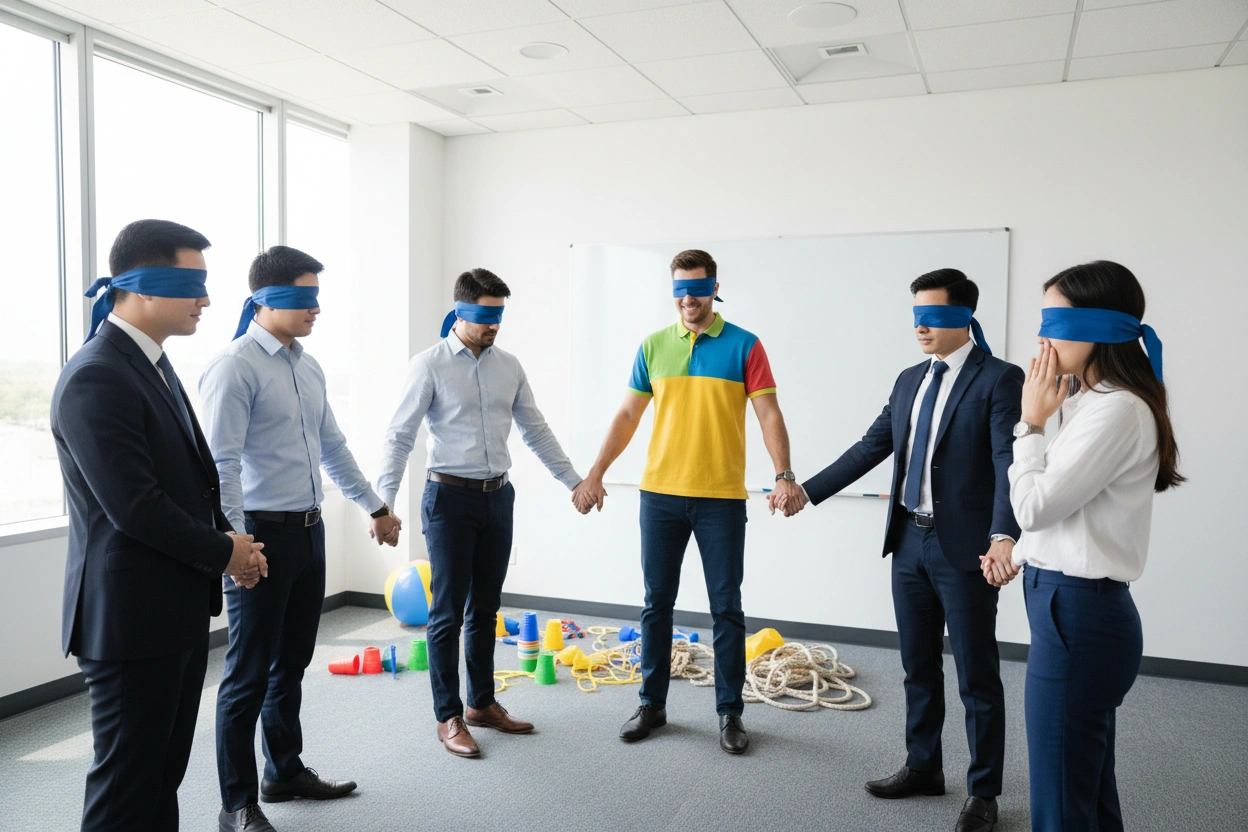
Despite the clear benefits, there are several misconceptions surrounding team building that can hinder its effectiveness. Addressing these misconceptions can help organizations implement more successful team building strategies.
Misconception 1: Team Building is Just for New Teams
Many believe that team building exercises are only necessary for newly formed teams. In reality, ongoing team building is essential for all teams, regardless of their tenure. Regular activities can help maintain relationships and strengthen team dynamics.
Misconception 2: Team Building is a Waste of Time
Some managers may view team building as an unnecessary distraction from work. However, investing time in team building can lead to increased productivity and employee satisfaction, ultimately benefiting the organization.
Misconception 3: One Size Fits All
Not all team building activities will resonate with every team. It is essential to consider the unique dynamics of your team and tailor activities accordingly. Gathering feedback from team members can help identify the most effective exercises.
Actionable Insights for Implementing Team Building
To effectively implement team building exercises, consider the following actionable insights:
Assess Team Needs: Conduct surveys or hold discussions to understand the specific needs and preferences of your team regarding team building activities.
Schedule Regular Activities: Make team building a consistent part of your organizational culture by scheduling regular activities throughout the year.
Encourage Participation: Foster an inclusive environment where all team members feel comfortable participating in team building exercises.
Evaluate Outcomes: After each team building activity, evaluate its effectiveness through feedback and reflection. Use this information to improve future exercises.
Lead by Example: Encourage leaders within the organization to participate in team building activities actively, demonstrating their importance to the entire team.
The Role of Bigfoot Staffing in Team Building Success
Creating an environment conducive to effective team building is crucial for employee engagement and workplace health. At Bigfoot Staffing, we understand the importance of fostering strong team dynamics, particularly in today’s remote work landscape. Our expertise in staffing solutions allows organizations to build teams that not only meet their operational needs but also thrive in collaborative environments.
By prioritizing team building initiatives, companies can enhance employee satisfaction, boost productivity, and reduce turnover rates. Bigfoot Staffing is here to help organizations implement these strategies effectively. Whether you need guidance on team dynamics or support in staffing the right individuals, we provide tailored solutions that align with your goals.
Embrace Team Building for a Healthier Workplace
In conclusion, team building is a fundamental component of employee engagement and workplace wellness. The exercises outlined in this article are designed to enhance collaboration, communication, and trust among team members, especially in remote settings. By actively investing in team building initiatives, organizations can create a more cohesive and motivated workforce.
If you are looking to enhance your team's dynamics and improve engagement, contact Bigfoot Staffing today. Let us assist you in building a strong, collaborative, and engaged workforce that drives your organization forward.


Comments