Boost Employee Retention with Strategic Team Building Initiatives
- Jeremy Nelson
- Jun 20
- 5 min read

In today's competitive workplace, employee retention is a critical challenge for organizations of all sizes. With the rise of remote work, fostering a cohesive and collaborative team environment has never been more important. Effective team building initiatives can not only enhance employee engagement but also significantly improve retention rates. This article will explore strategic team building exercises specifically designed for remote teams, offering actionable insights and detailed examples to help organizations cultivate a thriving workplace culture.
Understanding the Importance of Team Building
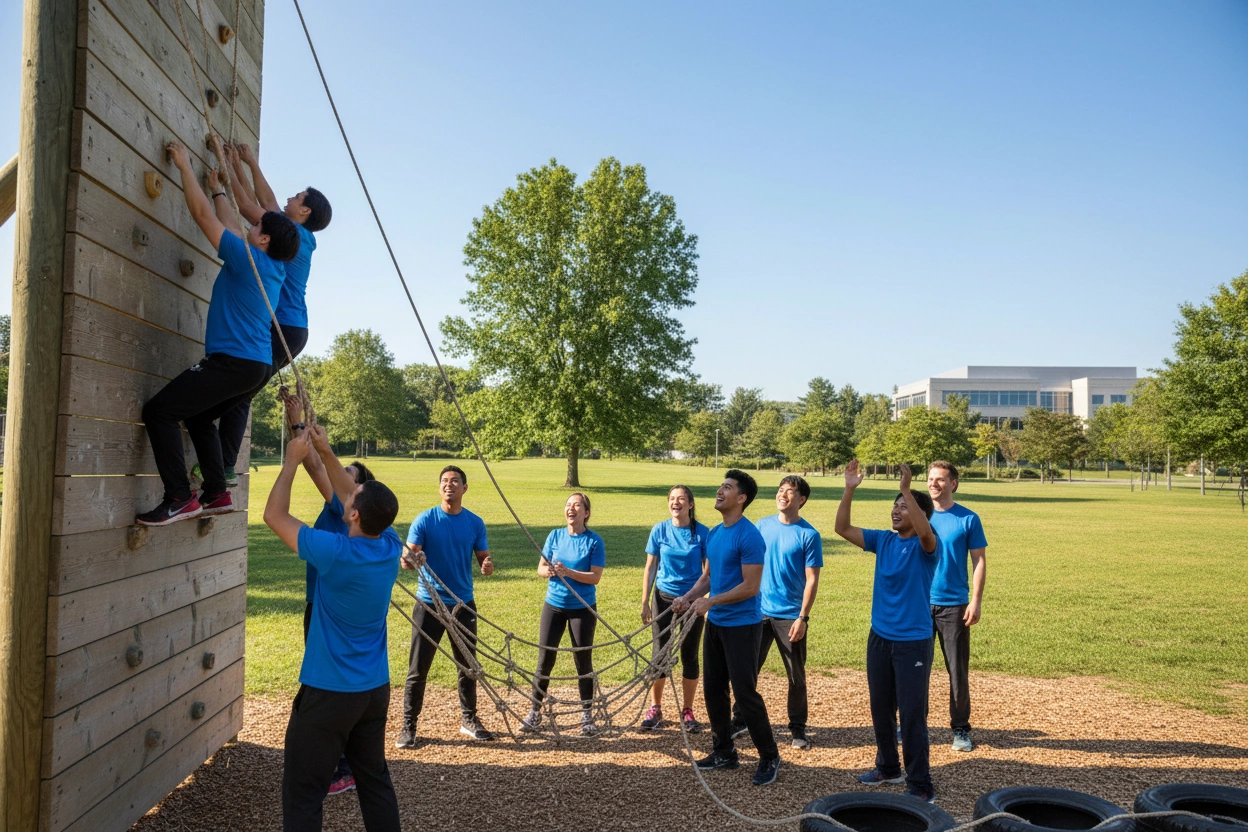
The Role of Team Building in Employee Retention
Team building is more than just an activity; it is a strategic approach to fostering collaboration, enhancing communication, and building trust among team members. When employees feel connected to their colleagues, they are more likely to remain with the company. Research indicates that organizations with strong team dynamics enjoy higher employee satisfaction, which directly correlates with retention rates.
In a remote work environment, the absence of in-person interactions can lead to feelings of isolation among employees. By implementing effective team building initiatives, organizations can bridge this gap, ensuring that employees feel valued and integrated within the company culture. This not only boosts morale but also encourages a sense of belonging, which is fundamental for retention.
Common Misconceptions About Team Building
Despite its importance, many organizations still harbor misconceptions about team building. One prevalent myth is that team building is merely a fun activity with little impact on work performance. In reality, strategic team building initiatives are integral to achieving business goals. They foster effective communication, encourage creative problem-solving, and enhance collaboration among team members. By understanding and dispelling these misconceptions, organizations can better leverage team building to improve employee retention.
Top 10 Effective Team Building Exercises for Remote Teams

Implementing engaging and meaningful team building exercises is essential for remote teams. Below are ten effective activities that can help strengthen relationships and enhance collaboration among team members.
1. Virtual Escape Rooms
Virtual escape rooms require participants to work together to solve puzzles and complete challenges within a time limit. This activity fosters teamwork and enhances problem-solving skills. It encourages employees to communicate effectively, share ideas, and leverage each other's strengths.
2. Online Trivia Competitions
Hosting trivia competitions can be a fun way to engage remote teams while promoting friendly competition. Participants can be divided into groups to answer questions on various topics. This exercise not only fosters collaboration but also helps employees learn more about each other, enhancing personal connections.
3. Weekly Coffee Chats
Establishing regular informal coffee chats can create a relaxed environment for employees to connect. These casual conversations provide an opportunity for team members to share their experiences, discuss challenges, and celebrate achievements, ultimately building rapport and camaraderie.
4. Team Book Club
Creating a virtual book club allows employees to engage in meaningful discussions about selected books. This initiative encourages critical thinking and fosters a shared learning experience. Employees can take turns leading discussions, promoting leadership skills and enhancing team cohesion.
5. Collaborative Online Workshops
Organizing workshops that focus on skill development can be beneficial for both personal and professional growth. These workshops can cover topics such as effective communication, time management, or conflict resolution. Collaborative learning enhances team dynamics and helps employees feel invested in their professional development.
6. Virtual Team Challenges
Implementing team challenges, such as fitness competitions or cooking contests, can promote teamwork while encouraging a healthy lifestyle. Employees can share their progress through social media or group chats, enhancing accountability and motivation.
7. Remote Team Retreats
Although remote, organizations can still host virtual retreats that combine team building with strategic planning. These retreats can include breakout sessions for brainstorming and collaborative discussions, allowing teams to align their goals while strengthening their relationships.
8. Icebreaker Games
Incorporating icebreaker games during virtual meetings can ease tensions and foster a friendly atmosphere. Simple activities like "Two Truths and a Lie" or "Show and Tell" can help team members learn more about each other, promoting personal connections.
9. Recognition Programs
Establishing recognition programs allows team members to acknowledge each other's contributions. Regular shout-outs during team meetings or through internal communication platforms can boost morale and encourage a culture of appreciation.
10. Skill Swap Sessions
Encouraging employees to share their unique skills through virtual workshops can be a fantastic way to foster collaboration. Whether it's teaching a new language, coding skills, or artistic abilities, skill swap sessions enhance team bonding while encouraging personal growth.
Best Practices for Implementing Team Building Initiatives

Tailor Activities to Fit Your Team's Needs
Not every team is the same, and understanding the unique dynamics and preferences of your team is crucial. Conducting surveys or informal discussions can help identify what types of activities resonate most with your employees. Tailoring team building initiatives to fit their interests and needs will ensure higher participation and engagement.
Set Clear Objectives
Before implementing any team building exercise, it is essential to establish clear objectives. Whether the goal is to improve communication, foster collaboration, or enhance problem-solving skills, having a defined purpose will guide the selection of appropriate activities and help measure their effectiveness.
Foster an Inclusive Environment
Creating an inclusive environment is vital for the success of team building initiatives. Ensure that all employees feel comfortable participating, regardless of their remote work setup or personal backgrounds. Encouraging diverse perspectives and participation will enhance the overall experience for everyone involved.
Measure Success and Gather Feedback
After each team building activity, gather feedback from participants to assess its effectiveness. Understanding what worked well and what could be improved will help refine future initiatives. Consider using surveys or informal discussions to collect insights from employees.
Common Mistakes in Team Building and How to Avoid Them
Overlooking Remote Dynamics
One of the most common mistakes organizations make is applying traditional team building strategies without considering the unique dynamics of remote teams. Activities that work well in person may not translate effectively to a virtual environment. It is essential to adapt exercises to suit remote settings, ensuring they are engaging and relevant.
Failing to Follow Up
After conducting team building initiatives, organizations often overlook the importance of follow-up. Without reinforcing the lessons learned or building on the connections made, the impact of these activities may diminish. Regularly revisit the goals and outcomes of team building efforts to maintain momentum and engagement.
Neglecting Participation
Another mistake is failing to encourage full participation. When team members do not feel compelled to join in, the effectiveness of the initiatives diminishes. Leaders should actively promote team building activities, emphasizing their importance and creating an atmosphere of excitement around participation.
The Strategic Role of Team Building in Employee Retention
Team building initiatives are not simply an added benefit; they are a strategic necessity for organizations aiming to boost employee retention. By cultivating a collaborative environment where employees feel connected, valued, and engaged, companies can significantly reduce turnover rates.
Implementing effective team building exercises tailored to remote teams can enhance communication, foster trust, and promote a sense of belonging. As organizations navigate the complexities of the modern workplace, prioritizing team building initiatives will be key to retaining top talent and achieving long-term success.
Enhancing Team Building Through Bigfoot Staffing
The integration of strategic team building initiatives is crucial for enhancing employee retention and overall workplace satisfaction. Bigfoot Staffing understands the importance of fostering a collaborative environment and can assist organizations in implementing effective team building strategies tailored to their unique needs.
By leveraging our expertise in staffing and workforce management, we can help you create a thriving workplace culture that promotes employee engagement and retention.
If you are ready to transform your team dynamics and boost employee retention through strategic team building initiatives, contact Bigfoot Staffing today. Together, we can create a more connected and engaged workforce that drives success.


Comments